







What Is Iodine and Why Do We Need It?
Iodine is a trace element that is vital for human health. Its primary and most well-known role is as an essential component of thyroid hormones, specifically thyroxine (T4) and triiodothyronine (T3). These hormones are the master regulators of your body's
metabolism, controlling how quickly your body uses energy. They influence everything from your heart rate and body temperature to protein synthesis. Beyond metabolism, adequate iodine is crucial for brain development, particularly in foetuses and infants, making it a nutrient of significant public health importance. A healthy adult typically has about 15-20 mg of iodine in their body, with the majority stored in the thyroid gland.
The Silent Signs of a Deficiency
When the body doesn't get enough iodine, it can't produce sufficient thyroid hormones. This condition is known as hypothyroidism, or an underactive thyroid. One of the most visible signs is a goitre, which is a swelling of the thyroid gland in the neck as it works overtime to capture whatever little iodine it can find. Other, more subtle symptoms can easily be mistaken for general fatigue or stress. These include unexpected weight gain, persistent tiredness and weakness, increased sensitivity to cold, dry and flaky skin, hair loss, and even cognitive issues like confusion or trouble remembering things. For pregnant women, a deficiency can increase the risk of more severe complications, impacting the baby's growth and brain development.
India's Journey with Iodine
India has a long history of addressing iodine deficiency, which was once widespread due to low iodine levels in the soil in many regions. Realising the scale of the issue, the Government of India launched the National Goitre Control Programme in 1962, which was later renamed the National Iodine Deficiency Disorders Control Programme (NIDDCP) in 1992 to reflect the wider spectrum of health issues involved. The core strategy has been Universal Salt Iodisation (USI), which aims to ensure all edible salt is fortified with iodine. This public health initiative has been largely successful, with a vast majority of households in India now using iodized salt. However, continued awareness is vital to ensure these gains are maintained.
Finding Iodine on Your Plate
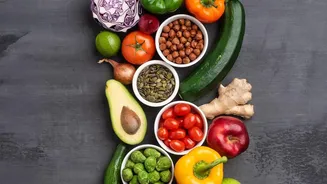
While iodized salt is a primary source for many, several foods naturally contain this essential mineral. For non-vegetarians, seafood is an excellent source; fish like mackerel and cod, as well as shrimp, are rich in iodine. Dairy products are another major contributor. A glass of milk or a bowl of curd (yoghurt) can provide a significant amount of your daily needs. Eggs, particularly the yolk, are also a good and widely available source. For those on a plant-based diet, options include certain vegetables like potatoes and spinach, though amounts can vary. Dried prunes have also been noted as a good vegetarian source of iodine. Seaweed is exceptionally rich in iodine but should be consumed in moderation to avoid excessive intake.
The Role of Iodized Salt
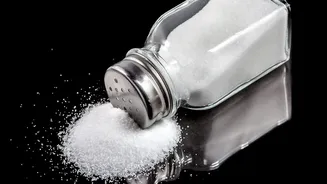
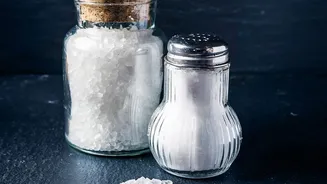
For decades, iodized salt has been the cornerstone of preventing deficiency in India and globally. It's a simple, effective, and inexpensive way to ensure adequate daily intake. The standard for iodized salt requires a minimum iodine content at both the production and consumption levels to account for any loss during transport and storage. When buying salt, check the packaging to ensure it is 'iodized'. To preserve the iodine content, it's often recommended to store salt in an airtight container away from direct sunlight and to add it towards the end of the cooking process, as high heat can cause some iodine to be lost.
Can You Have Too Much Iodine?
While deficiency is a concern, it's also possible to consume too much iodine, which can be harmful. The recommended daily allowance for most adults is around 150 micrograms (mcg). Consuming excessively high doses, often from certain supplements like kelp tablets, can disrupt normal thyroid function. This can paradoxically lead to some of the same symptoms as deficiency, such as goitre, hypothyroidism, or even an overactive thyroid (hyperthyroidism). For most people, getting iodine from a balanced diet, including iodized salt, is safe and unlikely to cause problems. However, individuals with pre-existing thyroid conditions may be more sensitive to high iodine intake.