





It’s a familiar story: you buy a bag of beautiful, firm root vegetables, only for them to turn soft, sprout alien-like limbs, or go bad before you can use them. But an old-school trick from Indian kitchens offers a surprisingly effective solution.
The Age-Old Pantry Problem
Winter
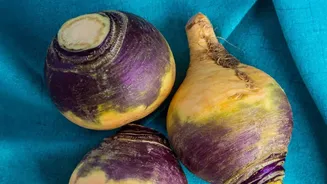
root vegetables like potatoes, carrots, beets, and turnips are staples of cold-weather cooking. They’re hearty, nutritious, and versatile, but their shelf life can be frustratingly short. Stored incorrectly, they quickly lose their crisp texture and earthy flavor. The main culprits are excess moisture, which encourages rot and mold, and exposure to light, which can cause potatoes to turn green and develop bitter compounds. This often leads to food waste, forcing home cooks to toss out produce that was perfectly good just days before. While a traditional root cellar provides the ideal cool, dark, and humid environment, most modern homes don't have one, leaving us to contend with the less-than-ideal conditions of a kitchen pantry or refrigerator.
A Low-Tech Solution from Indian Kitchens
In many Indian households, where preserving produce is a deeply ingrained practice, a simple and resourceful technique has been passed down through generations: wrapping vegetables in newspaper. This method is particularly useful for root vegetables and was born from the necessity of making fresh produce last without relying on refrigeration. The newspaper acts as a protective barrier, creating a micro-environment that addresses the two main enemies of root vegetable storage. It’s a zero-cost, sustainable hack that mimics the conditions of a root cellar, using a material that would otherwise be discarded.
The Science Behind the Wrap
The genius of the newspaper wrap lies in its ability to manage moisture and light. Paper is porous and absorbent, so it wicks away excess moisture that vegetables release, preventing the damp conditions where rot thrives. Unlike a plastic bag, which traps moisture and accelerates decay, the newspaper allows the vegetables to breathe. At the same time, the dense, opaque layers of paper block out light. This is crucial for potatoes, as light exposure triggers the production of chlorophyll (which turns them green) and solanine, a bitter compound that can be harmful in large quantities. By creating a dark, dry, and breathable cocoon, the newspaper effectively puts the vegetables into a state of hibernation, slowing down the processes that lead to spoilage and sprouting.
How to Use the Newspaper Method
Getting started is simple, but a few details are key to success. First, ensure your vegetables are completely dry; do not wash them before storing. Any surface moisture will be trapped by the paper and can lead to mold. Brush off any excess dirt. Next, take one vegetable at a time and wrap it individually in a sheet or two of newspaper. Don't wrap them too tightly, as some air circulation is good. Once wrapped, place the vegetables in a cool, dark, and dry place like a pantry, a cupboard, or a basket in a cool corner of the kitchen. Avoid storing wrapped potatoes next to onions, as onions release gases that can accelerate potato sprouting.
Which Vegetables Benefit Most?
This technique works wonders for a variety of firm, dense vegetables. It is especially effective for:
- Potatoes and Sweet Potatoes:
Keeping them in the dark is essential to prevent sprouting and greening.
- Beets,
Turnips,
and Radishes:
The paper absorbs excess moisture that would otherwise make them soft or rubbery.
Make sure to trim off any leafy greens first,
as they pull moisture from the root.
- Carrots and Parsnips:
Like beets,
they stay firmer for longer when protected from moisture loss and humidity.
This method is not suitable for vegetables that need more air circulation,
such as onions and garlic,
or those with high water content like leafy greens,
which have their own specific storage needs.
A Note on Newspaper Ink Safety
A common concern is whether the ink from the newspaper can transfer to the food. While this is a valid question,
the risk has decreased significantly with modern printing.
Most newspapers in the United States now use soy-
based or other non-
toxic inks,
which are much safer than the petroleum-
based inks of the past.
However,
food safety authorities in India and elsewhere have warned against using newspaper for direct contact with hot or oily foods,
as heat can cause chemicals to migrate.
Since root vegetables are dry and stored in cool conditions,
the risk of ink transfer is low.
For those who remain concerned,
a safe alternative is to use unprinted newsprint or plain paper bags,
which offer the same moisture-
absorbing and light-
blocking benefits without any ink.