


The Rhythmic Release of Dance
Dance is an expressive and often high-energy outlet for stress. Whether it's a structured Zumba class, traditional Bharatanatyam, or simply moving to music in your living room, dance offers a powerful emotional and physical release. The core benefit comes
from its combination of physical exertion, music, and emotional expression. This trio works to boost endorphins, the brain’s 'feel-good' chemicals, which naturally elevate mood and reduce pain. Simultaneously, dance helps lower cortisol, the body's primary stress hormone. The focus required to learn steps and move in time with a beat provides a form of active mindfulness, pulling your attention away from daily worries and into the present moment.
The Mindful Stillness of Yoga
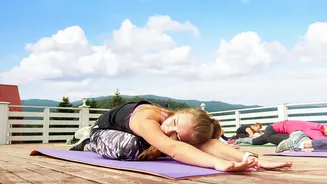
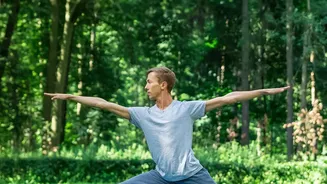
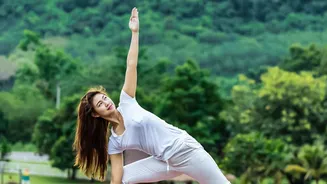
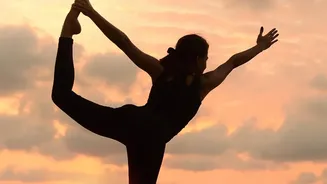
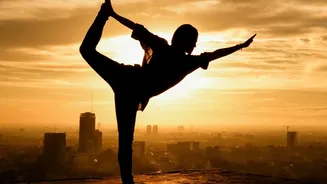
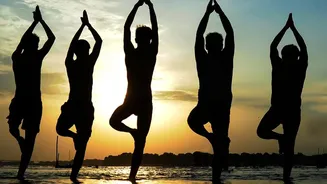
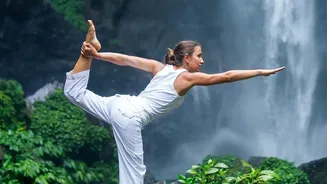
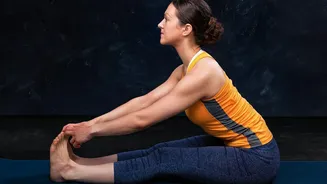
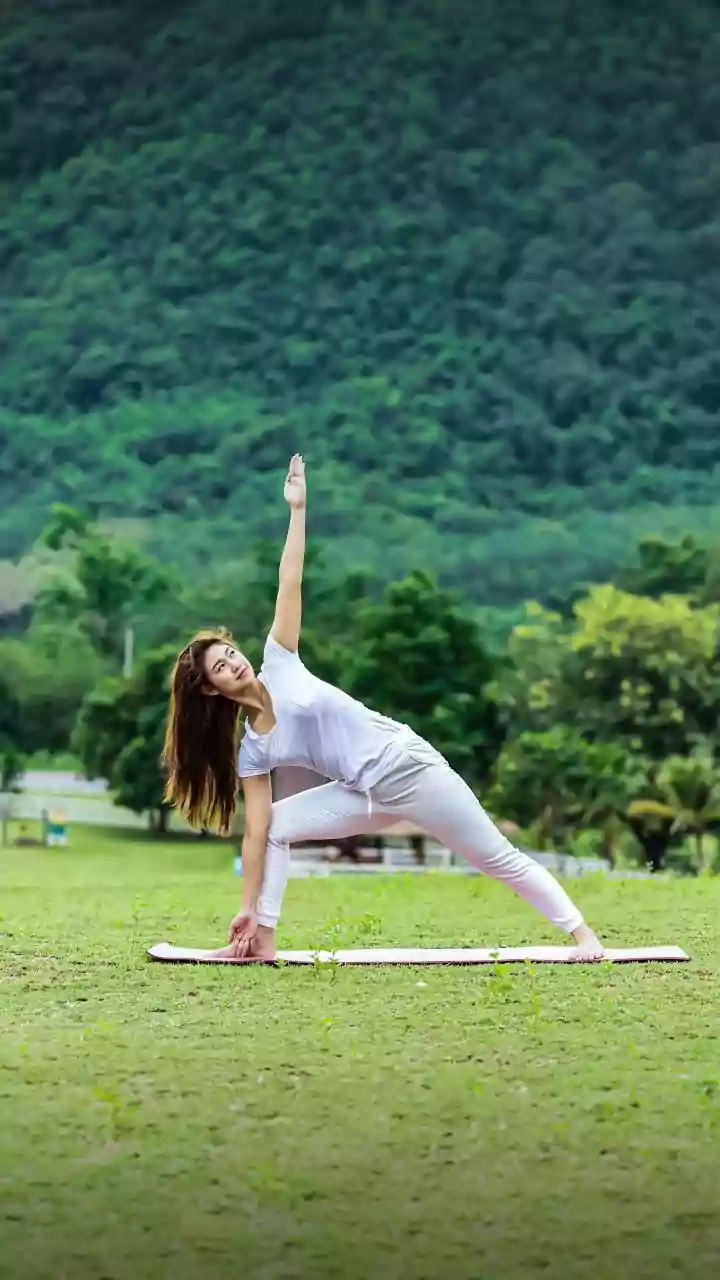
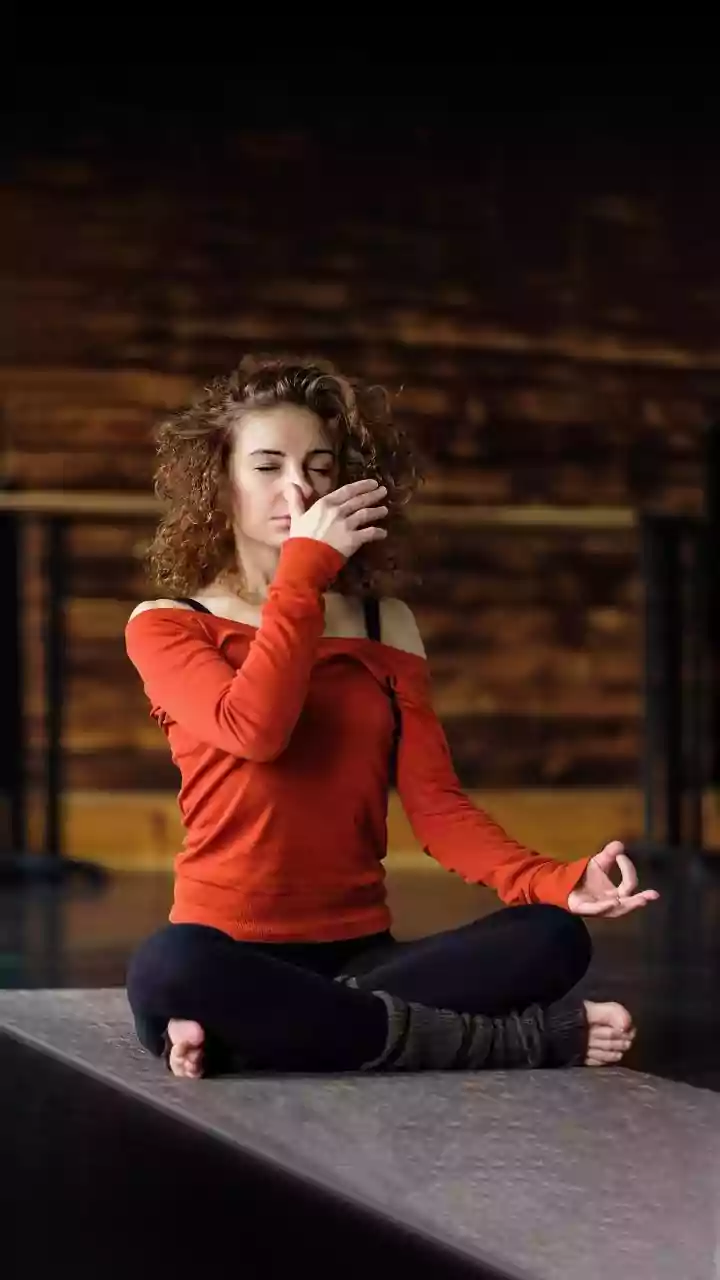
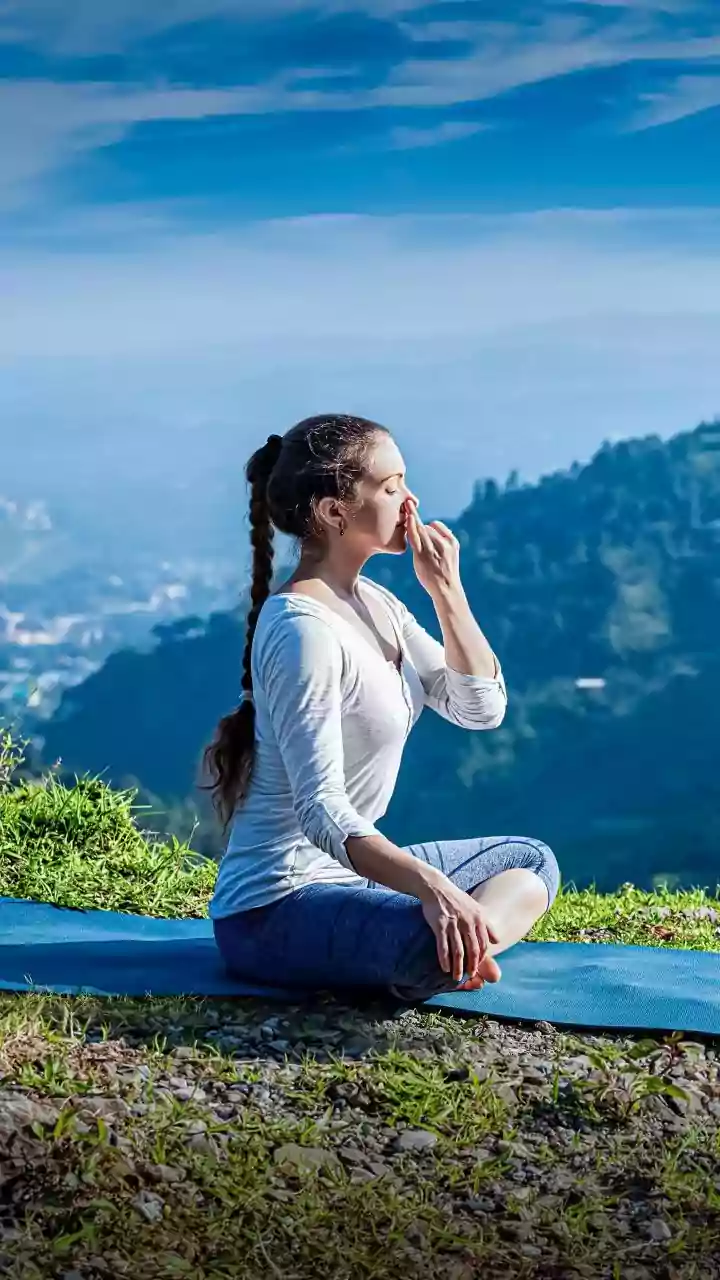
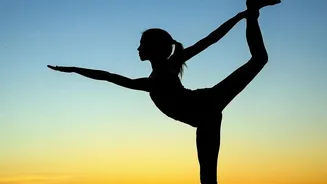
Yoga approaches stress management from a foundation of mindful awareness and breath. The practice combines physical postures (asanas) with controlled breathing techniques (pranayama) and meditation. This approach is designed to calm the nervous system directly. Pranayama techniques, such as alternate nostril breathing or deep belly breathing, activate the parasympathetic nervous system, which is the body's 'rest and digest' state. This activation slows the heart rate, reduces blood pressure, and signals to the body that it's safe to relax. Studies have shown that a regular yoga practice can lead to a statistically significant reduction in perceived stress by regulating these physiological responses.
Physical Intensity and Demands
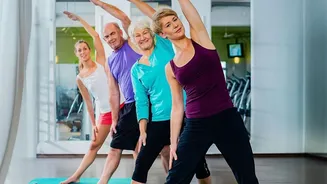
When it comes to physical exertion, dance often provides a more intense cardiovascular workout. High-energy styles like Bhangra, Salsa, or Zumba are excellent for improving aerobic fitness and burning calories. This makes dance a great choice if your goal is to combine stress relief with a vigorous, heart-pumping workout. Yoga, on the other hand, is highly adaptable. While a fast-paced Vinyasa or Ashtanga class can be physically demanding, other forms like Hatha or Yin yoga are slower and focus more on flexibility, balance, and holding poses. This versatility allows you to choose a practice that matches your energy level on any given day, from a challenging workout to a gentle, restorative session.
Mental and Emotional Landscape
The mental benefits of dance and yoga differ significantly. Dance is often about 'letting go'. It offers an outlet for emotional expression, allowing you to physically channel feelings of joy, frustration, or energy in a constructive way. The social aspect of group classes can also foster a sense of community and connection, which is a powerful buffer against stress. Yoga, conversely, is typically more introspective. It encourages you to 'tune in' to your body and mind, observing thoughts and sensations without judgment. This practice of mindfulness helps build resilience over time, allowing you to manage stressful situations with greater calm and clarity long after you've left the mat.
Which Is the Right Choice for You?
Choosing between yoga and dance depends entirely on your personality and what you need most for your well-being. If you are an extrovert who finds energy and release in music, social interaction, and expressive movement, dance may be the more fulfilling option. It is ideal for those who want to sweat out their stress and feel an immediate mood lift from an energetic activity. If you are seeking a quieter, more introspective practice to calm a racing mind and build long-term mental resilience, yoga is likely a better fit. It suits those who want to develop a deeper mind-body connection and learn tools for managing stress both on and off the mat.