



Beyond the Eyepiece
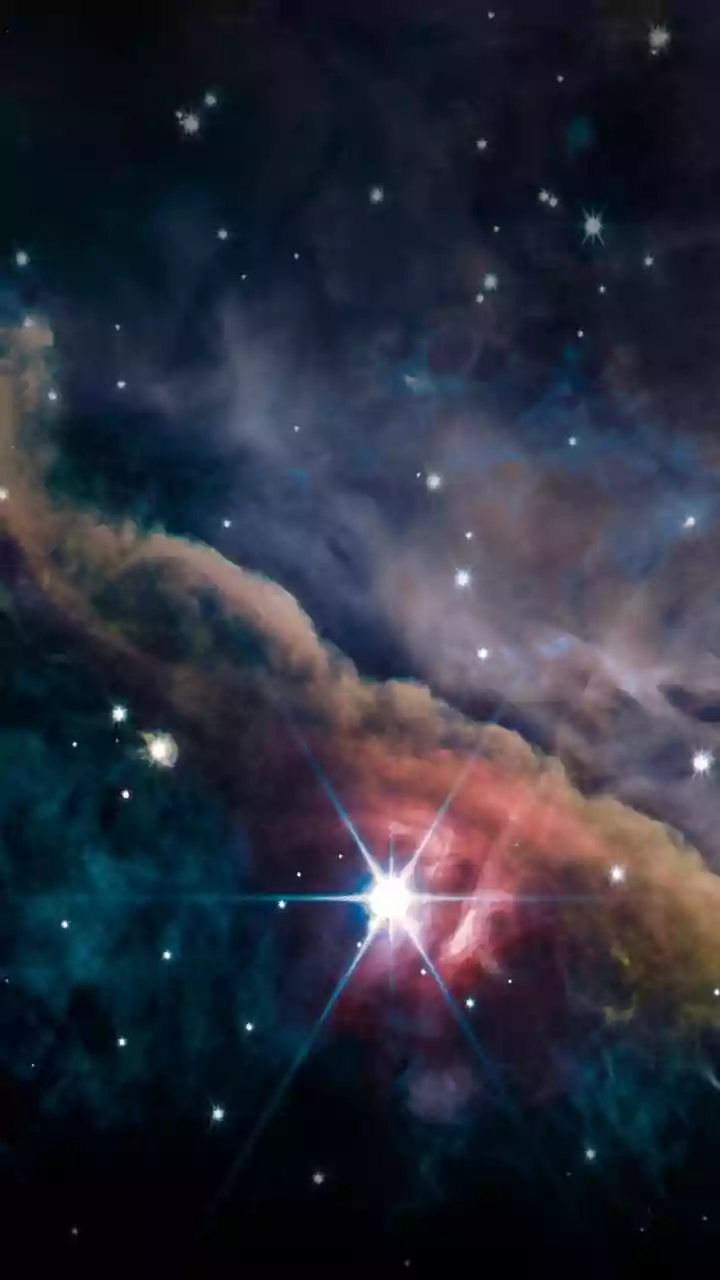
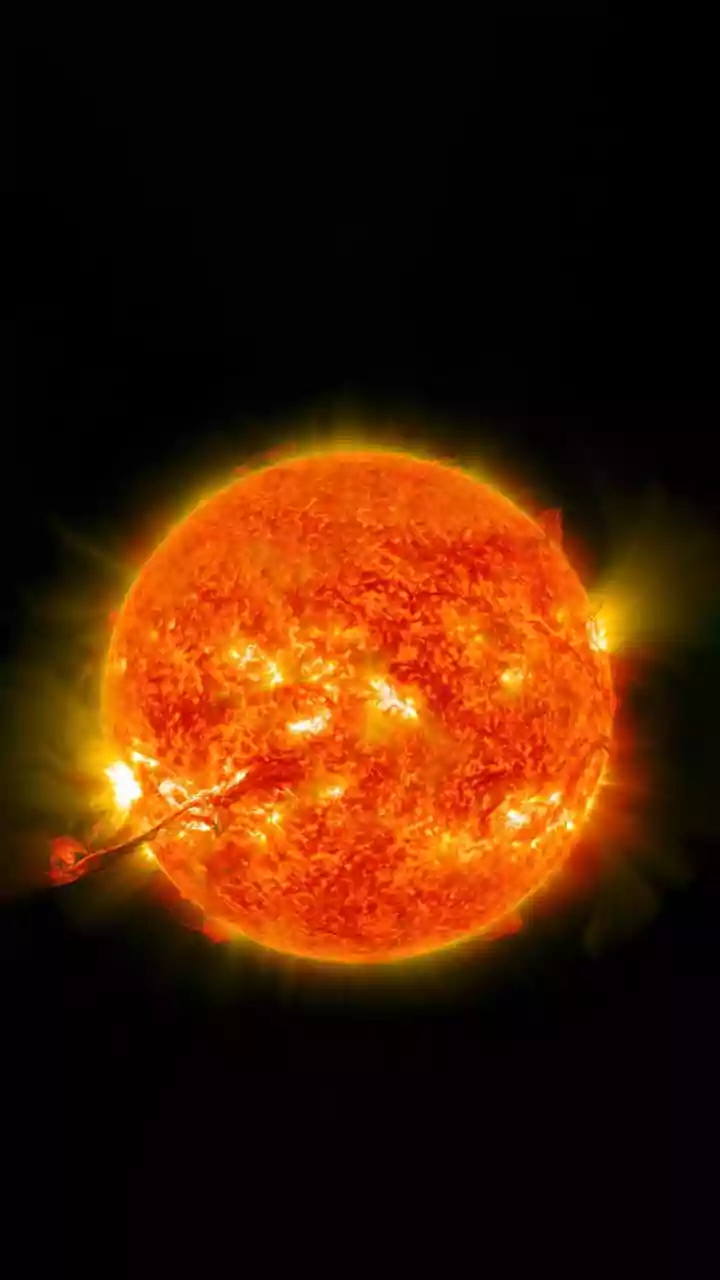
The classic image of an astronomer is someone glued to a telescope, peering into the silent depths of space. For most of its history, astronomy has been a profoundly visual science. We rely on breathtaking images from telescopes like Hubble and the James
Webb Space Telescope to understand the universe. But what if we could experience the cosmos with more than just our eyes? This is the central idea behind multi-sensory astronomy, a rapidly growing field that translates complex astronomical data into sound and physical forms. It challenges the visual bias of science and proposes that a richer understanding of the universe can be achieved by engaging our other senses. This is not just a novelty; it represents a fundamental shift in how scientific data is analyzed, interpreted, and shared.
The Sound of the Cosmos
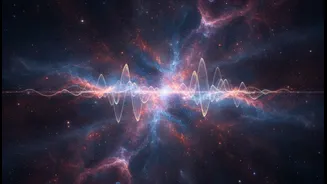
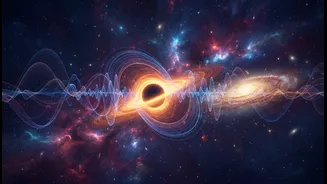
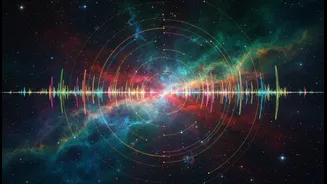
The most prominent frontier in this new phase is 'data sonification'. This is the process of converting data into non-speech sound. Think of it like a musical score written by the stars. Scientists take data points from celestial objects—such as the brightness, frequency, or position of light—and map them to audible properties like pitch, volume, and duration. NASA has been a pioneer in this area, releasing hauntingly beautiful sonifications of cosmic phenomena. You can now listen to the ripples in the gas surrounding the supermassive black hole in the Perseus galaxy cluster or hear the distinct notes created by different wavelengths of light from the center of our Milky Way. These audio creations aren't just for public outreach; they serve a real scientific purpose. The human ear is exceptionally good at detecting patterns, changes, and anomalies over time, sometimes more effectively than the human eye.
A Universe in Your Hands
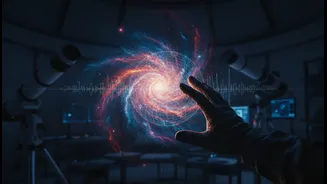
Alongside sound, touch is becoming another vital tool for cosmic exploration. Using advanced 3D printing technology, astronomers are creating tactile models of celestial objects. Imagine holding a spiral galaxy in your hand or tracing the complex structures of a stellar nursery with your fingertips. Projects like 'The Tactile Universe' are producing detailed 3D prints of galaxies, nebulae, and supernova remnants. These models convert astronomical data, such as light intensity, into physical height maps. Brighter parts of an image become taller, while darker areas remain lower, creating a textured surface that conveys scientific information through touch. This allows for a different kind of spatial understanding, making abstract concepts like the structure of a star system or the aftermath of a stellar explosion tangible and intuitive.
Opening Up the Stars
Perhaps the most significant impact of multi-sensory astronomy is its role in making the field more inclusive. For people who are blind or have low vision, the traditionally visual nature of astronomy has been a major barrier. Sonification and tactile models are changing that. These tools provide alternative, non-visual ways to access and analyze astronomical data, opening up pathways for research and education that were previously inaccessible. Blind astronomers like Dr. Wanda Díaz-Merced have championed the use of sonification, demonstrating that it's a valid and powerful method for scientific analysis, leading to new discoveries. This shift is not just about adapting existing materials; it's about fundamentally redesigning scientific practice to be inclusive from the ground up, benefiting everyone by providing multiple ways to engage with the data.
A New Frontier for Discovery
The multi-sensory approach is more than just a tool for accessibility or a novel way to present data; it is a new frontier for discovery. By combining visual, auditory, and tactile information, scientists can gain a more holistic understanding of complex systems. The human brain is wired to process sensory input, and our ability to notice subtle changes in sound, like the 'cocktail party effect' where we can focus on one voice in a noisy room, has direct applications in data analysis. This method can help researchers identify faint signals buried in noisy datasets that might be missed by visual inspection alone. As datasets in astronomy become ever larger and more complex, having a full suite of sensory tools will be crucial for making the next great discoveries and truly comprehending our place in the cosmos.