





The End of an Era for the ISS
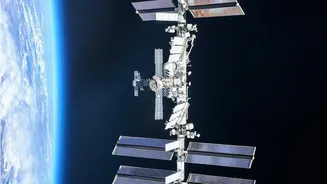
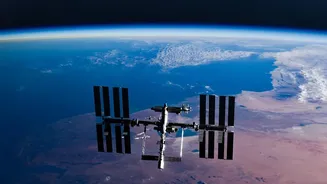
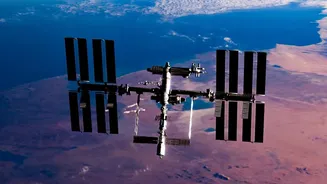
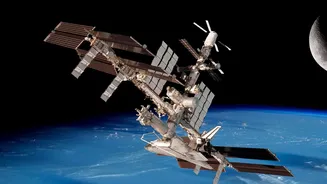
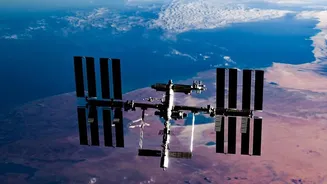
The International Space Station stands as one of the greatest engineering feats in human history, a football-field-sized laboratory that has hosted nearly 300 astronauts from 26 countries. But after decades of service, the station is showing its age.
Originally designed for a 15-year lifespan, its operation has been extended, but structural fatigue and rising maintenance costs, which run NASA about $3 billion a year, make its continued use unsustainable beyond 2030. NASA and its international partners are planning for a controlled deorbit, guiding the massive structure to a remote patch of the Pacific Ocean. This retirement marks not an end to human presence in low Earth orbit (LEO), but a fundamental transition.
NASA's Pivot from Operator to Customer
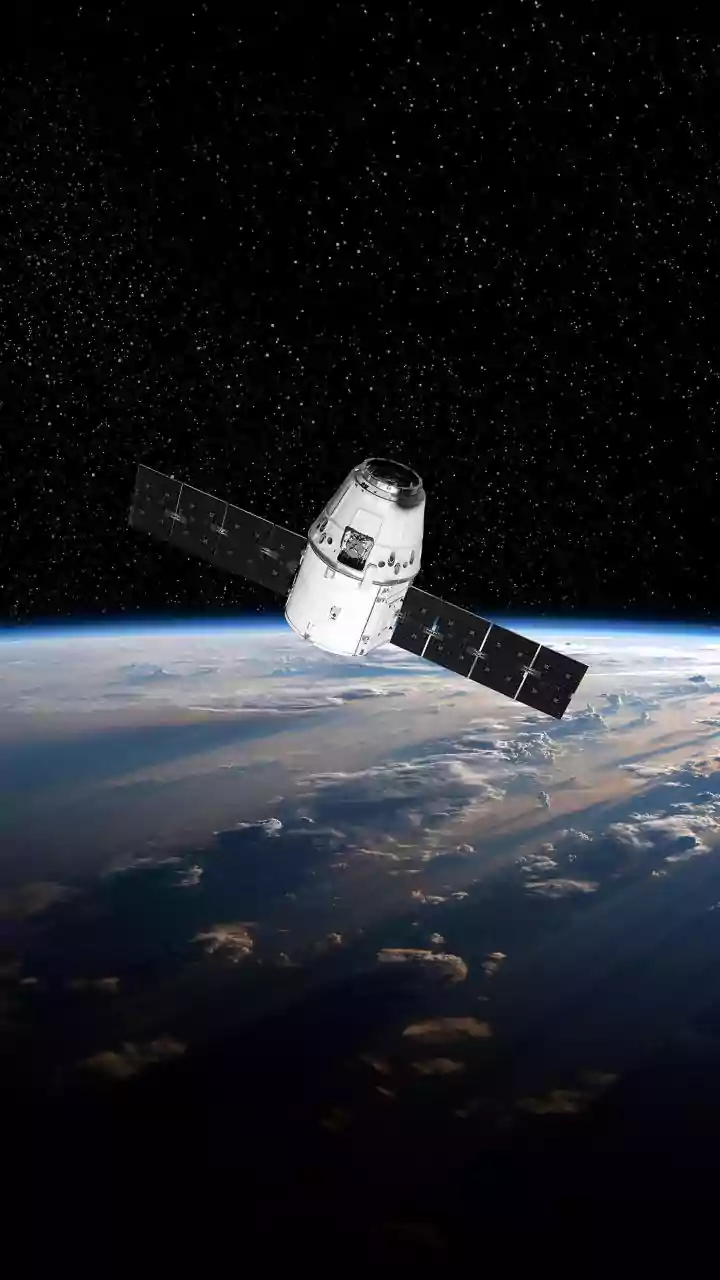
Instead of building a successor, NASA is spearheading a different strategy: it wants to become just one of many customers in a new LEO economy. Through its Commercial LEO Destinations (CLD) program, the agency is actively funding and supporting private companies to design, build, and operate their own space stations. This model mirrors the success of its commercial cargo and crew programs, which used companies like SpaceX to ferry supplies and astronauts to the ISS, reducing costs and spurring innovation. By becoming an anchor tenant rather than an owner, NASA can free up government resources to focus on deep space exploration missions like the Artemis program to the Moon and beyond, while ensuring a continuous platform for its research needs in orbit.
The New Contenders in the Commercial Space Race
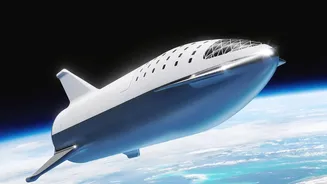
A dynamic field of aerospace companies is racing to build the next generation of orbital habitats. Axiom Space is a prominent player, with plans to attach its first module to the ISS in the coming years before detaching to become a free-flying station. Another major venture is Orbital Reef, a self-described "mixed-use business park" in space led by Blue Origin and Sierra Space. Sierra Space is developing the inflatable LIFE habitat, a revolutionary design that launches in a compact state and expands in orbit to offer significant volume for work and living. Other key contenders include Vast, which aims to launch its Haven-1 station as soon as 2027, and Starlab, a joint venture between Voyager Space and Airbus. Each is developing unique designs and business models to serve a diverse market.
The Economic Case for Private Stations
The shift to commercial habitats is fundamentally an economic one. The global space economy is projected to grow massively, potentially reaching over $1.8 trillion by 2035. Private companies believe they can operate more efficiently than government agencies, driving down costs for access to space. These new stations are not just for government astronauts. Their business models envision a wide range of customers, including foreign countries wanting their own astronaut programs, private companies conducting research, in-space manufacturing of unique materials like fiber optics or pharmaceuticals, and even space tourism. By diversifying their revenue streams, these commercial operators aim to create a self-sustaining economy in LEO that doesn't rely solely on government contracts.
A New Frontier for Science and Innovation
Commercial stations promise to democratize access to the unique environment of microgravity. The persistent weightlessness in orbit allows for breakthroughs in areas like regenerative medicine, crop science, and materials science that are impossible on Earth. Commercial platforms are being designed from the ground up to support these activities. For example, the Orbital Reef concept includes a dedicated science park for research and development. By providing more frequent and affordable access to space, these private habitats will enable a new wave of innovation, allowing more scientists and engineers to conduct experiments that could lead to transformative technologies and a better understanding of our world.