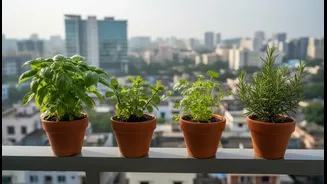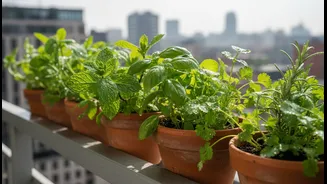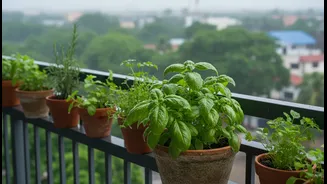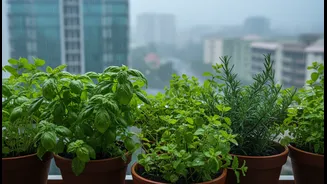





Why This Season is Your Garden's Best Friend
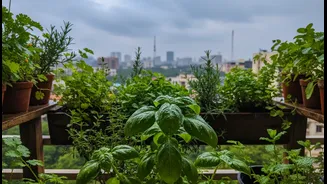
The monsoon offers a unique advantage for gardening. The cooler temperatures, higher humidity, and naturally soft rainwater create a nurturing environment for plants. This combination helps seeds germinate faster and saplings establish strong roots with
less stress than in the dry summer months. The air is cleaner, the soil stays moist longer, and you don’t have to worry about the daily watering grind. For herbs, many of which thrive in these conditions, this season is a powerful growth booster. It’s nature doing half the work for you, making it the perfect time for beginners to finally get their hands dirty.
Setting Up for Monsoon Success
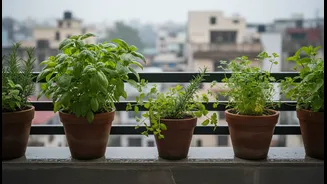
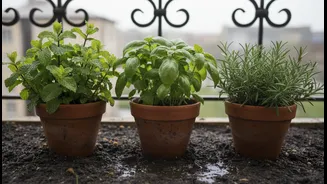
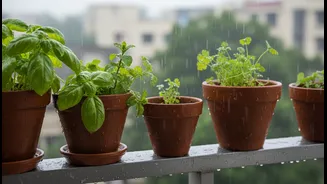
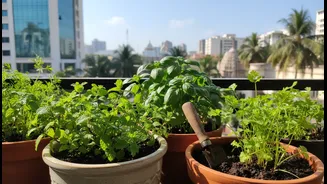
Success starts with the right setup, and for monsoon gardening, it’s all about drainage. Heavy rains can quickly lead to waterlogged pots, which causes root rot—the number one killer of balcony plants. Start by choosing pots with plenty of drainage holes. Terracotta or earthen pots are excellent as they are porous, but any pot will do as long as water can escape. A smart trick is to elevate your pots on stands or bricks to ensure water doesn't pool at the bottom. For your soil, avoid heavy garden soil which compacts easily. Instead, use a light, well-draining potting mix. A combination of garden soil, compost, and cocopeat (about a 1:1:1 ratio) provides both nutrients and excellent drainage.
The Essential Monsoon Herb Trio
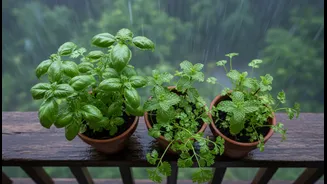
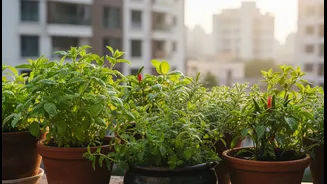
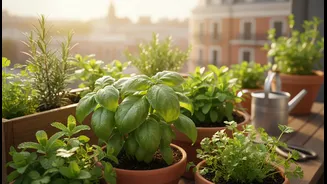
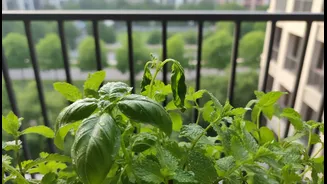
Instead of getting overwhelmed, start with a few reliable herbs that love Bengaluru's rainy season. First is Tulsi (Holy Basil), a staple in many Indian homes. It thrives in the monsoon humidity but needs protection from heavy downpours which can damage its leaves. Second, Mint (Pudina) is practically foolproof. It loves moisture and grows aggressively, so it’s best to give it its own pot to prevent it from taking over. Keep it in a spot that gets some morning sun. Third is Coriander (Dhania). This one can be a little tricky. It grows fast in the rain but its delicate stems can be battered by strong showers. Plant seeds in a wide, shallow pot and consider keeping it in a partially sheltered spot where it still gets light but is safe from the heaviest rain.
Expanding Your Herbal Collection
Once you have the basics down, consider adding a few more useful herbs. Lemongrass is a fragrant, tall grass that loves water and sun, making it a great addition for a sunny corner of the balcony. Its citrusy aroma is a delight, especially on a rainy day. Ginger is another excellent choice for monsoon planting. Simply plant a piece of the rhizome in a large pot or grow bag, and it will slowly but steadily grow throughout the season. Finally, Curry Leaves are a must for South Indian cooking. The plant is resilient and benefits from the regular watering the monsoon provides, though it prefers a spot with full sun.
Rainy Day Care and Pest Patrol
During the monsoon, your main job is not watering, but monitoring. Always check the soil before you water; if the top inch feels moist, leave it alone. Overwatering is a common mistake. The high humidity can also invite unwanted guests like fungal diseases (powdery mildew) and pests like aphids and mealybugs. To prevent this, ensure there is good air circulation between your pots. Prune your herbs regularly by snipping off leaves for your kitchen—this encourages bushier growth and improves airflow. For pests, a simple weekly spray of diluted neem oil can act as an effective and organic deterrent.