





A First-of-its-Kind Ecological Audit
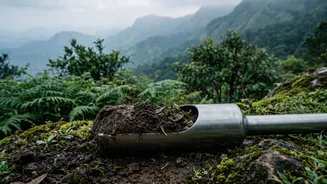
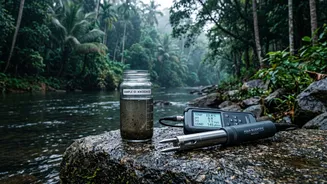
In a landmark move, the Kerala State Biodiversity Board (KSBB) has launched the state's first-ever Red List Assessment of Ecosystems. Unlike traditional conservation efforts that focus on single species, this ambitious one-year project evaluates the collapse
risk of entire ecosystems across all 14 districts. Led by local research institutes, the assessment uses the rigorous framework of the International Union for Conservation of Nature (IUCN) to scientifically measure the health of forests, rivers, and coastal habitats. The goal is to shift from reactive species protection to a proactive strategy that manages and restores whole landscapes, creating a vital baseline for future environmental planning.
An Alarming Decline in Forest Cover
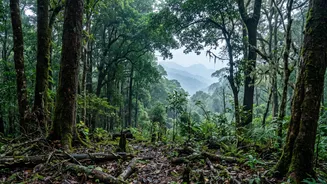
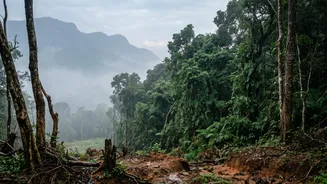
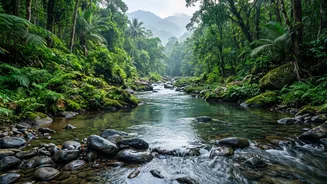
The most sobering data point to emerge is the staggering loss of native forests. Tropical riparian evergreen forests, which line the riverbanks in the southern Western Ghats, have shrunk by a devastating 83% over the last century. Experts warn these critical ecosystems are now considered 'Critically Endangered' under IUCN criteria and could face total collapse within 20 to 40 years. The primary drivers of this destruction include widespread deforestation for agriculture, dam construction, the spread of invasive plantation species, and the escalating pressures of climate change. This loss not only jeopardises wildlife but also weakens natural defences against floods and landslides.
Threats Beneath the Surface
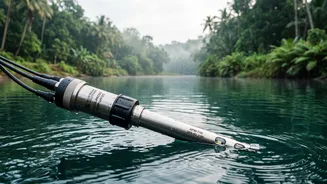
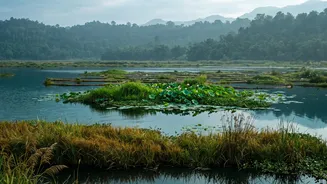
The survey also highlights growing dangers in Kerala’s famed backwaters and aquatic ecosystems. A recent policy brief submitted to the government noted that 32 alien invasive species have been documented in the state's inland waters, including 28 species of fish. The Mozambique tilapia, for example, is now found in all 44 rivers. These non-native species outcompete local fauna, disrupt the food web, and degrade water quality. The popular 'Miss Kerala' fish is now on the verge of extinction due to over-exploitation for the ornamental pet trade, while other species like the Deccan Mahseer face threats from pollution and sand mining.
The Western Ghats Under Pressure
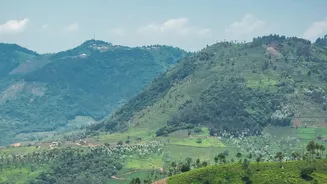
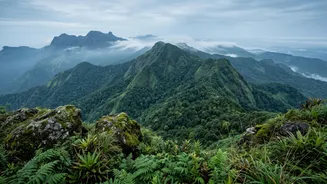
As one of the world's eight 'hottest hotspots' of biological diversity, the health of the Western Ghats is a global concern. This mountain range, a UNESCO World Heritage site, is home to thousands of plant and animal species, many of which are found nowhere else on Earth. The new assessment places a special focus on these high-altitude shola-grassland mosaics and unique Myristica swamps. However, these areas are not immune to the pressures of habitat fragmentation, climate-driven weather events, and human encroachment. The survival of endemic species like the Lion-tailed Macaque and many rare amphibians is directly tied to the health of these threatened mountain forests.
From Data to Direct Action
The true value of this massive data-gathering effort lies in its application. The findings will generate an official Risk Register, an Ecosystem Typology Atlas, and priority maps for ecological restoration. Crucially, this information will be integrated into state planning portals and made accessible to local Biodiversity Management Committees and panchayats. By empowering local communities with clear, scientific data, the state aims to foster grassroots conservation efforts. This allows for tailored, nature-based solutions, helping villages strengthen their resilience to climate impacts and make more sustainable land-use decisions.