


Why Bother with Stems?
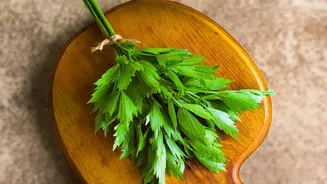
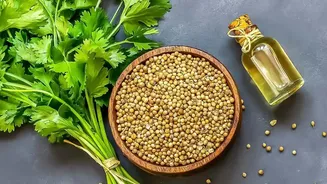
In the world of zero-waste cooking, every scrap has potential. The stems of herbs like mint and coriander are often discarded, but they are packed with concentrated flavour, sometimes even more potent than the leaves. By infusing them into oil, you not
only reduce your kitchen waste but also create a custom-flavoured ingredient that can elevate your everyday meals. This simple act of transformation is a cornerstone of sustainable living, turning what is typically considered trash into a delicious, aromatic treasure. It’s a frugal and flavourful trick that adds a gourmet touch to your cooking with minimal effort and cost, embodying the principle of using the whole ingredient.
The Gentle Heat Method
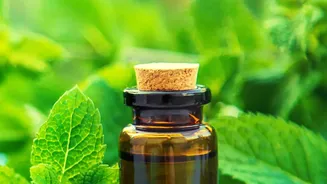
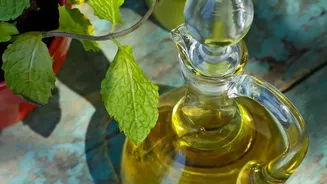
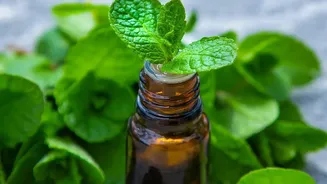
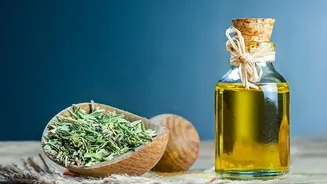
Creating your own herb-infused oil is surprisingly simple. The best and safest approach for fresh stems is a gentle hot infusion. This method helps to extract flavour efficiently while the heat helps reduce the moisture that can lead to spoilage. Start with clean, thoroughly dry mint or coriander stems. Chop them roughly to help release their essential oils. In a small saucepan, gently warm a neutral oil like sunflower or grapeseed oil over low heat. The oil should be warm, not hot enough to sizzle or fry. Add the chopped stems to the warm oil and let them steep on the lowest possible heat for about 15-20 minutes. The goal is to infuse, not to cook. Afterward, turn off the heat and allow the oil to cool completely with the stems still in it, letting the flavours meld further.
Essential Tools and Ingredients
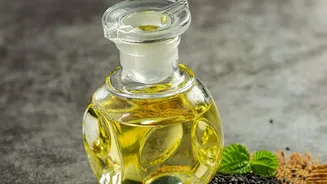
You don't need any fancy equipment for this kitchen project. All you need is a good handful of leftover mint or coriander stems (or both), a light, neutral-flavoured oil, a small saucepan, a fine-mesh sieve or cheesecloth, and a clean, sterilized glass bottle for storage. Neutral oils like grapeseed, sunflower, or a light olive oil work best because they allow the fresh herb flavour to be the star. Heavy, extra-virgin olive oil can sometimes overpower the delicate notes of mint and coriander. Ensuring your bottle is completely clean and dry is a critical step to prevent contamination and prolong the life of your oil.
Straining and Storing Safely
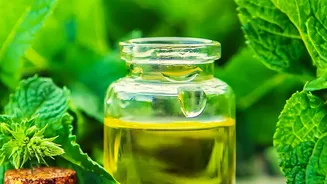
Once your oil has completely cooled, it's time to strain out the solids. Pour the mixture through a fine-mesh sieve or a few layers of cheesecloth into your clean, dry glass bottle. Press the stems gently to extract every last drop of flavourful oil. Now for the most important step: storage. Because you've used fresh ingredients which contain water, these oils are not shelf-stable and pose a risk of botulism if left at room temperature. Your finished oil must be stored in the refrigerator and should be used within a week. For this reason, it's best to make small batches that you know you'll use quickly. Always give it a sniff before using; if it smells off, discard it.
Unlocking New Flavours
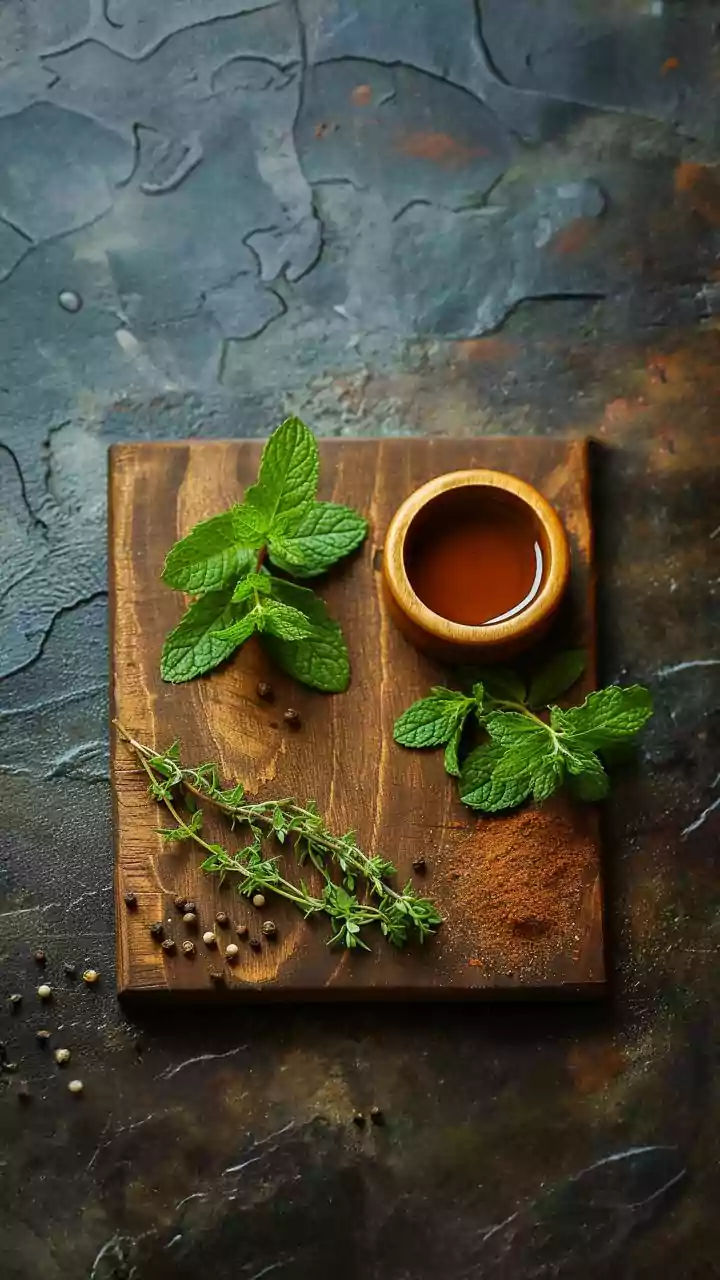
Now for the fun part: using your homemade oils. The bright, cool flavour of mint-infused oil is perfect for drizzling over fruit salads, yogurt raitas, or even into a cool summer drink. It can add a surprising and refreshing twist to grilled vegetables or lamb dishes. Coriander stem oil, with its earthy, citrusy notes, is a natural fit for Indian cooking. Use it as a finishing oil for dals, soups, and curries to add a final burst of fresh flavour. It's also fantastic for tossing with roasted potatoes, whisking into a salad dressing for a chickpea salad, or using as a marinade for chicken or paneer. Experimentation is key to discovering all the ways these oils can brighten up your plate.