


Understanding Seasonal Training Fatigue
Seasonal training fatigue is that familiar dip in energy, performance, and enthusiasm for exercise that many people experience as autumn sets in. It isn't just a feeling of being tired; it’s a specific response to environmental changes. The primary causes
are decreased exposure to natural light, which can disrupt our internal body clock, and dropping temperatures that make early morning or late evening workouts feel much harsher. Symptoms often include persistent fatigue, a lack of motivation, irritability, and even difficulty concentrating. While it shares some traits with Seasonal Affective Disorder (SAD), this training-specific fatigue is often more about the physical and logistical hurdles of the changing season rather than a clinical mood disorder. However, the reduced sunlight can impact serotonin, our 'feel-good' hormone, making it harder to get up and go.
The Challenge of Dark and Cold Workouts
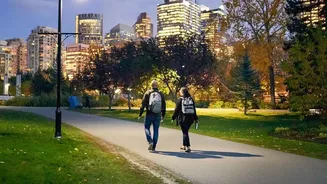
For those who stick to a summer schedule, an early morning or post-work run in October now means exercising in the dark. This presents immediate challenges. It’s less safe due to reduced visibility, for both you and others. Mentally, it's also tougher to leave a warm home for a cold, dark environment. Physiologically, your body needs more time to warm up in cooler temperatures to prevent muscle stiffness and injury. Without a proper, extended warm-up, muscles are less responsive, which can compromise your form and increase the risk of strains or other overuse injuries. The combination of darkness, cold, and the extra effort required can quickly drain your motivation, making it easy to skip sessions and fall out of your routine.
The Midday Advantage: Light, Warmth, and Energy
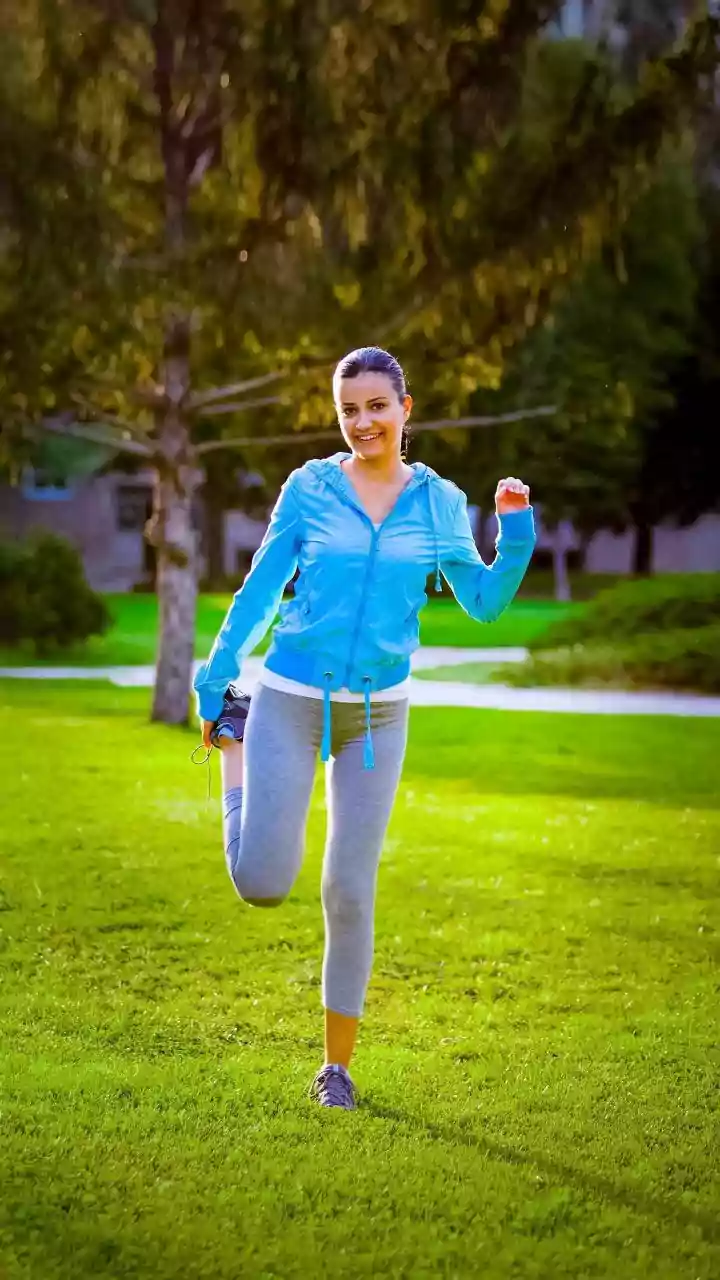
Transitioning your outdoor workouts to the middle of the day is a powerful strategy to counter seasonal fatigue. A lunchtime run or walk capitalize-on the warmest and brightest part of the day. This exposure to midday sunlight offers several key benefits. It boosts your body's production of Vitamin D, a crucial nutrient for bone health, immune function, and muscle recovery. Studies have shown that many athletes become deficient in Vitamin D during autumn and winter, which can lead to fatigue and slower recovery. Sunlight also helps regulate your circadian rhythm, improving sleep quality later on, and stimulates serotonin production, which enhances mood and motivation. A midday workout can combat the afternoon slump, increasing energy and productivity for the rest of your workday. Furthermore, your body temperature is naturally higher in the afternoon, which can improve muscle flexibility, power, and coordination.
Making a Smooth Transition
Shifting your routine doesn't have to happen overnight. Start by identifying one or two days a week where a midday workout is realistic. Block this time in your calendar as you would any other important appointment. If you work from home, the transition is simpler. If you're at an office, plan ahead. Have your workout clothes and shoes ready to go to minimize friction. Your midday session doesn't need to be long; even 30 minutes of brisk walking or running can provide significant mental and physical benefits. The key is consistency. Once you start to feel the energizing effects of these sunlit workouts, it will become easier to maintain the new habit. Consider it a proactive step to protect your energy and fitness goals through the season.
More Tips for a Strong Autumn Season
Beyond timing, a few other adjustments can help you thrive. Dressing in layers is essential for fall workouts, allowing you to adapt as your body warms up. A moisture-wicking base layer is key to staying dry and comfortable. Because you might still feel less thirsty in cooler weather, remember to stay hydrated. Autumn is also a great time to incorporate strength training if your summer was cardio-heavy. Stronger muscles and joints can help prevent injuries, especially as conditions like wet leaves make surfaces more slippery. Finally, embrace the change of scenery. The crisp air and beautiful foliage can make outdoor exercise more enjoyable than in the sweltering summer heat, providing a mental boost that keeps your routine feeling fresh and rewarding.