


Understand Why Your Hair Is Breaking
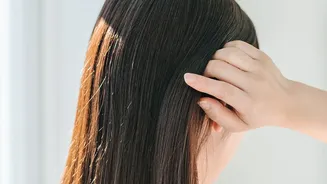
When the air becomes drier, it draws moisture out of everything, including your hair. This process lifts the hair's outer layer, the cuticle, leaving it rough and unprotected. The ends are the oldest and most fragile part of your hair, having endured
the most wear and tear from styling, brushing, and environmental exposure. This combination of existing fragility and a sudden loss of hydration makes them highly susceptible to fraying, splitting, and snapping off entirely. Friction from cozy winter clothes like scarves, coats, and sweaters also contributes to the problem, rubbing against your hair and weakening the fibers.
Seal Your Ends with the Right Oils
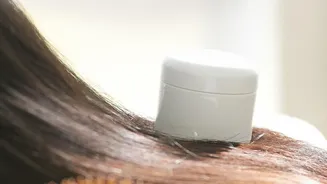
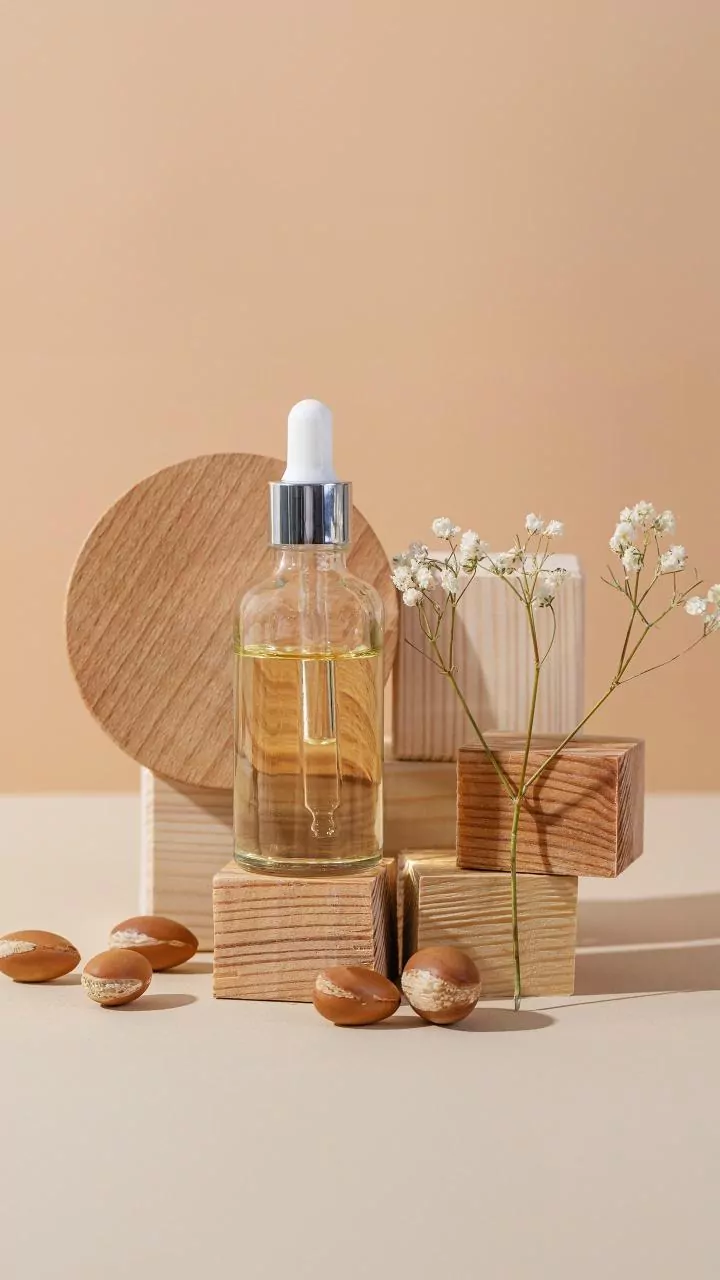
Once you add moisture, you need to lock it in. This is where hair oils become essential. Applying a small amount of a sealing oil to the last few inches of your hair creates a protective barrier that prevents moisture from escaping and shields strands from environmental damage. Not all oils are created equal. For fine hair that gets weighed down easily, lightweight options like argan, jojoba, or almond oil are excellent choices. For thicker, coarser, or very dry hair, coconut and castor oil provide more intensive coating. Apply a few drops to damp or dry ends daily or as needed to keep them supple and resilient.
Rethink Your Wash Day Routine
Over-washing can strip your hair of its natural protective oils, exacerbating dryness. During drier seasons, try to extend the time between washes by a day or two. When you do shampoo, opt for a gentle, sulfate-free formula that cleanses without stripping moisture. Always follow up with a hydrating conditioner, concentrating the product on the mid-lengths and ends where moisture is needed most. Consider rinsing with cool water, which helps to seal the hair cuticle, locking in conditioner and boosting shine. Also, be gentle when towel-drying; instead of rubbing vigorously, which can cause breakage, gently squeeze or blot the excess water out with a soft t-shirt or microfiber towel.
Embrace Deep Conditioning Treatments
A weekly deep conditioning treatment is non-negotiable for preventing breakage during dry seasons. These masks are formulated with concentrated ingredients that penetrate the hair shaft to deliver intense hydration and nourishment. Look for products with ingredients like shea butter, hyaluronic acid, argan oil, or ceramides to restore moisture and elasticity. For an extra boost, you can apply your mask to damp, unwashed hair and let it sit for 15-20 minutes before you shampoo and condition as usual. This allows the product to penetrate deeply without excess water getting in the way.
Minimize Heat and Friction
Heat styling tools are a major cause of dry, brittle ends. In dry weather, your hair is already vulnerable, so it's wise to reduce your use of flat irons, curling wands, and even high-heat blow dryers. When you do use heat, always apply a quality heat protectant spray first to create a buffer between the tool and your hair. Additionally, consider protective styling. Simple styles like loose braids, buns, or twists keep your fragile ends tucked away, minimizing friction from clothing and exposure to dry air. Sleeping on a silk or satin pillowcase can also dramatically reduce nighttime friction and moisture loss compared to cotton.
Don't Skip Your Trims
While it may seem counterintuitive when you want to preserve length, regular trims are the single most effective way to manage and prevent breakage. A split end cannot be repaired; once the hair shaft frays, the damage will continue to travel upwards, leading to even more breakage. Getting a light trim, often called a 'dusting', every 8-12 weeks removes the damaged tips before they have a chance to split further. This doesn't make your hair grow faster from the root, but it preserves the length you have, making your hair appear fuller, healthier, and more uniform from root to tip.