



The Real Problem a Fancy Bowl Can't Fix
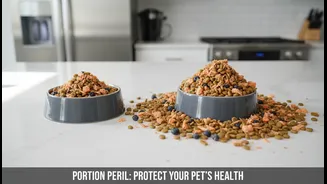
The single biggest feeding issue facing pets today isn't the material of their bowl, but the amount of food put into it. Overfeeding is a common and dangerous problem. Excess weight in pets is linked to a host of serious health conditions, including diabetes,
arthritis, heart disease, and respiratory issues. Studies have shown that maintaining a lean body condition can extend a pet's life by up to two years. Many owners overfeed unintentionally, either by misinterpreting packaging guidelines or by using treats and scraps to show affection. No matter how expensive or well-designed a bowl is, it cannot prevent the health risks that come from consistently consuming too many calories. The problem isn't the vessel; it's the portion.
Mastering Portion Control: The Basics
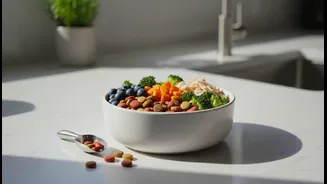
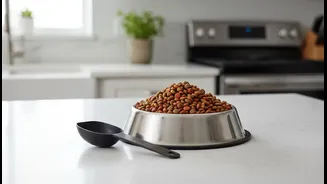
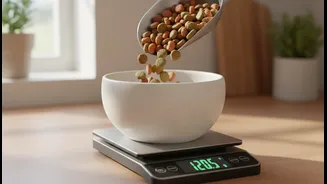
Proper portion control is the most impactful change you can make for your pet's long-term health. The first step is to ignore the impulse to just fill the bowl. Instead, start by reading the feeding guidelines on your pet's food packaging, but treat it as a starting point, not a strict rule. These recommendations are often general and don't account for your specific pet's age, breed, activity level, and whether they are spayed or neutered. For the most accurate measurement, use a digital kitchen scale to weigh out their daily food in grams. This is far more precise than using a scoop or cup, which can lead to significant overfeeding over time. If you use a cup, ensure it is a proper 8-ounce measuring cup and that you serve level scoops, not heaping ones. Your veterinarian is your best resource for determining the ideal daily calorie intake and healthy weight for your pet.
How to Tell If You're Overfeeding
It can be hard to spot gradual weight gain, especially with fluffy pets. Vets use a Body Condition Score (BCS) to assess a pet's weight. You can do a simplified check at home. Run your hands along your pet's side; you should be able to feel their ribs with light pressure without them being visibly prominent. When looking at your pet from above, you should see an 'hourglass' figure, with a noticeable waist behind the ribs. Other signs of overfeeding can include low energy, difficulty moving or jumping, heavy breathing after mild activity, and digestive issues like loose stools.
So, Does the Bowl Matter at All?
Once you have portion control handled, the right bowl can offer secondary benefits. For example, slow-feeder bowls have built-in obstacles that force fast eaters to slow down, which can prevent vomiting, choking, and a dangerous condition called bloat. Elevated bowls can provide comfort for senior pets or those with arthritis by reducing strain on their neck and joints. The material also plays a role in hygiene. Veterinarians often recommend stainless steel as it is durable, non-porous, and easy to clean, preventing bacteria buildup. Ceramic bowls are a stylish and heavy option, but they must be properly glazed to prevent bacteria from seeping into pores, and discarded if chipped or cracked. Ultimately, these are optimisations, not solutions to the core issue of overfeeding.