


What Exactly Is a Bento Box?
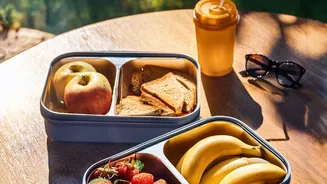
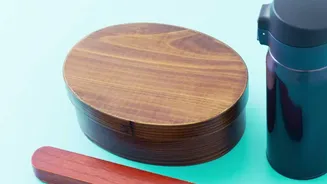
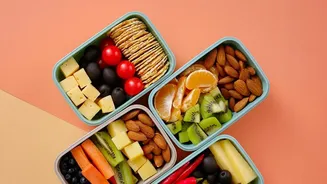
Originating in Japan, a bento is a single-portion meal packed in a box. But it's much more than just a container; it's a philosophy of eating. The core idea is to create a balanced, visually appealing, and convenient meal. Traditional bento boxes use
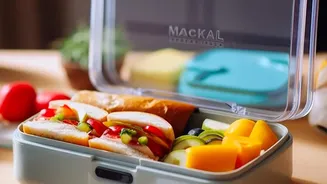
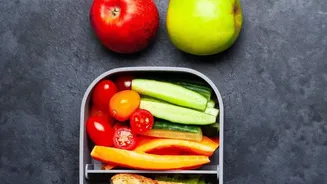
compartments to neatly separate different food items, typically including a carbohydrate like rice or noodles, a protein such as fish or meat, and a variety of vegetables. This separation is key—it keeps flavours and textures distinct, prevents sogginess, and encourages a diverse range of foods in one meal. The concept is rooted in balance and mindful eating, transforming lunch from a mere necessity into a thoughtfully prepared experience.
The Dabba Gets a Discipline Upgrade
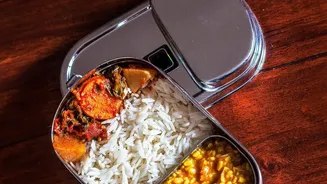
While India has a long and storied tradition of tiffin boxes and the famous dabbawalas, the bento format offers a modern solution to contemporary needs. As health and wellness awareness grows, more Indians are seeking portion-controlled and balanced meals. The compartmentalised nature of bento boxes naturally enforces portion control without the need for tedious calorie counting. Each section holds a finite amount, guiding users to pack just enough. This structured approach is perfect for busy professionals and students who want to avoid the post-lunch slump that can come from heavy, oversized meals. It also prevents the classic Indian lunch problem: dal leaking into the rice and making the roti soggy. The neat separation ensures that every component of the meal arrives at its destination just as it was intended.
Indianising the Bento: A Perfect Match
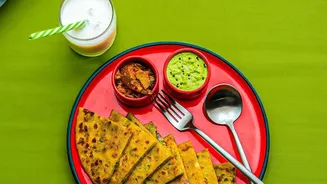
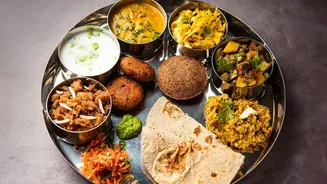
The beauty of the bento trend is how seamlessly it adapts to Indian cuisine, which is naturally multi-component. Think about a standard Indian thali: it features small portions of various dishes. A bento box is essentially a portable, modern thali. Food bloggers and home cooks are now showcasing creative ways to pack everything from paneer tikka and vegetable pulao to chana masala wraps in these organised boxes. A typical Indian bento might feature a compartment for jeera rice, another for dal or a dry sabzi, a third for a few rotis or a paratha, and a fourth for a small salad or some pickle. The key is to manage liquids; leak-proof compartments or small silicone cups for chutneys and raita are becoming popular solutions. The result is a meal that respects the integrity of each dish while offering a complete and satisfying experience.
More Than Just a Pretty Lunch
The benefits of adopting the bento format extend beyond just organisation. For many, it encourages mindful meal prep and healthier eating habits. The visual appeal of a colourful, well-arranged box can make even simple home-cooked food feel special, which can be a psychological boost during a busy day. This approach also helps in reducing food waste, as the fixed-size compartments encourage you to cook and pack only what you need. For parents of picky eaters, the variety and attractive presentation can make meals more exciting and encourage children to try different foods. Ultimately, it transforms the act of packing and eating lunch from a daily chore into a moment of intentional self-care.