







The Science of the Slump
That sleepy, sluggish feeling that hits mid-afternoon is often a direct result of your lunch. When you eat, your body breaks down carbohydrates into glucose, a simple sugar that enters your bloodstream to be used as energy. A meal heavy in refined carbs
or sugar can cause a rapid spike in blood glucose. In response, your pancreas releases insulin, a hormone that helps shuttle that glucose from your blood into your cells. Sometimes, the body overcorrects, releasing a surge of insulin that causes your blood sugar to drop too quickly. This 'crash' is what leaves you feeling drained, foggy, and reaching for another coffee. It's a natural process, but the intensity of the spike and subsequent crash can be managed.
How a Simple Walk Changes Everything
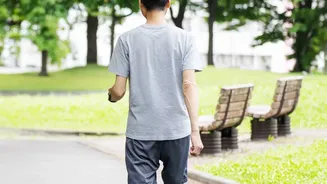
This is where a post-meal walk works its magic. When you engage in light physical activity like walking, your muscles need energy. To get it, they start pulling glucose directly from your bloodstream, a process that doesn't require large amounts of insulin. By using up some of that circulating glucose, a walk effectively blunts the sharp spike in blood sugar that would otherwise occur after a meal. A lower, more gradual rise in blood sugar means your body doesn't need to release a massive wave of insulin. The result? A more stable blood sugar level, which translates to sustained energy and focus without the dramatic crash.
What the Research Shows
This isn't just theory; it's backed by a growing body of scientific evidence. Multiple studies have confirmed that post-meal walking is a powerful tool for glycemic control. Research shows that walking for just 10 to 15 minutes after eating can significantly lower blood sugar levels. Some studies even suggest that a few short walks after each meal can be more effective for 24-hour blood sugar management than one longer 45-minute walk at another time of day. The benefits appear to be most potent when the walk is taken soon after eating, often within 30 minutes, which is when blood sugar levels begin to peak. Incredibly, studies have found that even a two-minute walk can make a noticeable difference.
More Than Just Energy
While preventing an energy slump is a fantastic immediate reward, the benefits of a post-lunch stroll don't stop there. This simple habit also aids digestion by stimulating the stomach and intestines, which can help reduce feelings of bloating and gas. Over the long term, consistently managing post-meal blood sugar spikes can improve your body's insulin sensitivity, reducing your risk of developing metabolic issues. Regular walks also contribute to heart health, can aid in weight management when part of a healthy lifestyle, and provide a mental break that can boost your mood and creativity for the rest of the workday.
Making the Habit Stick
Incorporating a post-lunch walk into your routine doesn't have to be complicated. Start small with a five or ten-minute walk and build from there. The key is consistency. If you work in an office, suggest a walking meeting with a colleague or simply do a few laps around the building. If you work from home, a quick stroll around the block is perfect. To make it effortless, schedule it in your calendar just like any other appointment. Keep a pair of comfortable shoes at your desk as a visual reminder. You don't need to walk fast or break a sweat; a gentle, moderate pace is all it takes to reap the rewards.