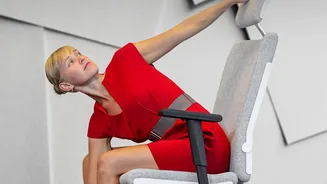







More Than Just a Pause
A micro-break is not your lunch hour or a dedicated coffee run. It’s a short, voluntary rest, lasting anywhere from 30 seconds to a few minutes, where you intentionally step away from your task. Think of it as a mental reset button. The modern workplace
often glorifies continuous focus, but cognitive science shows our brains aren't built for that kind of marathon. Attention is a finite resource that operates in cycles. Pushing through these natural dips in energy leads to mental fatigue, reduced performance, and more errors. Micro-breaks work by respecting these cycles, allowing for quick recovery before burnout sets in.
The Science of the Mental Reset
When you focus intensely on a task, you deplete cognitive resources, particularly in the prefrontal cortex, the part of your brain responsible for executive functions like decision-making and concentration. A micro-break provides a moment of disengagement, which helps replenish these resources. Studies show that even very short breaks can reduce mental fatigue and boost vitality. This concept, sometimes called attention restoration, is critical. By briefly shifting your focus—to something non-work-related—you prevent your brain from becoming desensitized to your primary task, allowing you to return with renewed concentration.
Unlocking Creative Solutions
The feeling of being 'stuck' on a problem is a common signal that you need a break. Stepping away does more than just rest your tired brain; it can actually facilitate problem-solving. When you disengage from a task, your brain can switch into a different mode of thinking. This allows for what psychologists call 'incubation'—a period where your subconscious mind can work on the problem in the background. This can lead to those 'aha!' moments of insight when a solution suddenly appears after you’ve stopped actively thinking about it. A short walk, looking out a window, or even a quick chat with a colleague can provide the mental distance needed for a fresh perspective to emerge.
Types of Effective Micro-Breaks
The best micro-breaks involve a complete context switch from your work. Scrolling through social media might not be effective, as it can still be mentally taxing. Instead, try activities that engage your mind or body differently. Physical breaks, like stretching at your desk, taking a short walk, or simply standing up, can counteract the negative effects of prolonged sitting and increase blood flow. Relaxing breaks might involve deep breathing exercises, listening to a single song, or practising mindfulness for a minute. Even social breaks, such as a brief, non-work-related chat with a coworker, have been shown to boost energy and motivation. The key is to make it intentional and restorative.
Making Micro-Breaks a Habit
Integrating micro-breaks requires a shift in mindset from viewing them as 'wasted time' to seeing them as essential for sustained productivity. One popular method is the Pomodoro Technique, which involves working in focused 25-minute intervals separated by five-minute breaks. If that feels too structured, simply set a timer to remind yourself to stand up and stretch every 30 to 40 minutes. Creating a supportive environment is also key. Managers can lead by example by taking their own micro-breaks and encouraging their teams to do the same. Instead of scheduling back-to-back hour-long meetings, try booking 50-minute sessions to build in a natural pause for everyone.