




A Generational Shift in Taste
In urban India, the humble coffee break is getting a serious upgrade. While tea remains a national staple, a fundamental shift is occurring among younger, urban populations. Millennials and Gen Z, who now account for a significant portion of specialty
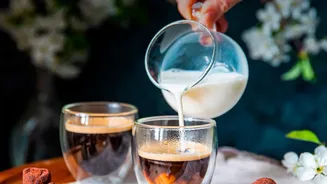
coffee consumers, are driving this change. They are moving away from the utilitarian caffeine hit of mass-produced instant coffee towards a more sophisticated, experience-driven ritual. It’s no longer just about waking up; it’s about appreciating the nuances of flavour, aroma, and origin. This cultural pivot has sparked an explosion in specialty cafés, home brewing equipment, and a newfound curiosity about the journey of the coffee bean.
What Makes Coffee 'Specialty'?
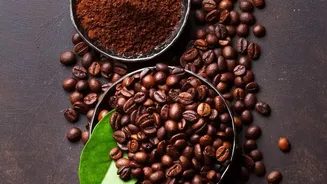
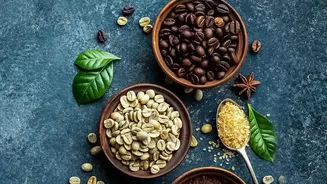
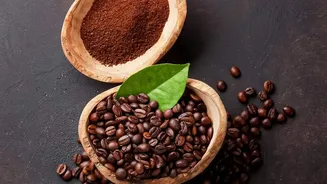
The terms 'specialty', 'single-origin', and 'estate roast' can seem intimidating, but they boil down to one thing: quality and traceability. Unlike commodity coffee, which is often blended from various sources to create a uniform taste, specialty coffee is about celebrating uniqueness. A 'single-origin' or 'single-estate' coffee comes from one specific farm or region, allowing the unique characteristics of its environment—the soil, altitude, and climate (known as 'terroir')—to shine through. These are typically high-grade Arabica beans, handled with care from picking to roasting to preserve their distinct flavour profiles, which can range from floral and fruity to chocolatey and nutty. This is the opposite philosophy of instant coffee, which prioritizes convenience over the distinctiveness of the bean.
The Drivers of the New Coffee Wave
Several factors are fueling this movement. Rising disposable incomes and a growing middle class mean more people can afford premium experiences. Increased global exposure through travel and social media has made a generation aware of the 'third wave' coffee culture that treats coffee like an artisanal product, similar to wine or craft chocolate. Instagrammable café aesthetics and the desire for authentic, transparent sourcing also play a huge role. The pandemic further accelerated this trend, as lockdowns spurred a boom in home brewing, with many investing in grinders, AeroPresses, and pour-over kits to replicate the café experience at home. As a result, India's specialty coffee market is projected to grow significantly, with some forecasts suggesting it could double in value by 2030.
From Farm to Cup: A Boost for Indian Estates
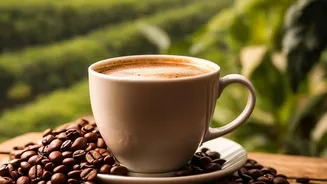
This consumer trend has a powerful impact at the source. For decades, India’s finest coffee beans were primarily exported, with domestic consumers rarely getting a taste of the top-quality product grown in their own backyard. The specialty movement is changing that. Domestic demand for high-quality, traceable beans allows Indian coffee estates in regions like Chikmagalur, Coorg, and the Shevaroy Hills to connect directly with a local audience. This shift encourages farmers to experiment with advanced processing methods—like anaerobic fermentation and carbonic maceration—that can create complex and exciting new flavours. It also fosters direct relationships between growers and roasters, creating a collaborative ecosystem focused on pushing the boundaries of quality.
More Than a Drink: The Café as a Community Hub
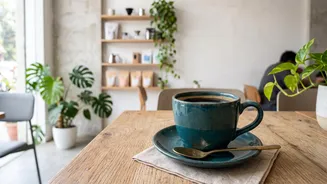
The rise of specialty coffee is inseparable from the evolution of the café itself. Chains like Blue Tokai and Third Wave Coffee, which have expanded rapidly across the country, are more than just places to buy a beverage; they are 'third places'—somewhere between home and work where people can socialize, work remotely, and build community. These spaces act as educators, introducing patrons to different brewing methods and the stories behind the beans. By offering curated experiences and consistently high-quality coffee, they have transformed public perception and cultivated a new generation of discerning coffee lovers across India's cities.