








1. Lentils and Pulses (Dal)
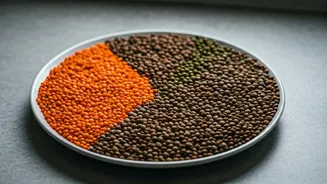
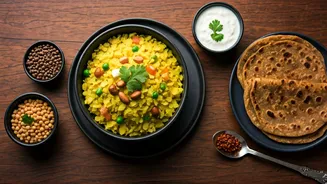
A cornerstone of the Indian diet, dal is your best friend during the monsoon. Lentils and pulses are packed with protein, fibre, and essential minerals like iron and magnesium, which are crucial for energy production. Unlike heavier proteins, they are relatively
easy to digest. A warm bowl of moong dal or masoor dal soup is not just comforting on a rainy day; it's a powerful tool to fight fatigue and keep your gut happy. For an extra boost, try sprouted lentils in salads. The sprouting process increases their nutritional value and makes them even easier for your body to process, providing a clean, sustained source of energy without feeling heavy.
2. Eggs
Often called a complete protein, the humble egg is a nutritional powerhouse. Each egg contains about six grams of high-quality protein and essential amino acids, which are the building blocks for muscle repair and energy. They are also rich in Vitamin B12, which plays a vital role in converting food into usable energy, and Vitamin D, which can help combat the gloomy mood sometimes associated with overcast monsoon days. Boiled, scrambled, or as an omelette loaded with vegetables, eggs are a quick, versatile, and affordable way to fuel your body and keep your energy levels stable throughout the day.
3. Yoghurt (Dahi) and Paneer
Dairy products like yoghurt and paneer are excellent vegetarian sources of protein. Yoghurt is particularly beneficial during the monsoon because it's a natural probiotic. It helps maintain a healthy balance of gut bacteria, which is essential for strong digestion and immunity—two things that can take a hit during this season. Opt for plain, homemade dahi to avoid excess sugar. Paneer, or Indian cottage cheese, is a concentrated source of casein protein, which digests slowly and provides a steady release of energy. Lightly grilled or sautéed paneer makes for a satisfying and energy-boosting addition to any meal.
4. Chickpeas (Chana)
Whether it's roasted chana for a snack or chana masala for dinner, chickpeas are a fantastic monsoon food. They offer a great combination of protein and complex carbohydrates, which provides lasting energy instead of a quick sugar spike and crash. They are also an excellent source of dietary fibre, aiding digestion and preventing the bloating and indigestion common during the rainy season. Roasted black chickpeas (kala chana) are a particularly healthy, crunchy snack that can replace fried, unhealthy options, giving you a dose of protein and iron to fight off mid-day slumps.
5. Lightly Cooked Fish
For non-vegetarians, light and flaky fish are a superb choice. Fish like pomfret, rohu, or mackerel are rich in high-quality, easily digestible protein and omega-3 fatty acids. Omega-3s are known for their anti-inflammatory properties, which can help boost your immune system and fight infections that are more prevalent during the monsoon. They also support brain function and can improve mood. Opt for steamed, baked, or grilled preparations instead of heavy, deep-fried versions. This ensures you get all the nutritional benefits without putting extra strain on your digestive system, leaving you feeling light and energised.
6. Nuts and Seeds
A small handful of nuts and seeds can make a big difference to your energy levels. Almonds, walnuts, and pumpkin seeds are dense with protein, healthy fats, and micronutrients like zinc and selenium that are vital for a strong immune response. They are the perfect on-the-go snack to beat cravings and provide a sustained energy lift. Instead of reaching for oily pakoras, keep a small mix of these nuts and seeds handy. They provide warmth to the body and their healthy fats help in the absorption of vitamins, ensuring your body is well-nourished to tackle the challenges of the season.