





The Off-Season Is Officially Over
The long-held belief that India’s monsoon months offer quiet retreats and bargain prices is quickly becoming a myth. Recent data reveals a massive surge in travel demand from June to September, turning the rainy season into a bustling, high-demand period.
According to travel fintech platform Scapia, hotel bookings for popular monsoon destinations like Munnar and Mussoorie have seen a staggering tenfold growth compared to last year. Other favourites such as Coorg, Wayanad, Ooty, and Lonavala have seen bookings expand by about seven times. Even Goa, traditionally quieter during the rains, is experiencing a boom. Travel portal ixigo reported that hotel searches for Goa in July surged by nearly 40% compared to the peak summer season. This isn't just a minor uptick; it's a fundamental shift. Radisson Hotel Group confirmed its July bookings are pacing nearly 10% ahead year-on-year, with sustained demand across leisure destinations. The old rules of off-season travel no longer apply.
Why Is Everyone Travelling in the Rain?
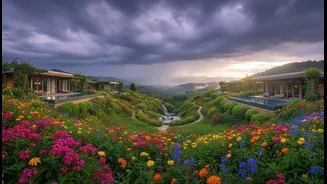
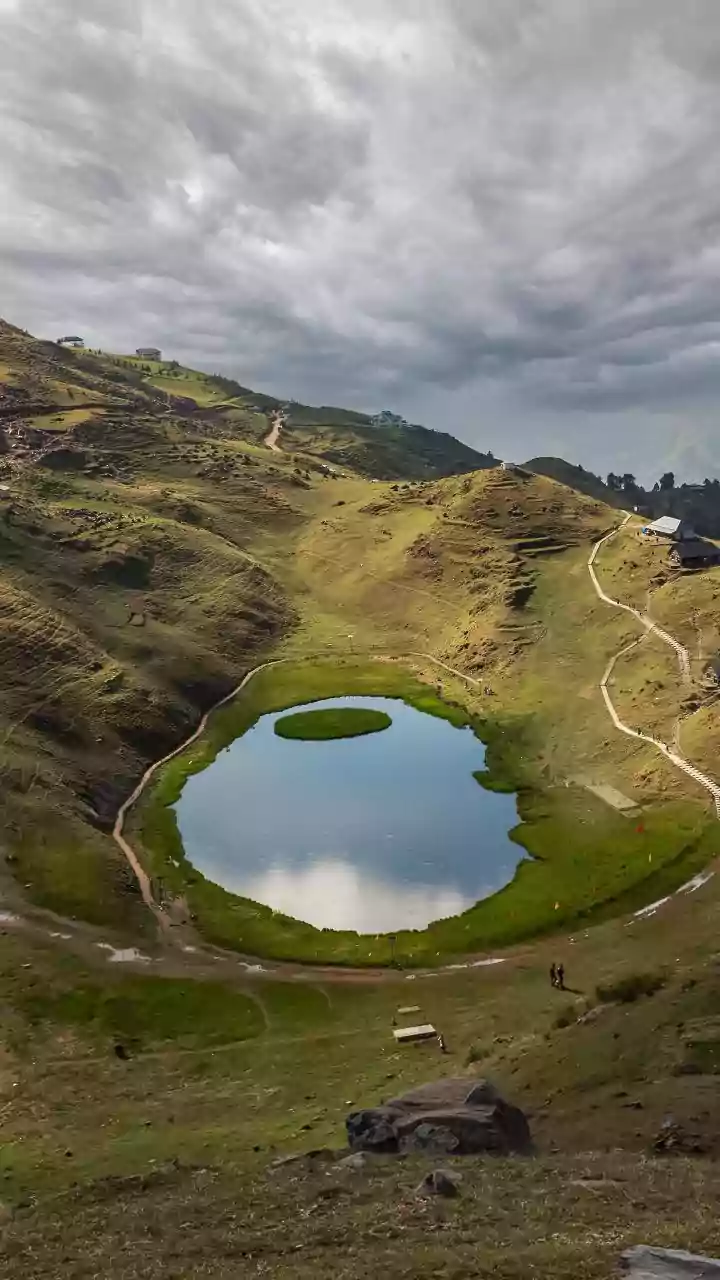
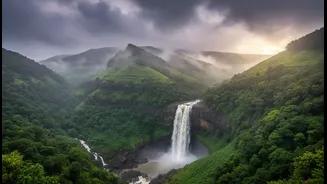
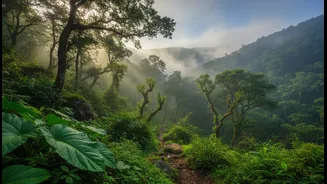
Several factors are fuelling this monsoon rush. The perception of monsoon travel itself has changed. It's no longer seen as a time to stay indoors but as an opportunity to experience India at its most lush and beautiful. The 'green season' aesthetic, popularized on social media, showcases mist-covered hills, roaring waterfalls, and vibrant landscapes, tempting travellers to witness it firsthand. Beyond the scenery, there's a shift in travel priorities. A recent report from Booking.com highlights that Indian travellers are increasingly choosing destinations based on experiences like wellness, spirituality, and cultural immersion rather than just the weather. This has led to destinations like Rishikesh and Mussoorie seeing search interest grow by over 200% and 160% respectively. The rise of flexible work arrangements and a preference for shorter, more frequent domestic trips over complex international travel also contribute to people taking advantage of the monsoon months for a quick escape.
Hotspots, High Prices, and Hassles
This newfound popularity comes at a cost. The surge in demand means that popular destinations are crowded, and the off-season discounts travellers once took for granted have largely vanished. In Goa, for instance, hotel tariffs that used to drop significantly during the monsoon are now described as 'resilient' due to the sustained demand. Popular hill stations across Himachal Pradesh and Uttarakhand are also reporting significant growth in hotel bookings. This means that spontaneous trips are becoming harder to pull off. Travellers arriving without advance bookings are likely to face sold-out hotels and peak-season pricing. Furthermore, while the monsoon landscapes are beautiful, the season comes with practical challenges. Heavy rainfall can lead to waterlogging, road closures, and landslides, particularly in hilly regions, requiring travellers to be far more vigilant about weather updates and local conditions.
Your Monsoon Travel Playbook
Navigating this new travel landscape requires a shift in strategy. The most crucial piece of advice is to plan ahead. Spontaneity is no longer your friend if you're heading to a popular spot. Book your flights and, more importantly, your accommodation well in advance to secure a reasonable price and avoid disappointment. Be flexible with your destination choices. If mainstream spots like Lonavala or Munnar are fully booked or overpriced, consider exploring lesser-known gems. Destinations in the Northeast like Nagaland and Arunachal Pradesh have seen a 62% year-on-year rise in flight bookings but may still offer more breathing room than traditional hotspots. Other alternatives include the lush Araku Valley in Andhra Pradesh or the serene Binsar in Uttarakhand. Always check the weather forecast and road conditions before and during your trip. Government tourism departments and the India Meteorological Department (IMD) provide regular updates that are essential for a safe journey.