



The Journey Gets Shorter
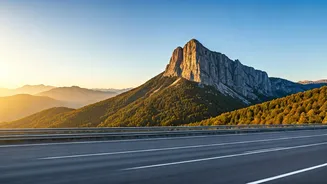
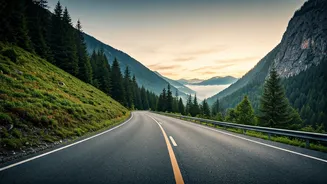
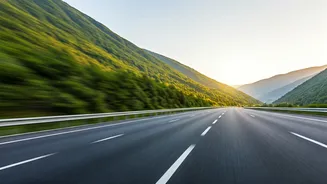
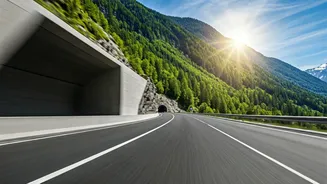
A significant reason short trips feel more feasible is the marked improvement in connectivity. Major infrastructure upgrades across the country are cutting down travel times to popular hill destinations. The expansion of expressways and national highways
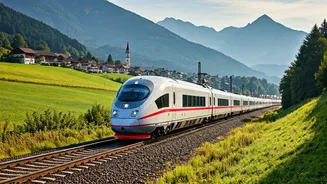
has made road trips smoother and faster, turning what was once a gruelling eight-hour drive into a more manageable five or six-hour journey from cities like Delhi or Bangalore. For instance, the route to Lansdowne from Delhi is now a comfortable drive, making it a prime choice for a quick escape.Beyond the roads, Indian Railways' Vande Bharat Express network has been a game-changer. These semi-high-speed trains now connect major cities to hub stations near hill towns in Uttarakhand, Himachal Pradesh, and the Northeast, significantly reducing rail travel time. Routes like the New Delhi to Dehradun or Katra services offer a comfortable and fast alternative to driving, depositing travellers at the foothills, ready for the final leg of their journey. Similarly, the expansion of regional air connectivity under schemes like UDAN has put smaller airports closer to the hills on the map, making destinations in states like Sikkim and Arunachal Pradesh more accessible for a long weekend.
A Revolution in Stays
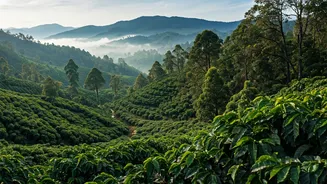
The traditional choice between a large, impersonal hotel and a basic guesthouse has expanded dramatically. The rise of homestays, boutique properties, and professionally managed villas has transformed accommodation in the hills. Travellers can now find places that offer the comfort of a home, complete with Wi-Fi and home-cooked meals, making them ideal for short, restorative breaks.These smaller, often family-run establishments provide a more authentic experience of the local culture and hospitality. For those looking for a quiet retreat, plantation stays in Coorg or Chikmagalur offer an immersive experience amidst coffee and spice estates. This shift away from conventional hotels means more flexibility and value, especially for families or groups. Digital platforms have also simplified the process of discovering and booking these unique stays, taking the guesswork out of planning.
The 'Work from Hills' Phenomenon
The widespread adoption of remote and hybrid work models has fundamentally changed the concept of a 'short' trip. A weekend getaway can now seamlessly extend into the work week, a trend popularly known as a 'workation'. Professionals are escaping urban burnout by swapping their city apartments for a balcony with a Himalayan view. Many homestays and even some hotels now cater specifically to remote workers, offering reliable high-speed internet, quiet workspaces, and the appeal of fresh mountain air during screen breaks.This trend allows for a slower, more immersive travel experience. Instead of rushing through a packed weekend itinerary, one can work during the day and use evenings and the weekend to explore local trails, cafes, and culture at a relaxed pace. Destinations like Shimla, Rishikesh, and Coorg have become popular workation hubs, offering the perfect blend of productivity and leisure.
A Shift in Mindset
Perhaps the biggest change is in how travellers are approaching these trips. The focus is shifting from checklist tourism to experience-led travel. A short trip is no longer about cramming in every popular viewpoint and attraction. Instead, the goal is often simply to unwind, breathe clean air, and disconnect from the urban grind. This makes planning much simpler and the trip itself far more relaxing.Travellers are increasingly choosing destinations based on experiences like wellness, cultural immersion, or simply doing nothing at all. This means picking a quiet homestay with a great view and spending the weekend reading, walking, and enjoying local food can be the entire itinerary. This less-is-more approach reduces the pressure and logistics involved, making a last-minute decision to head to the hills entirely possible. Prioritizing off-peak travel to avoid crowds further enhances this sense of peace and makes the escape feel truly restorative.