





More Than Just a Condiment
In India, a pickle, or 'achar', is not merely a side dish; it is a cultural cornerstone and a culinary heirloom. It represents a tradition of preservation dating back thousands of years, a clever method to make seasonal produce last all year round. More
than that, it is a taste of home. Each jar, often prepared in large batches during summer, tells a story of family recipes passed down through generations, with grandmothers and mothers as the custodians of these treasured secrets. The very act of making pickles is often a communal affair, a ritual that binds families and neighbours together as they chop, spice, and sun the ingredients with care.
A Symphony of Flavour
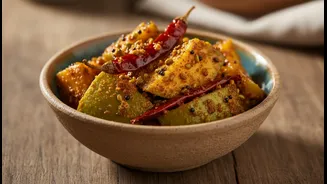
What makes Indian pickles so potent? It’s the artful balance of the four primary tastes: sour, salty, spicy, and sweet. Unlike Western pickles that predominantly rely on vinegar, Indian achars are often preserved in oil—typically mustard, sesame, or groundnut oil—which acts as a seal against spoilage. This oil, combined with a powerful blend of spices like mustard seeds, fenugreek, turmeric, and asafoetida, creates an environment where fruits and vegetables can ferment slowly, developing deep, complex flavours over time. This process not only preserves the food but also enhances it, turning simple ingredients into a flavour explosion.
A Pickle for Every Palate
The diversity of Indian pickles is as vast as the country itself. Every region has its signature style, dictated by local produce and climate. The most universally beloved is arguably the mango pickle (aam ka achar), with countless regional variations, from the fiery Avakaya of Andhra Pradesh to the sweet Chhundo of Gujarat. Then there is the zesty lemon pickle (nimbu ka achar), which mellows into a soft, intensely flavourful condiment over time. You'll also find pickles made from green chillies, garlic, gooseberries (amla), mixed vegetables, and even bamboo shoots in the Northeast and seafood in coastal regions like Goa.
The Perfect Pairing
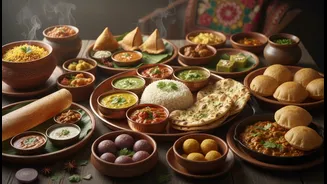
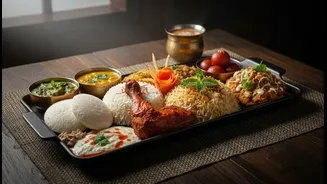
Traditionally, a small amount of pickle is enjoyed with each bite of food, intended to cleanse the palate and add a contrasting zing. It can turn a simple meal of dal and rice or curd rice into a flavourful event. Parathas, especially stuffed ones, find their perfect match in a tangy mango or spicy chilli pickle. But the utility of achar doesn't stop there. A spoonful can be mixed into the tadka for your dal to give it a spicy twist, added to a yoghurt dip (raita), or even used as a marinade for paneer or chicken tikka. Spreading some on a sandwich or a naan offers a quick and easy way to add a powerful flavour punch.