







The High-Rise Anxiety
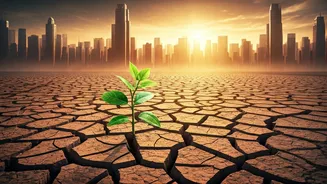
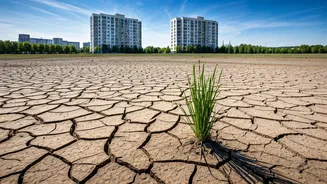
The seasonal water shortage is no longer a temporary inconvenience; it has become a defining feature of urban life in cities like Bengaluru, Delhi, and Mumbai. For residents of apartment complexes, the day often begins not with a refreshing shower but
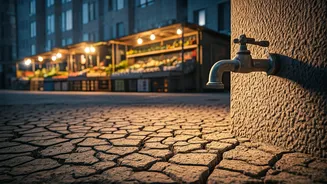
with anxious coordination over WhatsApp groups about the status of the building's water tank. The reliance on private water tankers has become the new normal, bringing with it soaring costs and the rise of an unregulated 'tanker mafia' that capitalizes on the desperation. Frayed tempers and community disputes over water usage are becoming common as municipal supplies dwindle and borewells dry up due to the over-extraction of groundwater. This daily struggle highlights a systemic failure, where modern housing infrastructure stands helpless against a fundamental resource crunch.
Students and Shopkeepers Feel the Pinch
The crisis extends far beyond residential societies, seeping into the foundations of commerce and education. In cities with large student populations, hostels are struggling to provide basic amenities. The lack of reliable water disrupts daily routines, affecting hygiene and creating a stressful living environment for young people far from home. Simultaneously, bustling city markets, the heart of local economies, are facing unprecedented challenges. Restaurants, small eateries, and other businesses that depend on a steady water supply are forced to scale back operations, purchase expensive water from tankers, or even temporarily shut down. This operational disruption not only affects their livelihoods but also has a cascading effect on the local economy.
Why Our Cities Are So Thirsty
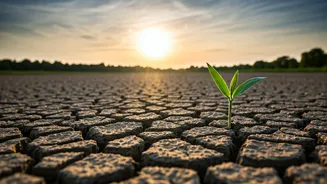
The roots of India's urban water stress are deep and tangled. Decades of rapid, often unplanned, urbanization have led to the concretization of cities. Natural recharge zones like lakes, wetlands, and open soil, which once acted as sponges to replenish groundwater, have been paved over for buildings and roads. Bengaluru, for example, has lost a significant percentage of its water bodies to urban sprawl. This, combined with the massive over-extraction of groundwater to meet the demands of a growing population, means we are withdrawing water far faster than nature can put it back. Compounding the problem are inefficient distribution systems riddled with leaks—losing a substantial amount of treated water before it even reaches the tap—and the increasingly erratic monsoon patterns linked to climate change.
The Search for Lasting Solutions
Tackling this crisis requires a fundamental shift from crisis management to long-term resilience. Experts argue that cities can no longer afford to simply search for new, distant water sources. Instead, the focus must turn inwards to better management of existing resources. Key solutions include the mandatory implementation of rainwater harvesting in all new constructions, a practice that captures monsoon runoff instead of letting it flood streets and go to waste. Another crucial step is the large-scale treatment and reuse of wastewater, or greywater, for non-potable purposes like flushing, gardening, and industrial use. Restoring and protecting urban water bodies like lakes and wetlands is also vital to naturally recharge groundwater levels. Ultimately, solving the water crisis demands a combination of policy enforcement, improved infrastructure, and a collective effort from citizens to conserve water.