




An Eco-Friendly Choice
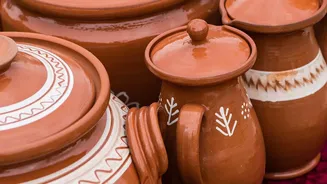
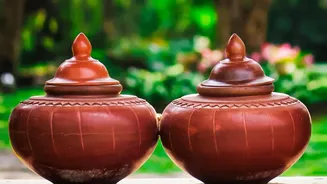
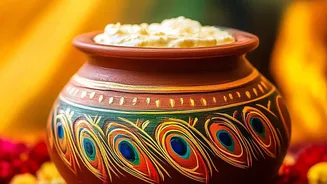
Long before modern cookware filled our kitchens, earthenware was the standard. Today, its environmental credentials are more relevant than ever. Unlike metal or non-stick pans, which involve intensive industrial processes, clay pots are made from natural,
locally sourced earth. Their creation requires less energy, and at the end of their long life, they are fully biodegradable, seamlessly returning to the soil from which they came. This makes them a zero-waste, sustainable option in a world grappling with pollution from manufacturing and landfill waste. Choosing earthenware is a direct step towards reducing one's carbon footprint, a simple yet impactful decision for an eco-conscious home.
The Science of Superior Nutrition
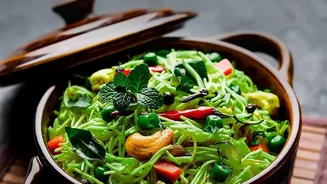
The benefits of clay pot cooking extend deep into the nutritional quality of food. Clay is naturally porous, allowing heat and moisture to circulate evenly. This creates a slow-cooking environment that is gentle on delicate nutrients. Heat-sensitive vitamins, such as Vitamin C and B vitamins, which are often destroyed by the high, direct heat of metal pans, are better preserved in the gentle, consistent warmth of a clay pot. This means the food you eat is not only tastier but also retains more of its inherent nutritional value.
Natural Alkalinity and Better Digestion
One of the most unique properties of clay is its alkaline nature. When acidic foods like tomatoes, tamarind, or curds are cooked in an earthen pot, the clay helps to neutralize their pH. This can result in a dish that is not only milder and sweeter in taste but also easier on the digestive system, potentially reducing issues like acidity and bloating. Furthermore, some believe that cooking in clay can enrich food with beneficial minerals like calcium, magnesium, iron, and phosphorus, which are naturally present in the clay itself.
Enhanced Flavour with Less Oil
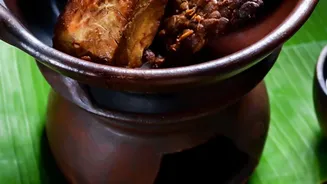
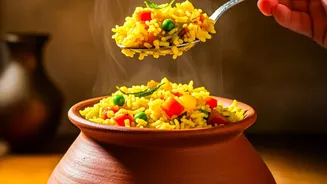
The porosity of earthenware creates a self-basting effect, trapping steam and moisture within the pot. This ensures that food cooks in its own juices, resulting in exceptionally tender and flavourful dishes that are difficult to replicate in metal cookware. This natural moisture retention also means that less oil and fat are needed for cooking, making it an excellent choice for those focused on heart health and lower-calorie meals. The unique, earthy aroma imparted by the clay, often described as 'saundhi khushboo', adds another layer of authentic taste that connoisseurs cherish.
A Rich Tapestry of Regional Crafts
India's pottery tradition is as diverse as its culture. In Manipur, the Tangkhul Naga community crafts the famous Longpi pottery, not on a wheel but by hand, using a mix of black serpentine stone and clay. These distinctive black pots are known for being durable and imparting a unique flavour to food. Meanwhile, Nizamabad in Uttar Pradesh is renowned for its glossy black pottery, which features intricate silver patterns created using a mixture of zinc and mercury. These regional variations are not just utensils but a living heritage, representing centuries of skill passed down through generations.