


The Quintessential Bhutta (Corn on the Cob)
Nothing says monsoon in India quite like the smoky aroma of bhutta roasting on hot coals at a roadside stall. While corn is technically a summer crop, it is most famously enjoyed during the rainy season. The desi variety, which is less sweet and chewier
than American sweet corn, is perfect for roasting. The experience is multisensory: watching the vendor skillfully turn the cob over the flames, the crackle of the kernels, and finally, the zesty application of lemon juice, salt, and chilli powder. This simple, healthy snack is low in calories and high in fibre, making it a guilt-free indulgence. Enjoying a hot, spicy bhutta while sheltering from a downpour is a core memory for many and a ritual that defines the season.
The Royal Jamun (Java Plum)
As the rains arrive, markets are flooded with this deep purple, almost black, fruit. The Jamun, or Java Plum, has a unique sweet, sour, and astringent flavour that is deeply associated with the season. Biting into one leaves a delightful purple stain on the tongue, a tell-tale sign of its consumption. Beyond its distinctive taste, jamun is prized for its health benefits. It's packed with antioxidants and is considered beneficial for digestive health. Traditionally, people enjoy it fresh, often with a sprinkle of black salt to balance its tartness. You'll find vendors selling them by the cone-full, making for a perfect, healthy snack while navigating the bustling monsoon markets.
A Gourdgeous Affair: Lauki, Turai, and Karela
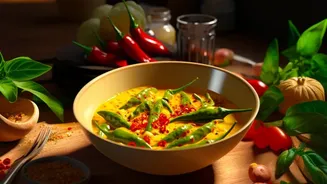
The monsoon is the peak season for a variety of gourds, which thrive in the humid conditions. Vegetables like bottle gourd (lauki), ridge gourd (turai), and bitter gourd (karela) are abundant, fresh, and at their flavourful best. Lauki, with its high water content and mild taste, is incredibly easy to digest, making it a staple for light monsoon meals like lauki chana dal or koftas. Turai offers a tender texture perfect for simple stir-fries and curries. While many shy away from karela due to its bitterness, monsoon is when it’s considered particularly beneficial in traditional Indian diets, believed to aid digestion and boost immunity. These gourds are not just seasonal; they are a cornerstone of healthy, comforting home-cooking during the rains.
Earthy Delights: Arbi Ke Patte (Colocasia Leaves)
One of the most special sights in a monsoon market is the stacks of large, heart-shaped colocasia leaves, known as Arbi ke Patte in Hindi. These leafy greens are a monsoon delicacy, used in various regional cuisines across India. They are the star ingredient in dishes like Gujarati Patra or Maharashtrian Alu Vadi, where the leaves are layered with a spiced gram flour paste, rolled, steamed, and then fried or tempered. Cooking these leaves requires care, as they can cause throat irritation if not prepared correctly, which is why souring agents like tamarind or lemon are always used. Finding and cooking with arbi ke patte is a way to connect with a deeper, more traditional side of Indian seasonal cuisine.
The Humble Ginger and Turmeric
While available year-round, fresh ginger (adrak) and turmeric (haldi) are especially important during the monsoon. The season brings a higher risk of colds, coughs, and digestive issues, and both these rhizomes are revered in Ayurveda for their immunity-boosting and anti-inflammatory properties. The demand for ginger spikes as it becomes the key ingredient in the ubiquitous masala chai, a beverage synonymous with rainy days. Fresh, tender turmeric, with its vibrant orange hue and earthy aroma, also makes an appearance in markets. It's used to make pickles or is added to milk for a comforting and healthy drink. Stocking up on fresh, potent ginger and turmeric is a wise move to keep your household healthy and your meals flavourful throughout the season.