







From Ocean to Lab
The moment the Orion spacecraft, named Integrity, splashes down, a meticulously choreographed recovery operation begins. A joint team from NASA and the U.S. Navy springs into action. Divers approach the capsule to perform safety checks and attach stabilization
collars. After the four-person astronaut crew is safely extracted and flown to a nearby naval ship for medical checks, the focus shifts entirely to the spacecraft. The capsule is carefully winched into the well deck of a recovery ship, secured onto a specialized transport fixture, and begins its long journey back to NASA's Kennedy Space Center in Florida. This overland trek is a complex logistical feat in itself, requiring special permits and careful routing to deliver its precious cargo for analysis.
A Data Treasure Trove
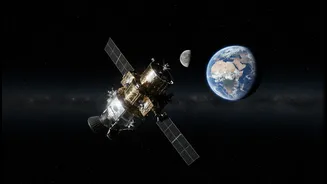
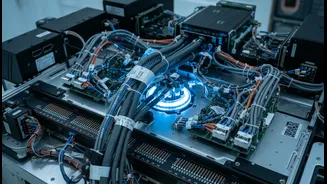
The Artemis II mission is fundamentally a data-gathering exercise. While in flight, Orion’s sensors collect terabytes of information on everything from the performance of its European-built service module, which provides power and propulsion, to the radiation levels experienced by the crew. Post-flight, this data is the first thing engineers retrieve. They analyze flight computer performance, life support system efficiency, and how the vehicle responded to the harsh environment of deep space. This information is critical for validating engineering models and ensuring the safety of the Artemis III crew, who are slated for the first lunar landing in over 50 years. Every anomaly, like a minor issue with the waste management vent line on Artemis II, is scrutinized to inform design improvements.
The Heat Shield’s Fiery Tale
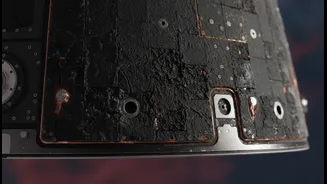
No single component receives more attention than the heat shield. After re-entering Earth's atmosphere at nearly 35 times the speed of sound, the heat shield is the only thing protecting the crew from temperatures half as hot as the sun's surface. On the uncrewed Artemis I mission, the heat shield experienced unexpected char loss, where some of its ablative material eroded differently than predicted. For Artemis II, NASA implemented a modified, steeper re-entry trajectory to reduce the time spent in peak heating. After splashdown, divers immediately take underwater imagery of the shield. Back at Kennedy, it's painstakingly removed and sent for detailed analysis, including X-ray scans, to understand its performance and ensure it’s robust enough for all future missions.
A Painstaking Disassembly
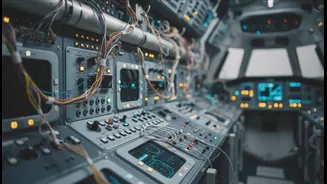
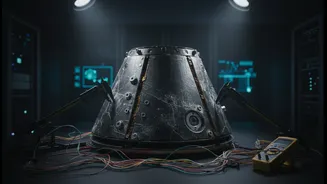
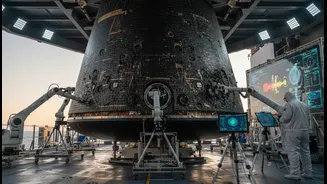
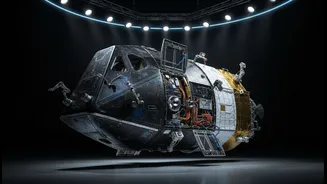
Once in the lab, the Orion capsule is treated like an archaeological find. Technicians carefully disassemble the spacecraft, inspecting every component for signs of wear, micrometeoroid impacts, and space radiation damage. This process is known as de-servicing. They retrieve payloads, remove leftover fuel and other hazardous materials, and check everything from the parachute systems to the windows for any signs of degradation. The analysis of micrometeoroid impacts, for example, helps refine models of the deep space environment, extending knowledge gained from the International Space Station to cis-lunar space. This detailed inspection provides direct, physical evidence to back up the flight telemetry data.
Paving the Way for a Moon Landing
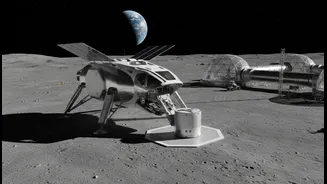
The ultimate goal of this exhaustive post-flight process is to clear the path for Artemis III and beyond. The data informs crucial decisions about what needs to be upgraded for the next flight. Furthermore, many components from the Artemis II capsule, such as avionics, seats, and life support hardware, are refurbished and reused on subsequent Orion spacecraft. This reuse is a critical part of making the Artemis program sustainable. The analysis from Artemis I directly led to the modified re-entry for Artemis II, which appeared to be successful. In the same way, the lessons learned from the complete analysis of Artemis II will directly enhance the safety and performance of the spacecraft that finally returns humans to the lunar surface.