






Jamun (Black Plum)
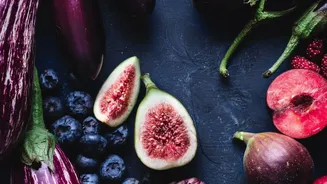
This deep-purple seasonal fruit is a monsoon must-have. Jamun is packed with Vitamin C and antioxidants, which are crucial for boosting your immune system and fighting off the infections that are common during the rainy season. Its antimicrobial properties
make it particularly effective against stomach ailments that can flare up during this time. Additionally, jamun is known to have a cooling effect on the body and is rich in dietary fibre, which helps keep your digestive system running smoothly. For those managing blood sugar, compounds in jamun like jamboline may help regulate levels by improving insulin sensitivity.
Bitter Gourd (Karela)
While its bitter taste can be divisive, there's no denying the benefits of karela, especially during the monsoon. It is known in Ayurveda to be excellent for health during the rainy season. Bitter gourd is prized for its ability to boost the immune system and for its antimicrobial and antiviral properties, which are essential when the risk of infection is high. It is also a fantastic source of dietary fibre, which helps relieve constipation and indigestion. Furthermore, it supports liver function, helping the body detoxify, and its anti-inflammatory properties can help combat skin issues like acne and fungal infections that are aggravated by humidity.
Turmeric (Haldi)
This golden spice is a cornerstone of Indian cooking and traditional medicine for good reason. Turmeric's active compound, curcumin, has powerful anti-inflammatory, antioxidant, antibacterial, and antiviral properties, making it an ideal addition to your monsoon diet. Regularly including turmeric in your meals can enhance immune function and protect against a range of infections. A warm glass of turmeric milk (haldi doodh) before bed is a classic remedy to fight inflammation and keep illnesses at bay. You can also add it to soups, curries, and traditional kadha preparations for a wellness boost.
Ginger and Garlic
This potent duo is a fixture in Indian kitchens and a formidable force for monsoon wellness. Ginger is celebrated for its ability to aid digestion, relieve nausea, and soothe a sore throat. Garlic is known for its powerful antimicrobial properties, thanks to a compound called allicin, which helps the body fight off bacteria and viruses. Using ginger and garlic liberally in your cooking—from teas and soups to dals and vegetable dishes—is a simple and effective way to strengthen your immunity and support your digestive system against monsoon-related troubles.
Gourds (Lauki, Parwal, Tinda)
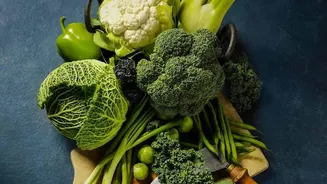
Humble gourds like bottle gourd (lauki), pointed gourd (parwal), and apple gourd (tinda) are staples in a traditional monsoon diet. These vegetables are incredibly easy to digest, which is important when the digestive system is naturally weaker during this season. They are high in water content, helping you stay hydrated, yet low in calories. Rich in essential nutrients and dietary fibre, they support gut health and prevent issues like constipation. Parwal, for example, is rich in Vitamins A and C, which help strengthen the body's natural defences against common infections.
Corn (Bhutta)
A roasted corn on the cob is an iconic monsoon snack for a reason. Bhutta is not just delicious; it's also highly nutritious. It is low in calories and high in fibre, which aids digestion and feeds the good bacteria in your gut. This helps support a healthy digestive system, which can be sensitive during the monsoon. Corn is also a versatile ingredient that can be boiled, steamed, or roasted and added to salads or main courses, making it an easy and satisfying way to get essential nutrients during the rainy season.