





What Exactly Is a 'Cloud Wall'?
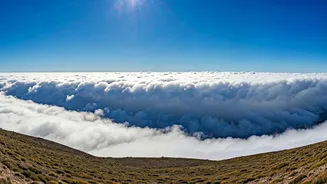
While the term sounds dramatic, a 'cloud wall' is a very real and sudden weather event, technically a form of dense valley fog. It happens when specific conditions align in mountainous regions. Typically, cool, moist air settles in the low-lying parts
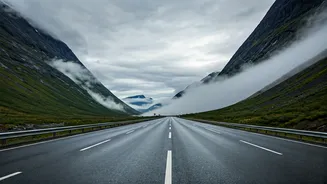
of a valley overnight. As the morning sun warms the air on the upper slopes, it can create an atmospheric lid, trapping the cold, dense fog below. Sometimes, wind can push a mass of moist air up a valley, causing it to cool and condense with startling speed, forming a literal wall of cloud that moves up the road. For a driver rounding a bend, it feels like hitting a solid white barrier, transforming a clear day into a zero-visibility crisis in seconds.
The Hidden Dangers Beyond Poor Visibility
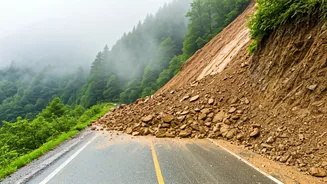
The most obvious danger is the sudden and complete loss of visibility. But the risks run deeper. The abruptness of the change is what makes it so perilous; your eyes and reaction time have no chance to adjust. The moisture in the air can make road surfaces unexpectedly slick, increasing the risk of skidding, especially on winding roads. At higher altitudes or during colder months, this moisture can quickly turn into black ice, an invisible and treacherous layer of frozen water. Furthermore, the disorienting white-out can cause drivers to lose their sense of the road's edge, leading them dangerously close to steep drop-offs. The psychological impact—panic and a feeling of being trapped—can also lead to poor decision-making.
Hotspots for Sudden Cloud Formations
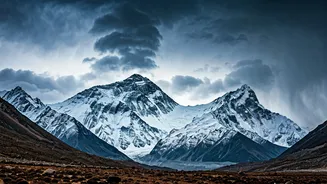
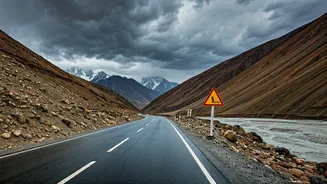
This phenomenon is most common on the high-altitude highways of Northern India. Anyone travelling in Himachal Pradesh, especially on routes like the Manali-Leh highway, or through the valleys of Kinnaur and Spiti, should be prepared for this. In Uttarakhand, the roads leading to major pilgrimage sites like Badrinath and Kedarnath frequently experience rapid fog development. Similarly, the arterial highways in Jammu and Kashmir, including the Srinagar-Leh road (particularly around the Zoji La pass) and the Mughal Road, are well-known for these sudden weather shifts. While modern infrastructure like the Atal Tunnel helps bypass some of the most notorious sections, the approach roads remain highly vulnerable.
Essential Safety Rules for Drivers
If you find yourself driving into a cloud wall, your immediate actions are critical. First, reduce your speed significantly but smoothly—do not slam on the brakes. Turn on your low-beam headlights and, if you have them, your fog lamps. Never use high beams, as they will reflect off the fog and worsen your visibility. Double or even triple your following distance from the vehicle in front. Focus on the white line at the edge of the road to guide you, not the centre line, to avoid drifting into oncoming traffic. Most importantly, know when to stop. If visibility drops to near zero, it is far safer to find a safe spot to pull over completely, turn on your hazard lights, and wait for it to pass.
What Authorities and Technology Are Doing
Recognising the risk, authorities like the Border Roads Organisation (BRO) work tirelessly to make these routes safer. This includes installing better road markings, reflective posts (delineators), and rockfall nets. Variable Message Signs (VMS) are also being deployed in some areas to provide real-time weather warnings. Before any trip, it's essential to check the latest updates from local police and disaster management authorities. Many now use social media to provide instant alerts about road conditions. Listening to these official sources is just as important as checking your vehicle's tyres and brakes.