




First, Understand Your Balcony's Light
Before buying a single plant, the most crucial step is to observe the sunlight on your balcony. Many beginners buy plants they love, only to watch them struggle because the light isn't right. Take a day to track the sun. Note when direct sunlight first
hits your space and when it leaves. Is the sun mostly there in the morning (cooler, gentler light) or the afternoon (harsher, hotter light)? A simple way to check for direct sun is to see if objects cast a sharp, clear shadow. This observation will tell you whether your balcony is full sun (6+ hours of direct sun), partial sun (4-6 hours), or shade (less than 3-4 hours). Don't forget that the area near your railing might get full sun while the space near your apartment wall remains shaded.
Choose Plants That Match Your Light
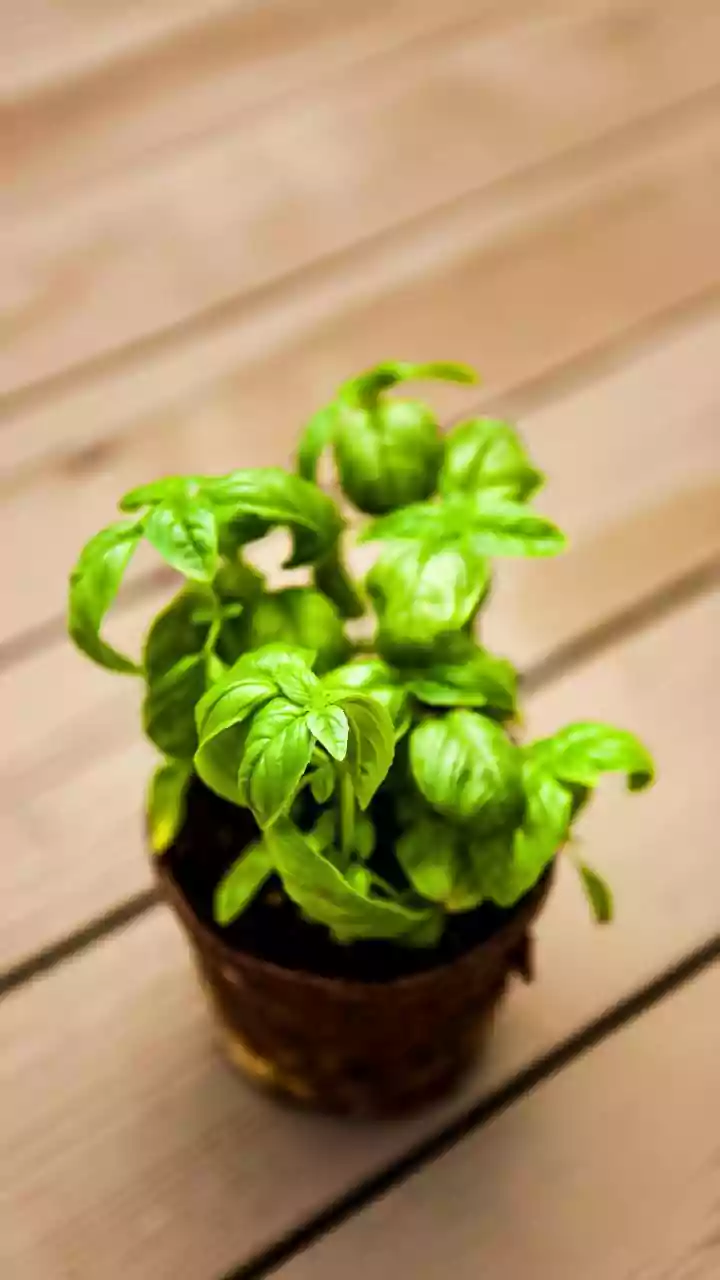
Once you know your light conditions, you can choose plants that will thrive. For a sunny, south- or west-facing balcony that gets over six hours of sun, consider sun-loving flowers like Petunias, Zinnias, and Geraniums, or edible plants like cherry tomatoes, chillies, and basil. If your balcony faces east or is partially obstructed, providing 4-6 hours of morning sun, you have a perfect spot for plants that enjoy partial shade. This includes leafy greens like lettuce and spinach, many herbs like mint, and colourful flowers like Begonias. For a north-facing or heavily shaded balcony with less than three hours of direct light, focus on foliage. Ferns, Spider Plants, and ZZ Plants can all bring lush greenery to a low-light space.
Mastering a Simple Watering Routine
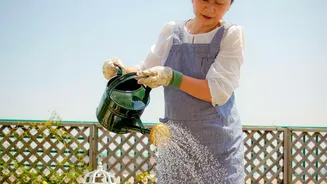
The most common mistake in balcony gardening is improper watering. Unlike plants in the ground, container plants dry out much faster due to sun and wind exposure. However, overwatering is just as deadly as underwatering. Instead of watering on a rigid schedule, check the soil first. The best method is the finger test: stick your finger about an inch or two into the soil. If it feels dry, it's time to water. Water deeply until you see it run out of the drainage holes at the bottom of the pot. This ensures the entire root ball is hydrated. Watering early in the morning is ideal, as it reduces evaporation and prepares the plant for the day's heat.
Pots and Soil Make a Difference
The foundation of a healthy container plant is its home. Always choose pots with drainage holes. Without them, water will pool at the bottom, leading to root rot. When it comes to size, bigger is often better. Smaller pots dry out very quickly and can restrict a plant's growth. For soil, avoid using heavy garden soil, which compacts easily in pots. Instead, opt for a quality potting mix. These mixes are specifically designed to be lightweight, retain moisture, and provide good aeration for plant roots, giving your balcony garden the best possible start.
Essential Care Beyond the Basics
As your plants grow in containers, they will eventually use up the nutrients in the soil. Feeding your plants with a suitable fertiliser every few weeks during the growing season will keep them healthy and productive. Also, keep an eye out for pests. Balcony gardens are less prone to some ground-dwelling pests, but it's still good to check your plants' leaves regularly. Finally, remember to prune or 'deadhead' flowering plants by pinching off spent blooms. This encourages the plant to produce more flowers instead of putting energy into making seeds.