




Your Urban Observatory
The thought of stargazing from a city like Mumbai or Delhi can seem impossible. The constant haze of light pollution often obscures all but the brightest stars and the moon. But don't be discouraged. The brightest planets in our solar system, particularly
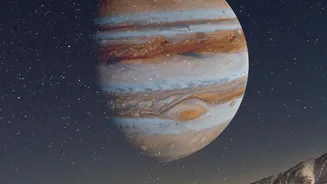
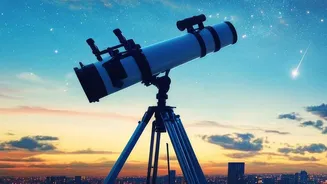
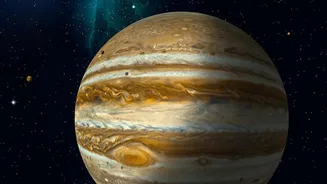
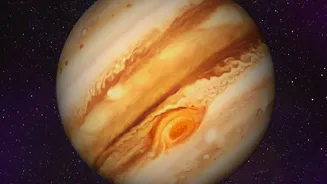
Jupiter and Saturn, are often powerful enough to punch through the urban glow. With a little planning and the right tools, you can turn your own rooftop, balcony, or a local park into a personal observatory. The key is not to expect pristine, inky-black skies, but to know what to look for and how to find it. Even amidst the urban sprawl, celestial wonders are visible.
The Planet Hunter in Your Pocket
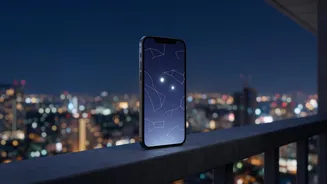
Forget complicated star charts. The most powerful tool for an aspiring urban astronomer is already in your hand: your smartphone. A new generation of stargazing apps acts as a virtual planetarium, using your phone's GPS and compass to show you exactly what's in the sky above you in real-time. Apps like SkyView Lite, Star Walk 2, and Stellarium Mobile are fantastic for beginners. You simply point your phone at the sky, and the app will identify stars, constellations, and most importantly, planets. Many even have an augmented reality (AR) mode that overlays the information on your camera's view, making identification effortless. Most of these apps offer excellent free versions that are more than capable of finding bright objects like Jupiter and Saturn.
When and Where to Look in September
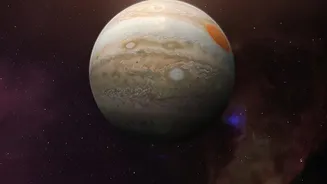
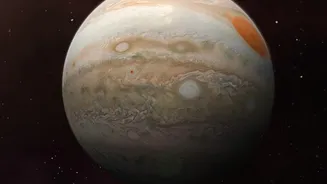
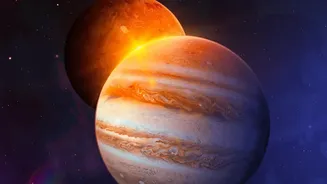
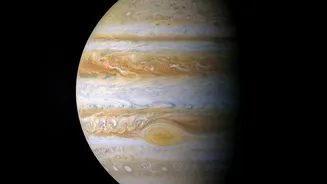
This September, both gas giants are putting on a show. Saturn, appearing as a steady, yellowish point of light, rises in the east shortly after sunset and remains visible for most of the night. Jupiter, which is much brighter, makes its grand entrance in the pre-dawn eastern sky, dominating the morning hours. Around September 8th, the crescent Moon will pass very close to Jupiter, creating a beautiful pairing in the early morning. You won't need to know exact coordinates; your chosen smartphone app will guide you. Just open the app, search for 'Jupiter' or 'Saturn', and an arrow will direct you where to point your gaze.
Tips for a Successful Rooftop Safari
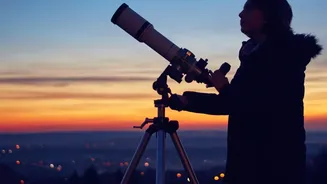
To maximise your chances of a great viewing, follow a few simple steps. First, find the best possible location. A rooftop or a high balcony is ideal, as it gets you above the most direct street-level glare. If you're heading to a park, find an open field away from bright lights. Second, give your eyes time to adjust. Spend at least 15-20 minutes in the dark, and avoid looking at your bright phone screen. Most stargazing apps have a 'night mode' which turns the interface red to preserve your night vision. Finally, be patient. Use your app to locate the planet's general position, then put your phone away and look for it with your own eyes.
Managing Your Expectations
So, what will you actually see? To the naked eye, Jupiter will appear as a brilliantly bright, steady, white star-like object—far brighter than any actual star in the sky. Saturn will be a distinctly bright, yellowish-white dot, also shining with a steady light that distinguishes it from the twinkling of distant stars. You won't be able to see Saturn's rings with the naked eye, but their presence contributes to its overall brightness. While a smartphone app can't make the planets themselves appear larger, it performs the magic trick of revealing their presence. It takes them from being anonymous points of light and turns them into known worlds, transforming your view of the city sky forever.