



Paradise and Pollution
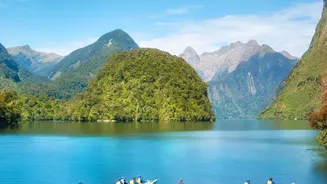
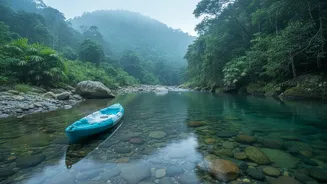
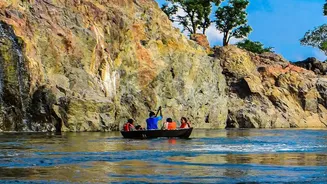
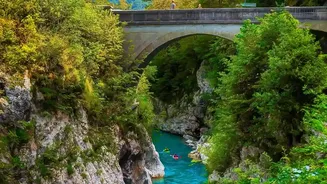
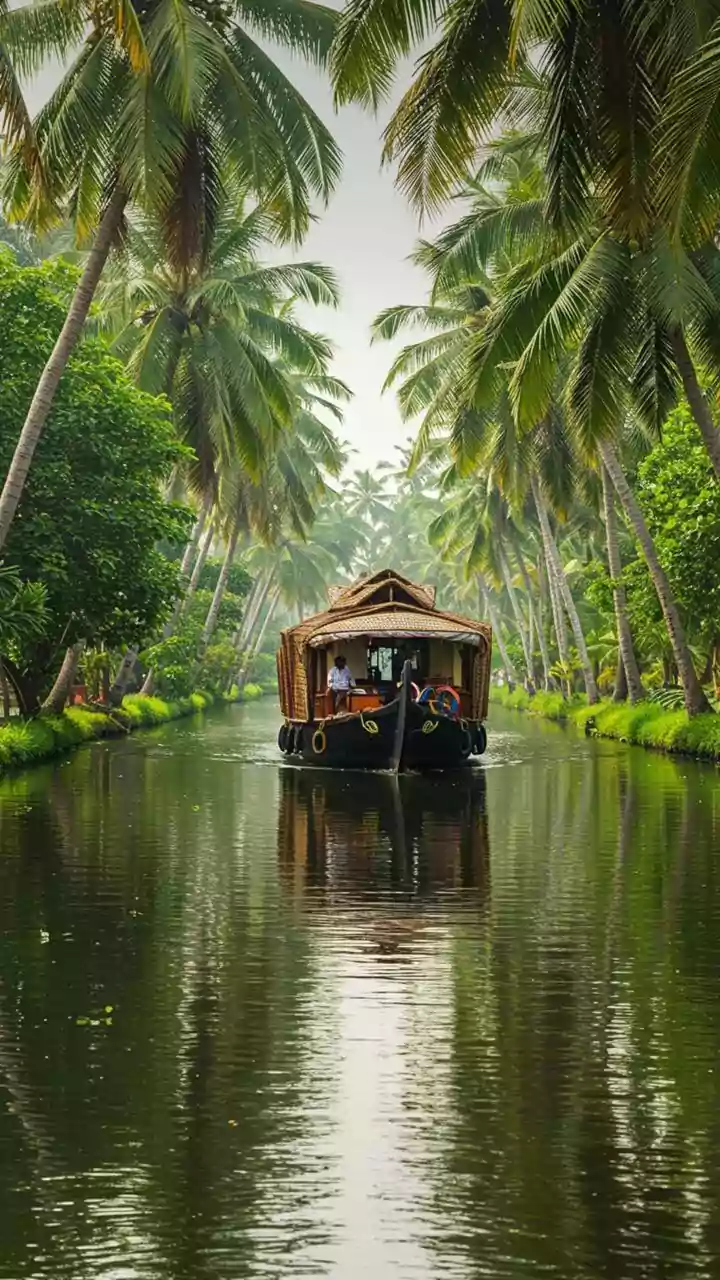
Meghalaya, the 'Abode of Clouds', is renowned for its stunning natural landscapes, attracting adventurers and nature lovers from around the globe. Its rivers, like the famous Umngot, are legendary for their crystal-clear waters, offering a glimpse straight
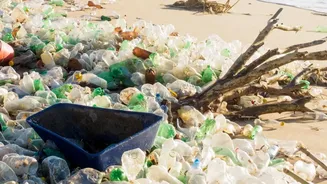
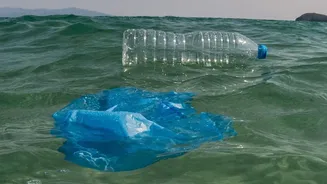
to the riverbed. However, this pristine image is under threat. Increased tourism and local habits have led to a surge in plastic pollution. Tonnes of plastic waste, from single-use bottles to food wrappers, find their way into these vital water systems, choking streams and sullying the very beauty that defines the region. The pollution not only mars the scenery but also poses a serious risk to aquatic ecosystems and the communities that depend on these rivers.
A Different Kind of Adventure
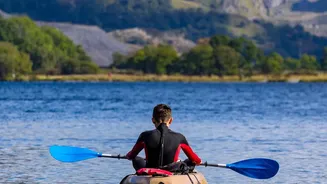
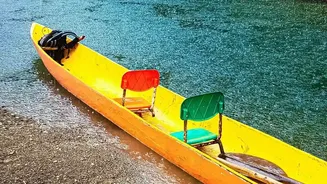
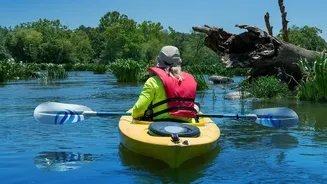
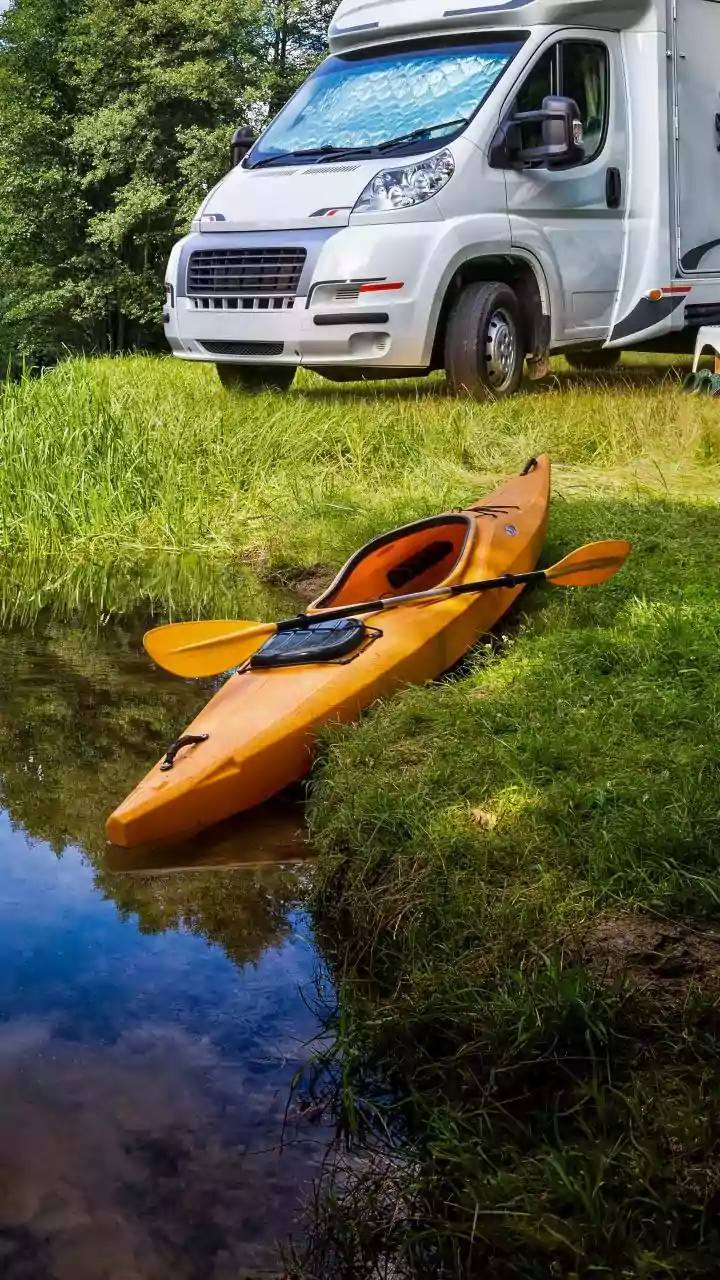
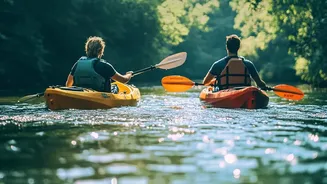
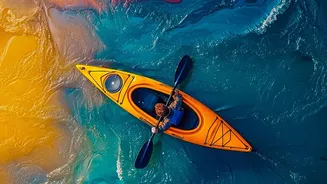
For the world-class whitewater kayakers who flock to Meghalaya's challenging rapids, the state's rivers offer an unparalleled thrill. But a growing number of these paddlers are combining their passion for adventure with a commitment to conservation. They are not just navigating the currents; they are actively cleaning them. Equipped with their kayaks, paddles, and a deep respect for the environment, these individuals and small groups venture into remote river corridors, many of which are inaccessible by foot, to tackle the plastic problem head-on. Their unique access allows them to reach parts of the river that conventional clean-up crews cannot.
The Plog-and-Paddle Method
The process is a blend of skill and determination. As they paddle through calm stretches and navigate challenging rapids, these eco-conscious kayakers spot and collect floating debris. Using their hands or simple grabbers, they stuff plastic bottles, bags, and other waste into mesh sacks or onto the back of their kayaks. It's a slow, painstaking process. A kayaker might spend an entire day on the water and emerge with several kilograms of trash. The collected waste is then hauled to the nearest road or village for proper disposal. This 'plogging' on water—a combination of paddling and picking up litter—turns every river expedition into a mission for environmental recovery. While some groups are organised, many of these efforts are informal, driven by the personal conviction of paddlers who feel a responsibility to protect the places they love.
Beyond the Cleanup
The impact of these kayakers goes beyond the plastic they remove. Their actions raise awareness among local communities and tourists alike about the fragility of these beautiful ecosystems. Many official clean-up drives, often involving local bodies and even AI-powered robotic boats, are focused on more accessible areas like Umiam Lake. The kayakers, however, highlight the pollution hidden in the state's wilder corners. Their work complements larger government and community initiatives, which include fencing off rivers to prevent dumping and launching 'green deposit' schemes for tourists. By documenting their clean-ups on social media, they bring global attention to a local problem, inspiring others to act and advocate for more sustainable practices. Their efforts are a powerful reminder that individual action, when combined with a deep connection to nature, can create waves of change.