


A Multisensory Experience
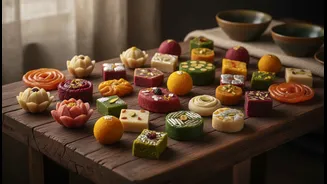
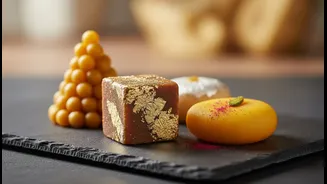
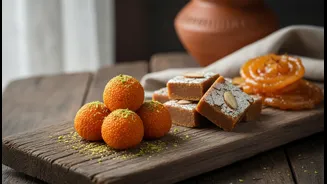
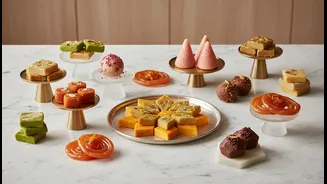
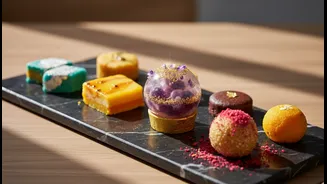
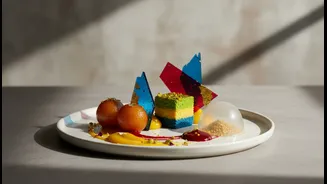
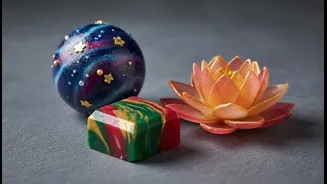
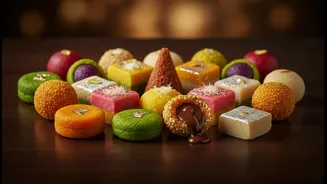
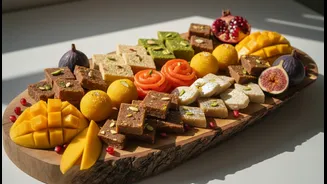
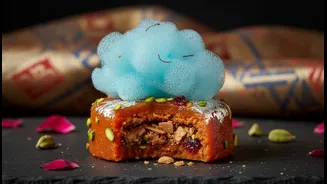
The era of simple, sugary mithai is evolving. Today’s sweet makers are thinking like pastry chefs, turning traditional treats into multi-sensory experiences. A 2026 food trend report highlights that modern mithai will feature exciting texture mashups
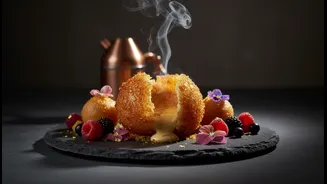
and adventurous flavour combinations designed for a globalised Indian palate. This isn't just about taste anymore; it's about the entire experience. Imagine a barfi that isn't just soft, but has a surprising crunch from seeds or nuts, or a ladoo with a molten Belgian chocolate centre. Brands are experimenting with superfoods like quinoa, chia seeds, and oats, adding both texture and a nutritional boost. The goal is to create a dynamic bite that keeps you coming back for more, moving far beyond the familiar.
The Rise of Global Flavours
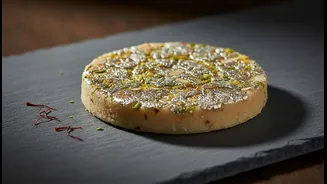
While classic ingredients like cardamom, saffron, and rose remain at the heart of mithai, they are now sharing the stage with international influences. This fusion of East and West is creating a new category of Indian sweets. Brands like Arq, co-founded by chefs Ashay Dhopatkar and Neha Lakhani, are guided by the artistry of French pastry. Their Besan Truffle, which reimagines a besan ladoo with a dark Belgian chocolate filling, is a perfect example of this cross-cultural creativity. Other makers are infusing mithai with flavours like coffee, blueberry, salted caramel, and even matcha. Delhi's Bhawan, for instance, aims to replace cravings for cupcakes with treats like Nutella peda and apple pie barfi, blending modern tastes with authentic halwai techniques.
Meet the Modern Mithaiwallas
A number of innovative brands are leading this sweet revolution. Bombay Sweet Shop in Mumbai is celebrated for its playful and inventive approach, creating everything from aam papad lollipops to a Mango & Matcha Rasgulla Tiramisu. Khoya in Delhi focuses on purity and elegance, using ancient recipes to create refined sweets like White Chocolate Aam Papad Barfi, all presented in chic, minimalist packaging. Gur Chini caters to the health-conscious, using natural sweeteners like jaggery and stevia to craft treats like Bavarian Chocolate Barfi and Pistachio Paan. These artisanal makers are changing the perception of mithai from a simple festive sweet to a gourmet product, with some even offering customised flavours and packaging.
A Taste of the Season
One of the most significant shifts is the move towards seasonal ingredients. Traditionally, many mithais were made to be shelf-stable. The new wave of creators, however, is embracing the freshness of the seasons, much like a farm-to-table restaurant. Summer might bring mithai infused with fresh mango, lychee, or rose, while winter could feature rich carrot-based desserts. Brands like Genda Phool seamlessly blend modern flavours with tradition, offering a Blueberry milk cake and a Hazelnut Pak. This focus on seasonality not only provides fresher, more vibrant flavours but also connects the sweets to a specific time and place, making them feel more special and less mass-produced. This approach highlights the natural bounty of different regions throughout the year.
Not Just Sweet, But Thoughtful
This evolution is driven by a changing Indian consumer. Today's buyers are more health-conscious, aesthetically driven, and have palates that appreciate complex, global flavours. This has led to a demand for mithai that is not only delicious but also thoughtfully made. Many brands now offer options that are low in sugar, vegan, gluten-free, or made with organic ingredients. The emphasis is on quality over quantity, with premium ingredients like single-origin chocolate, high-end nuts such as macadamias, and real fruit purees taking precedence. The new mithai is a lifestyle statement—a blend of heritage and luxury that feels both nostalgic and perfectly styled for today.