



The Urban Escape: Indoor Gyms
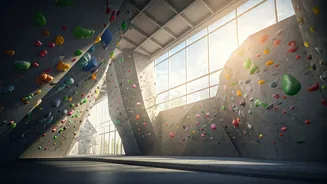
The most reliable way to get ‘rain ready’ is to head indoors. Over the past decade, India’s climbing scene has been transformed by world-class indoor gyms popping up in major cities. Places like Equilibrium Climbing Station in Bengaluru, BoulderBox in Delhi,
and the growing network of Climb Central gyms offer a fantastic alternative to wet rock. These spaces are not just for training; they are vibrant community hubs. You can work on your technique, build power on the bouldering walls and MoonBoards, and stay connected with fellow climbers. The controlled environment allows you to push your limits without worrying about a sudden downpour. For climbers in Mumbai, Pune, Delhi, and Bengaluru, an indoor gym membership is the single best investment for staying strong and motivated through the monsoon months. It ensures that when the outdoor season returns, you’re stronger than ever.
Malshej Ghat, Maharashtra: Bouldering in the Clouds
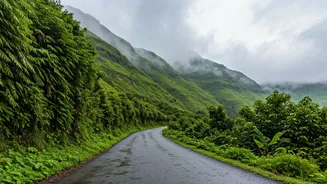
For those who crave the feeling of real rock, Malshej Ghat offers a unique monsoon bouldering experience. Situated a few hours from Mumbai and Pune, this area is famous for its misty mountains and gushing waterfalls during the rains. Tucked amidst this dramatic landscape is a field of basalt boulders. While climbing on wet rock is generally a bad idea, the local climbing community has identified problems that are either sheltered by overhangs or dry quickly between showers. The appeal here is less about ticking off high grades and more about the atmosphere—climbing in the cool mist, surrounded by lush greenery. The friction on the coarse basalt can be surprisingly good even in the humidity. However, this is a destination for the prepared: pack waterproofs, be ready for muddy approaches, and always go with someone who knows the area.
Badami, Karnataka: The Sandstone Sanctuary
Known as one of India's premier sport climbing destinations, Badami might seem like an odd choice for a monsoon list. Yet, its geology offers a distinct advantage. The iconic red sandstone cliffs feature numerous caves and steep overhangs that remain shielded from the rain. While the vertical faces will be soaked, climbers can find a surprising number of dry routes on the severely overhanging walls. The porous sandstone also dries remarkably quickly once the sun comes out. A trip to Badami during the monsoon requires flexibility; you’ll need to plan your climbing sessions around the weather. It’s a gamble, but for experienced climbers, the reward is getting to work on powerful, steep routes with fewer crowds than in the peak winter season. Always test holds and be mindful that wet sandstone can be fragile.
Sethan, Himachal Pradesh: High-Altitude Window
If you're looking to escape the oppressive heat and humidity of the plains, Sethan is your answer. Located at an altitude of over 2,700 metres near Manali, this hamlet is home to a sprawling field of granite boulders. The bouldering here is often compared to that of Castle Hill in New Zealand. While the main monsoon hits the Himalayas hard, Sethan's altitude means it often sits above the densest cloud cover. The weather is unpredictable, but it’s characterised by intense showers followed by periods of brilliant sunshine, during which the granite dries almost instantly. This provides clear 'climbing windows' for dedicated boulderers. The season is short, typically from May to October, with the monsoon period requiring patience and a keen eye on the forecast. The reward is world-class bouldering in a breathtaking alpine setting, with crisp air and stunning views of the Dhauladhar range.
Essential Monsoon Climbing Gear
Climbing in the monsoon isn't just about where you go; it's about what you bring. Your gear list needs a rainy-season upgrade. First, invest in a good pair of waterproof approach shoes to navigate slippery and muddy trails. Pack quick-drying synthetic clothes instead of cotton. A waterproof jacket is non-negotiable. For your chalk, consider using liquid chalk as a base layer, as it adheres better in humid conditions, and keep your chalk bag inside a dry bag or a ziplock when not in use. A small tarpaulin can be invaluable for keeping your rope and bags dry at the base of the crag. Finally, always carry a headlamp, as the sky can darken quickly and unexpectedly. Being prepared with the right gear turns a potentially miserable day into a successful one.