

The Iconic Roasted Corn (Bhutta)
Is it truly monsoon without the smoky aroma of bhutta? This street-side classic is more than just a snack; it's a seasonal ritual. Roasted over hot coals and slathered with a mix of lemon juice, salt, and chilli powder, corn on the cob is a simple pleasure
that defines rainy evenings. Beyond its nostalgic appeal, corn is a good source of fibre. As the season wanes, grab those last few fresh cobs from your local vendor. Enjoy them roasted, or boil the kernels to make a warm and tangy masala corn chaat with onions and tomatoes.
Hardy Gourds and Root Vegetables
The monsoon brings an abundance of gourds like bottle gourd (lauki), ridge gourd (turai), and bitter gourd (karela). These vegetables are staples in rainy season diets, traditionally valued for being easy to digest. They are perfect for light, comforting curries and stews that don't feel heavy in the humid weather. Stock up on these along with sturdy root vegetables like potatoes and yams (suran). They have a longer shelf life and form the base of many hearty, warming meals, from simple sabzis to nourishing soups.
Late-Season Fruits for Immunity
While mango season is largely over, the tail end of the monsoon offers its own fruity bounty. Look for pomegranates (anar), pears, and jamun (black plum). These fruits are packed with antioxidants and Vitamin C, which are traditionally believed to help bolster the immune system against seasonal colds and infections. Pomegranates are great for adding a jewelled crunch to salads and raitas, while jamun, with its distinct sweet and tart flavour, is a seasonal treat to be enjoyed on its own.
Your Kitchen's Spice Pharmacy
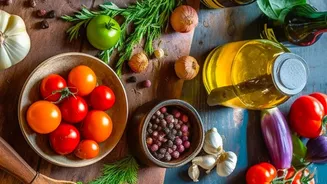
The damp, fluctuating temperatures of the monsoon can often lead to sniffles and coughs. Indian culinary wisdom has long relied on a core group of spices to combat this. Before the season changes, ensure your spice box is full of fresh ginger, garlic, turmeric, and black pepper. These ingredients are famed for their anti-inflammatory and antibacterial properties. A hot cup of adrak chai (ginger tea) is the quintessential monsoon beverage for a reason, offering warmth and soothing relief. Turmeric, especially when combined with black pepper, can be added to dals and milk to help ward off infections.
Lentils and Pulses for Comfort
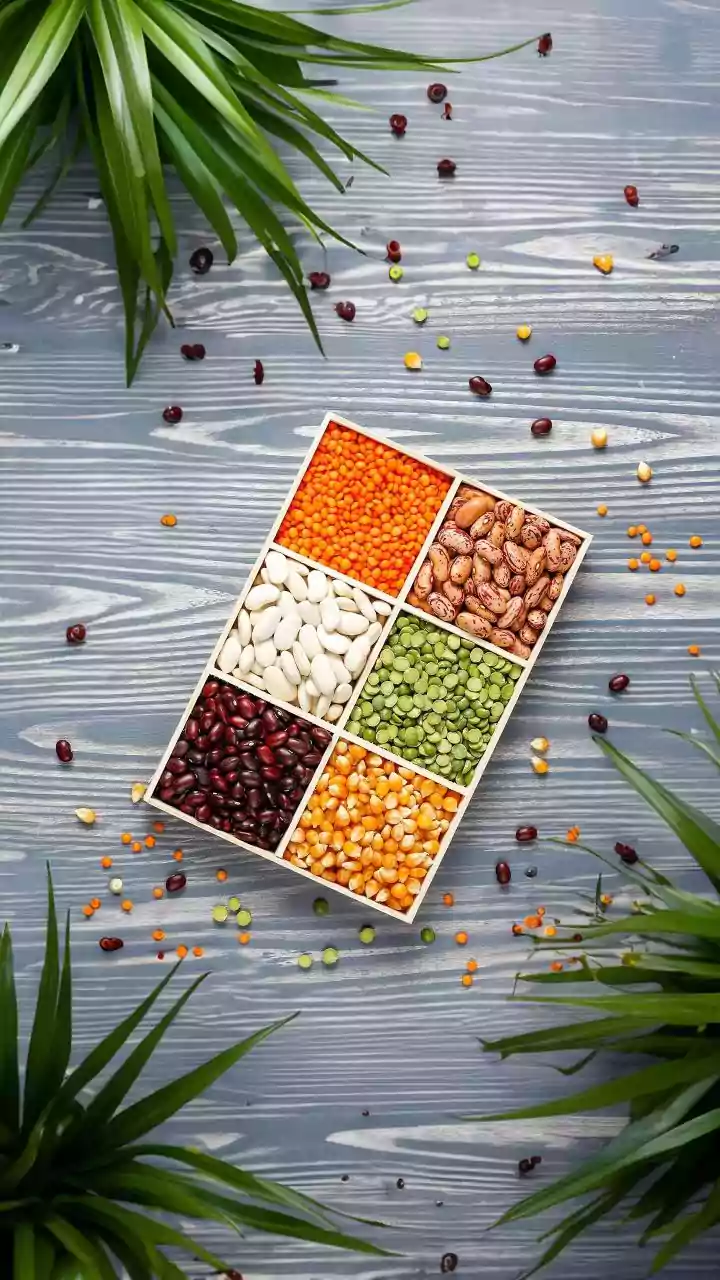
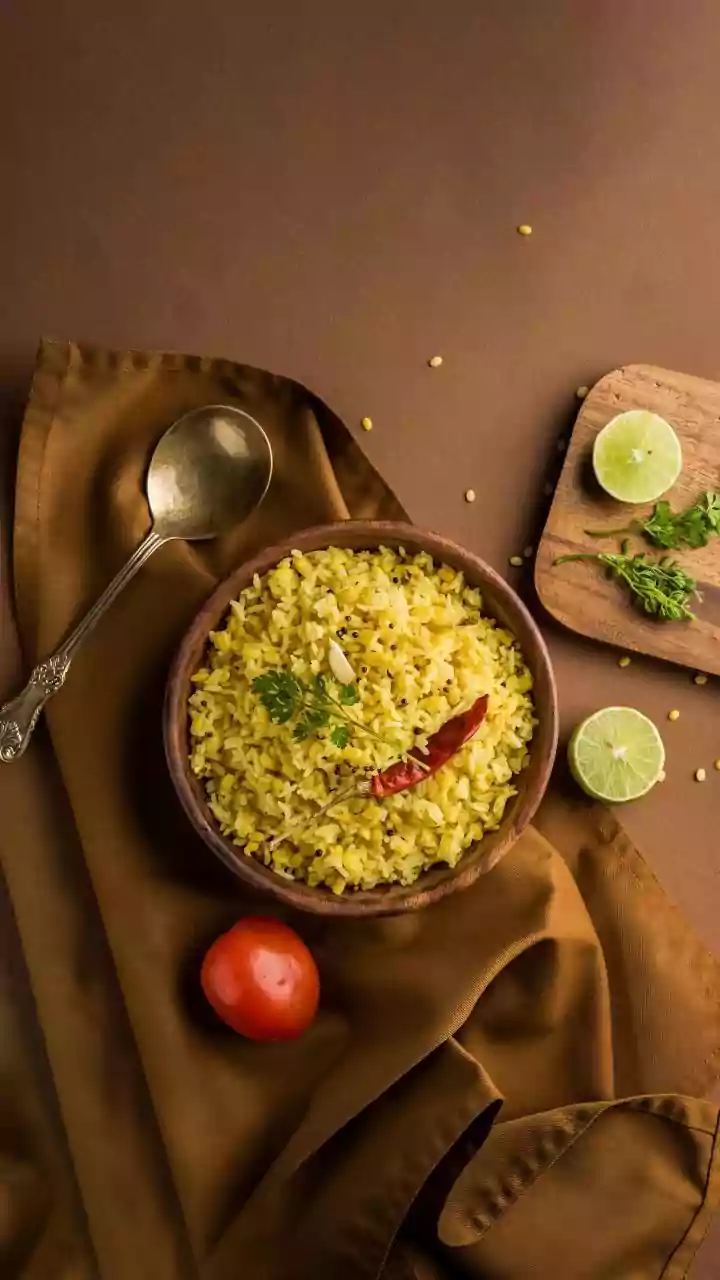
There is nothing quite like a steaming bowl of dal or khichdi on a rainy day. Lentils and pulses are pantry essentials year-round, but they become especially important during the monsoon. Stocking up on varieties like moong, masoor, and toor dal ensures you always have the makings of a quick, nutritious, and deeply comforting meal. Moong dal, in particular, is known for being light and easy on the digestive system. A simple khichdi, made with rice and lentils and served with a spoonful of ghee, is the ultimate monsoon comfort food.
Flours for Fritters and More
The craving for something hot, crispy, and fried is almost universal when it rains. This is the time to ensure you have a good supply of besan (gram flour) and rice flour. These are the key ingredients for making classic monsoon snacks like pakoras and bhajiyas. Whether it's the popular onion pakora or a mixed vegetable version, these fritters are a beloved indulgence. Having the flours on hand allows you to whip up a fresh, homemade batch, which is often a safer and healthier alternative to street-side options during this season.