






The Great Streaming Divide
The rise of streaming platforms has fundamentally altered how we consume movies. With endless content available for a flat monthly fee, services like Netflix have made home viewing the default for many. A 2026 survey highlights this preference, with 46%
of respondents favouring streaming at home compared to just 15% who prefer cinemas for their regular movie-watching. This convenience and affordability have created a clear split: mid-budget dramas, comedies, and smaller independent films now frequently debut directly on streaming platforms. In contrast, multiplexes have become the primary domain of the 'event film'—the big-budget blockbuster that promises an experience you simply can't replicate on your television. This shift means studios are increasingly focusing their theatrical efforts on franchises and visual spectacles they believe can coax people off their couches.
More Than Just a Bigger Screen
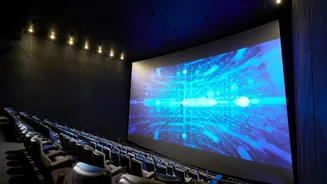
The modern multiplex is selling an experience, not just a movie. Premium Large Formats (PLFs) like IMAX, Dolby Cinema, and 4DX are central to this strategy. These formats offer tangible upgrades: immense screens, immersive Dolby Atmos sound systems, and even motion seats with environmental effects that transform a film into a sensory event. Audiences have proven they are willing to pay higher ticket prices for this elevated experience. For major releases, PLFs can account for a huge portion of the box office. For example, half of the opening-weekend audience for Christopher Nolan's 'The Odyssey' chose a premium format. This trend shows that when given a compelling reason, viewers will choose the premium option, reinforcing the multiplex's role as a destination for unparalleled audio-visual immersion.
The Psychology of a Shared Event
Beyond technology, there's a powerful psychological component to visiting a cinema. Watching a highly anticipated film in a dark room full of strangers creates a unique, shared emotional experience. Laughter becomes more infectious, suspense more palpable, and emotional moments more resonant when experienced collectively. This communal aspect turns a movie premiere into a cultural event, driven by a fear of missing out and the desire to be part of a larger conversation. Going to the movies is a planned outing, a deliberate act of entertainment that carries more weight than casually pressing 'play' at home. This event-driven mindset is precisely what multiplexes now cater to, positioning themselves not just as venues but as hosts of memorable, communal moments that streaming cannot replicate.
The Deliberate Economics of Choice
With the average movie ticket in 2026 costing over $13, and premium tickets nearing $18, audiences are making a conscious financial calculation. Why spend that amount on a single film when a monthly streaming subscription costs less and offers a vast library? The answer lies in perceived value. For a film to justify the theatrical price tag, it must offer something extraordinary. This is where visual spectacles have a distinct advantage. Massive action sequences, breathtaking CGI worlds, and stunning cinematography are designed to be overwhelming on a giant screen. Audiences see these films as a better return on their investment for a trip to the multiplex. Conversely, a quiet drama or a simple comedy may not feel 'worth it' when it can be enjoyed at home for a fraction of the cost just a few weeks later.
Hollywood's Billion-Dollar Bet
Recognizing this audience behaviour, Hollywood studios have adjusted their strategies accordingly. They are doubling down on what works theatrically: massive, spectacle-driven tentpole films built around established franchises and intellectual property. These 'global blockbusters' are designed with an international audience and premium formats in mind from their inception. While this has led to a more risk-averse environment with fewer mid-budget films getting theatrical releases, it's a direct response to consumer habits. The industry is betting that by focusing on creating undeniable cinematic events, they can ensure the survival and relevance of the multiplex in an era dominated by at-home convenience. The theatre is no longer for every movie; it is for the movies that demand to be seen on the biggest screen possible.