






The Ingredients Are Just the Start
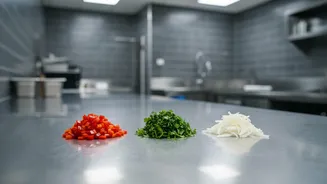
The first thing to understand is a concept called “food cost.” In the restaurant industry, this is the percentage of a dish's menu price that is spent on the raw ingredients. For most restaurants, this figure sits somewhere between 28% and 35%. That means
for a dish that costs ₹1,000, only about ₹280 to ₹350 accounts for the actual food on the plate. If a restaurant's food cost creeps much higher, it can signal trouble, while a much lower cost might mean they are compromising on quality. This percentage alone shows that roughly two-thirds of what you pay for has nothing to do with the ingredients themselves.
You're Paying for People, Not Just the Plate
The single biggest expense for most restaurants after the food itself is labour. This isn’t just the salary of the talented chef who designed and cooked your meal. It includes the entire team that makes the dining experience possible: the sous chefs, the line cooks, the servers who take your order, the hosts who greet you, the bartenders mixing drinks, and the cleaning crew who work after everyone has gone home. These costs also include training, uniforms, overtime, and benefits. In a people-intensive business like food and beverage, hours of managerial time are spent on scheduling, payroll, and hiring, all of which are factored into the price of your meal.
Keeping the Lights On and the Doors Open
Next come the overheads, which are all the costs required to simply exist as a business. Rent is a massive factor, especially in prime locations in major cities. Then there are the relentless utility bills: electricity for the lights and refrigerators, gas for the stoves, and water for cooking and cleaning. Add to that insurance, licensing fees, and the cost of maintaining compliance with health and safety regulations. Restaurants also have to spend on marketing and advertising to attract customers in the first place. These indirect costs are invisible to the customer but are a significant drain on the restaurant's finances, all of which need to be covered by the menu prices.
The Price of a Perfect Experience
You’re not just paying for food; you're paying for an experience. That includes the ambiance, the decor, the comfortable seating, the clean washrooms, and the quality of the plates and cutlery. It also includes the cost of the professional-grade kitchen equipment—ovens, freezers, and specialized tools—and its regular maintenance. There's also the unavoidable cost of food waste. Not every ingredient purchased makes it to a plate; some may spoil, a dish might be prepared incorrectly, or an order could be sent back. These losses, known as scrap or rework, are built into the overall pricing structure to ensure the business remains viable.
Commissions, Taxes, and the Final Profit
In the modern era, there are even more costs. If you order via a delivery app, the restaurant might pay a commission of 25-30% on your order, which drastically eats into their earnings for that meal. Then there’s GST, which is included in the menu price but goes to the government. After all these expenses are paid—ingredients, labour, rent, utilities, marketing, and taxes—the restaurant is left with its net profit. For most establishments, this is a surprisingly thin margin, often in the range of just 3-5%. That small sliver is what allows the business to survive, invest in improvements, and hopefully, continue to serve you delicious meals.