





The Allure of Connecting with the Ground
There’s a certain magic to walking barefoot. Proponents, from wellness influencers to seasoned podiatrists, often highlight a range of benefits. The practice, sometimes called 'grounding' or 'earthing', is said to enhance our sensory awareness, improve
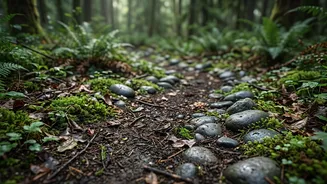
balance by strengthening small muscles in the feet, and promote a more natural gait. When feet are freed from the confines of structured shoes, they can move more naturally, which can lead to stronger muscles and better stabilization. Some small studies even suggest that direct contact with the earth's surface can reduce pain and inflammation, though more research is needed to confirm these effects. Beyond the science, there's an undeniable simple pleasure in the direct connection to the trail — feeling the cool mud, soft moss, and textured earth.
Beyond Sticks and Stones
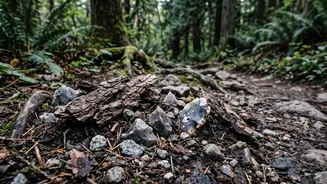
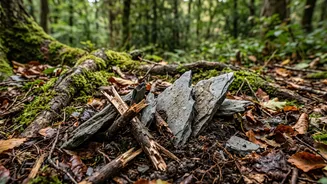
When we think of trail hazards, our minds often go to jagged rocks or pointy sticks. While these are certainly present, the greater danger often lies in man-made debris. Urban and suburban trails can be littered with hazards like broken glass, discarded metal shards, and even old nails. These objects are not a natural part of the landscape and our feet are not evolved to handle them. Even on remote trails, the unexpected can appear. A search of online forums reveals hikers encountering everything from discarded roadway reflectors to other mysterious metal and glass objects. Natural sharps also pose a threat; certain types of rock like slate can have razor-thin edges, and tough thorns from plants like hawthorn or bramble can easily penetrate the skin.
The Anatomy of a Puncture Wound
The primary danger from a sharp object isn't just the cut itself, but the depth of the injury. A simple cut or abrasion is a surface-level wound, but a puncture from stepping on a nail, a shard of glass, or even a hardened thorn is entirely different. Puncture wounds have a small entry point but can be deceptively deep. They often don't bleed much, which can lead people to underestimate their severity. The real issue is that the piercing object can drive dirt, debris, and bacteria deep into the foot's tissue. Pieces of your sock, shoe rubber (if you were wearing minimalist footwear), and soil can become embedded far beneath the skin, creating a perfect breeding ground for infection.
Infection: The Invisible Threat
Any break in the skin provides an entry point for bacteria, but puncture wounds are particularly dangerous. The narrow channel of a puncture can seal over quickly, trapping bacteria inside. This can lead to serious infections like cellulitis (a bacterial skin infection) or an abscess. If the object was rusty or contaminated with soil, there is a significant risk of tetanus, a serious nerve condition, which is why keeping up-to-date on tetanus shots is crucial. In worst-case scenarios, an untreated infection can penetrate all the way to the bone, causing a severe condition called osteomyelitis, which can lead to joint damage or even the death of bone tissue. This risk is amplified for individuals with conditions like diabetes, who may have reduced sensation and slower healing, making even a small, unnoticed wound a major medical event.
Hiking Smarter, Not Harder
Acknowledging the risks doesn't mean you have to abandon the idea of barefoot hiking entirely. It simply calls for a more mindful approach. Start slowly and on forgiving surfaces like grassy fields or sandy beaches to allow your feet to adapt. When you do hit the trails, choose them wisely. Opt for well-maintained paths where you can clearly see the ground. Always carry a well-stocked first-aid kit with antiseptic wipes, bandages, and tweezers. Pay close attention to where you step, and don't let shod hiking partners set a pace that feels unsafe for you. For more challenging or debris-strewn terrain, consider minimalist 'barefoot' shoes. They offer a layer of protection against sharps while still allowing for a high degree of ground-feel and natural foot movement.