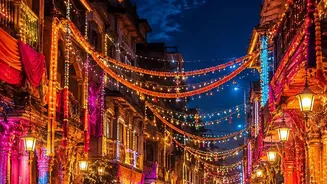


As Ayodhya prepares for its grandest festival, Deepotsav, millions of lights will soon illuminate the ancient city. Here is your essential guide to navigating the 2026 celebrations, from travel and lodging to experiencing the divine spectacle.
Understanding the Main Event
Ayodhya
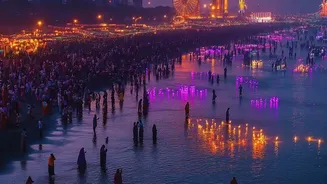
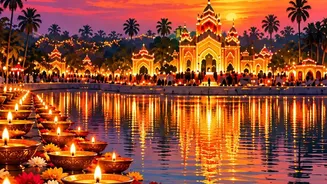
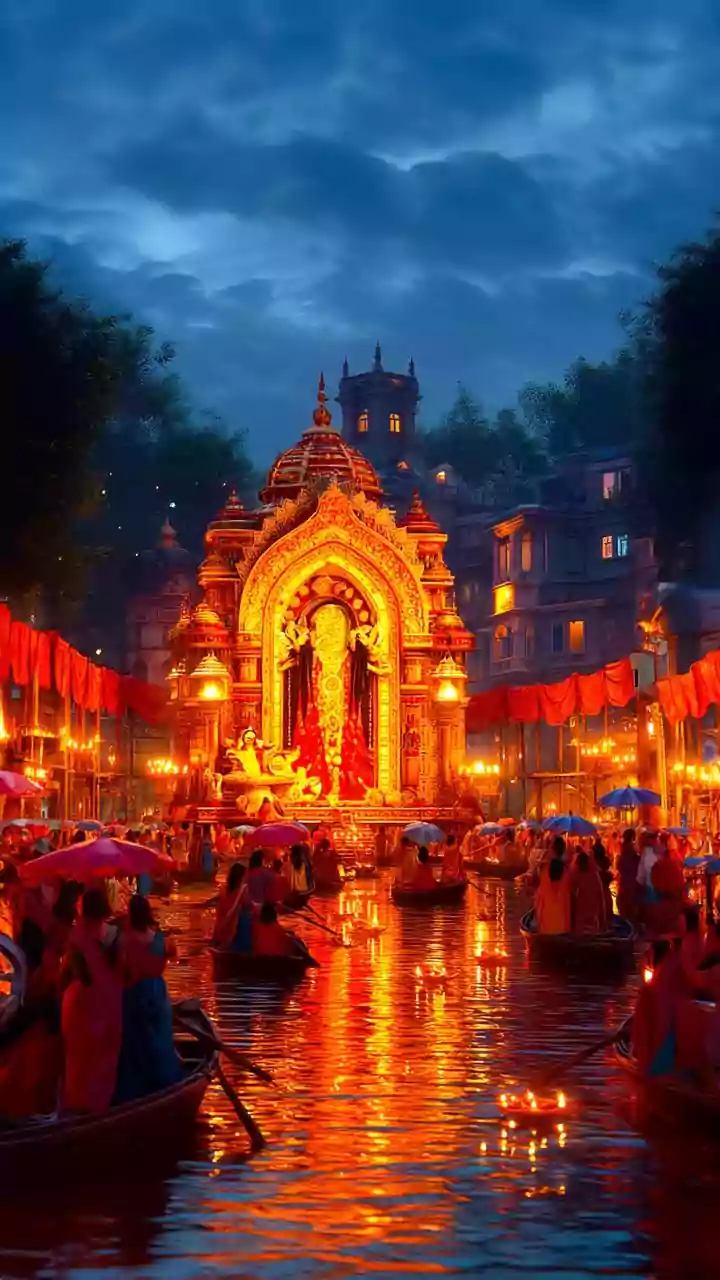
Deepotsav commemorates the return of Lord Ram to his kingdom after 14 years of exile. The highlight is the mass lighting of millions of earthen lamps, or diyas, along the ghats of the Saryu River, particularly at Ram Ki Paidi. The 2026 event is expected to be the tenth edition and aims to surpass previous Guinness World Records, with plans to light over 3.3 million diyas. The main lamp-lighting ceremony is scheduled for the evening of November 7, 2026, which is Chhoti Diwali, the day before Diwali itself. The festivities also include grand processions, cultural programs, Ramleela performances, and spectacular laser and drone shows over the river.
How to Reach Ayodhya
Ayodhya is now well-connected by air, rail, and road. The nearest airport is Maharishi Valmiki International Airport (AYJ), located within the city and connected to major hubs like Delhi and Mumbai. Alternatively, Lucknow's Chaudhary Charan Singh International Airport is about 135 km away and offers more flight options. By train, Ayodhya Dham Junction and Ayodhya Cantt are the two main railway stations, with direct services from cities like Delhi, Lucknow, and Kolkata. Indian Railways often runs special festival trains to manage the rush. Road travel is also feasible, with regular bus services and taxis available from nearby cities like Lucknow, Varanasi, and Gorakhpur.
Booking Your Accommodation
Finding a place to stay during Deepotsav requires planning, as hotels and dharamshalas get booked out months in advance. The most convenient locations are near Ram Path, Naya Ghat, and Ram Ki Paidi, but these are also the first to fill up. Ayodhya Cantt (formerly Faizabad), a few kilometres away, offers more choices. Accommodation ranges from budget-friendly dharamshalas and guesthouses to mid-range and luxury hotels. Prices surge during the festival period, so booking as early as possible is highly recommended to secure a good room at a reasonable rate. Various travel portals and even the Uttar Pradesh government offer special tour packages that bundle accommodation with transport and guided tours.
Navigating the City and Crowds
Expect significant crowds and traffic restrictions, especially on the main event day. The primary modes of local transport are e_rickshaws and walking. To witness the main diya lighting, head to Ram Ki Paidi, but be prepared for large crowds and security checks. Some viewing areas might require special passes, which are announced by the local administration closer to the date. For a slightly less crowded experience, consider Guptar Ghat, which is also beautifully illuminated but quieter than the main ghats. Extensive arrangements for sanitation, drinking water, and mobile toilets are typically made by the city.
Darshan at Ram Mandir and Other Temples
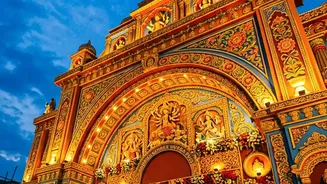
A visit to the newly consecrated Ram Mandir is a priority for most visitors. Be aware of the temple's darshan timings, which are adjusted for the winter season from November 1. It's advisable to visit early in the morning to avoid the heaviest rush. Devotees are required to wear traditional attire; short or revealing clothes are not permitted. Mobile phones and other electronics must be deposited in lockers before entering. Remember that you no longer need a separate pass for Ram Darbar on the first floor. Other important temples to visit include Hanuman Garhi, which offers a panoramic view of the city, and the serene Kanak Bhawan.
Practical Tips for Your Trip
Book your travel tickets and accommodation at least one or two months in advance. A threerday itinerary is ideal to experience the festivities without rushing. Plan to arrive a day before the main Deepotsav evening to settle in. Pack light, wear comfortable footwear for walking, and be mindful of your belongings in crowded areas. While security is tight, it's always wise to be cautious. For aarti passes at the Ram Mandir, check the official Shri Ram Janmabhoomi Teerth Kshetra Trust website, though passes are not required for all aartis. Lastly, check official announcements from the UP tourism department or district administration for any final schedule and any access restrictions before you travel.