


A New Era of Non-Stop Connectivity
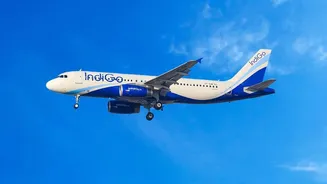
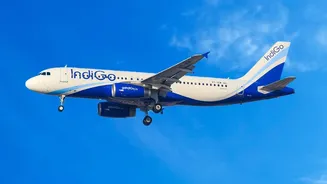
The year 2026 is shaping up to be a landmark for Indian aviation, with both domestic and international carriers launching a host of new direct routes. Travellers can look forward to more convenient options to Europe, Asia, and beyond. IndiGo, for instance,
has launched direct flights from both Delhi and Mumbai to Athens, Greece, using its new Airbus A321XLR aircraft. This new generation of narrow-body planes is a game-changer, allowing airlines to open up longer routes that were previously not viable without wide-body jets. Further strengthening European connections, SWISS International Air Lines has announced a new direct service between Bengaluru and Zurich. Meanwhile, Air India has been bolstering its network, launching a non-stop service between Mumbai and Tokyo's Haneda Airport and restoring key routes such as Delhi to Rome. The expansion isn't limited to legacy carriers; Air India Express has been adding direct connections from non-metro cities like Indore to Abu Dhabi, offering more options to travellers from central India. These new services significantly cut down on the traditional multi-leg journeys that often added four to eight hours of transit time.
The Strategy: Building India as a Global Hub
This expansion is not a random collection of new routes; it's part of a deliberate national strategy to establish India as a major global aviation hub. The government, in coordination with airlines, is developing a 'hub-and-spoke' model to rival established transit points like Dubai, Doha, and Singapore. The plan involves designating key airports like Delhi, Mumbai, Bengaluru, and eventually others, as primary hubs. Passengers from smaller, 'spoke' cities can fly into these hubs and transfer seamlessly to international flights without the current hassle of collecting baggage and clearing customs again. Air India has already launched 'Easy Connect' flights from cities like Varanasi and Amritsar, routing passengers through Delhi to dozens of international destinations. This model aims to recapture the significant portion of Indian international traffic currently transiting through foreign airports, a move that could contribute an additional USD 30 billion to the Indian economy by 2030.
Fleet Modernisation and the Airline Battle
Underpinning this ambition is a massive investment in modern, long-range aircraft. After being acquired by the Tata Group, Air India placed a record-breaking order for 470 new aircraft from Airbus and Boeing. It is also in talks for up to 100 more wide-body jets to fuel its international expansion. The airline has been focused on retrofitting its older planes and deploying new aircraft with modern cabins, including Premium Economy, on key routes to North America and Europe. But Air India isn't the only one with global ambitions. IndiGo, India's largest domestic carrier, is making a serious play for the long-haul market. While it awaits its first wide-body Airbus A350 aircraft, expected from 2028, it has been using its new A321XLR planes to launch direct routes to Europe, such as the one to Athens. This two-pronged approach from India's biggest airlines is creating intense competition, not just between themselves, but also with the international carriers that have long dominated India's overseas traffic.
What This Means for the Indian Traveller
For the average Indian traveller, this shift translates into tangible benefits. The most obvious is the time saved. For example, the resumption of non-stop Air India flights to New York and Newark from Delhi and Mumbai has cut travel time from around 22 hours to just 17 hours by eliminating a refuelling stop in Rome. Beyond convenience, increased competition and the use of more fuel-efficient aircraft have the potential to make international travel more affordable. The expansion also means greater connectivity for those living outside major metro areas. New direct flights from cities like Indore and Guwahati, and the hub-and-spoke model connecting regional airports, mean that travellers from across the country will have easier access to the global network. This development signals a coming-of-age for the Indian aviation market, empowering passengers with more choice, greater convenience, and a direct window to the world.