
The Post-Walk Drying Ritual
This is the most critical and non-negotiable habit. Fungi, especially yeast, thrive in warm, moist environments. The spaces between your dog's paw pads are the ideal place for an infection to start if left damp. After every single walk, no matter how
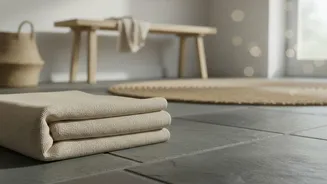
short, you must thoroughly dry your dog’s paws. Use a clean, absorbent microfiber towel and be meticulous, ensuring you get between each toe. For dogs with thick or long coats, a towel alone might not be enough; a pet-safe hairdryer on a low, cool setting can help remove hidden moisture from the undercoat and skin. This simple five-minute routine is the single best defence against monsoon-related paw problems.
Clean Paws, Happy Dog
Drying is essential, but you first need to remove the source of the problem. Muddy water and damp streets can be full of contaminants. A simple rinse with clean, lukewarm water is often sufficient to wash away dirt and potential irritants. For a more thorough clean, you can use a vet-approved pet-safe antiseptic cleanser or dog-specific grooming wipes. Avoid using human soaps or baby wipes, as they can contain fragrances or chemicals like propylene glycol that may irritate your dog's skin. Focus on gentle cleaning; the goal is to remove grime without stripping the natural oils that protect their paw pads.
Conduct a Daily Paw Inspection
Make checking your dog’s paws part of your daily routine, just like feeding them. This allows you to catch problems before they escalate into painful infections. Gently spread their toes and look for any signs of trouble. Key warning signs of a fungal infection include redness, inflammation, or swelling. You might also notice your dog excessively licking or chewing at their paws, which is a major red flag. Another tell-tale symptom is a distinct, musty odour, sometimes described as smelling like corn chips, which is often associated with yeast overgrowth. Brownish discolouration of the fur around the pads is also a sign of chronic licking and yeast.
Keep Paw Hair Neatly Trimmed
For dogs with longer coats, the fur that grows between their paw pads can act like a sponge, trapping moisture, mud, and debris. This not only makes drying them more difficult but also reduces airflow, creating the perfect damp environment for fungi to multiply. Keeping this hair trimmed short and neat is a simple grooming task that has a big impact on paw health. It allows the paws to dry faster and prevents irritants from getting tangled and held against the skin. If you are not comfortable doing this yourself, a professional groomer can do it safely.
Consider Protective Gear and Balms
Prevention can start before you even step outside. For dogs that tolerate them, waterproof booties offer the ultimate protection, keeping paws completely dry and clean. However, not all dogs will accept footwear. An alternative is to use a paw balm or wax. Applying a quality paw balm before a walk creates a protective barrier on the pads, and applying it after cleaning and drying can help soothe and moisturise the skin, preventing the cracks that can invite infection.
Support Skin Health from the Inside
While external care is crucial, a dog's overall health is reflected in their skin and coat. A balanced, nutrient-rich diet helps support a strong immune system, which is the body's first line of defence against infections. Some vets suggest that diets can play a role in managing the recurrence of yeast infections. Ensuring your dog has a healthy diet can contribute to more resilient skin, making it harder for fungal infections to take hold, even in the challenging monsoon conditions.