







Jamun: The Low-Calorie Powerhouse
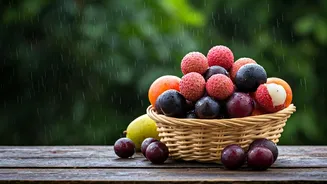
The quintessential monsoon fruit, Jamun (or Indian blackberry) is a must-have. Its arrival signals the peak of the rainy season, and for good reason. Jamuns are low in calories but packed with essential nutrients like iron, potassium, folate, and vitamins.
Their astringent properties are known to aid digestion and soothe stomach issues, which can be common during this season of high humidity. Jamun is particularly celebrated for its benefits in managing blood sugar levels, thanks to its low glycemic index, making it a great choice for many. Its antibacterial and immunity-boosting properties, rich in Vitamin C, help the body fend off common colds and infections.
Plums: The Fibre-Rich Protectors
These juicy, vibrant fruits are not just a treat to the eyes but also a boon for your health. Plums are an excellent source of dietary fibre, which is crucial for maintaining a healthy digestive system and preventing constipation, a common woe when our metabolism slows down in humid weather. They are loaded with Vitamin C, which strengthens the immune system to fight off seasonal ailments like the flu. The reddish-blue pigment in plums comes from anthocyanins, powerful antioxidants that may help protect the body's cells from damage. Enjoy them fresh to get the most out of their nutritional benefits.
Litchi: The Hydrating Immunity Booster
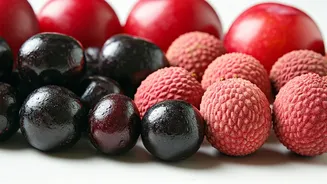
Sweet, juicy litchis are a monsoon favourite that do more than just satisfy your sweet tooth. They are packed with Vitamin C and antioxidants that play a crucial role in strengthening the immune system. This helps your body resist common infections that are rampant during the rains. Litchis also have a high water content, which helps you stay hydrated. The fibre present in litchis can aid with digestion and combat issues like acidity. While they are a delicious and healthy snack, it's best to enjoy them in moderation.
Cherries: The Antioxidant-Rich Jewels
Available in abundance during the monsoon, these glossy red fruits are packed with powerful antioxidants, such as anthocyanins, which help reduce inflammation and fight infections. Cherries are low in calories and a good source of fibre. They contain melatonin, which may help improve sleep quality. Their nutrient profile also supports heart health and can help in managing blood pressure. Whether eaten fresh or added to your morning yoghurt, cherries are a delicious way to keep your health in check.
Peaches: The Skin and Gut Savers
Known as the 'Fruit of Calmness' in some cultures for their stress-relieving properties, peaches are a fantastic monsoon fruit. They are high in fibre, which promotes good gut health and smooth digestion. Peaches are also rich in Vitamins A and C, which are essential for maintaining healthy, glowing skin, often a challenge in the humid monsoon weather. Vitamin C, in particular, boosts immunity, providing an extra layer of protection against seasonal illnesses.
Pomegranates: The Ruby-Red Warriors
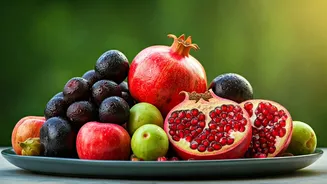
Pomegranates are one of the healthiest fruits you can eat, and they are especially beneficial during the monsoon. Their ruby-red seeds are bursting with powerful antioxidants that possess anti-inflammatory and antiviral properties, helping your body combat infections like the cold and flu. These fruits are also a great source of vitamins that boost overall immunity. Pomegranates support heart health and aid in improving blood circulation, keeping you energetic during a season that can often feel sluggish.