





What Exactly Are Compression Cubes?
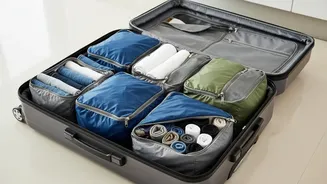
Think of a compression cube as a supercharged version of a regular packing cube. While standard cubes are fabric organisers that help you sort clothes into neat compartments, compression cubes have a secret weapon: a second zipper. You pack your clothes inside,
close the main zipper, and then zip the second, outer zipper. This outer track is designed to squeeze the cube, forcing out trapped air and reducing the overall volume of the contents. The result is a firmer, flatter block of clothing that takes up significantly less room in your suitcase. They are typically made from durable, lightweight materials like nylon, which often adds a layer of water resistance to protect your clothes.
The Real Magic: It's Volume, Not Weight
Here is the most important thing to understand about compression cubes: they do not make your clothes lighter. The headline can be a bit misleading; these cubes help you manage carry-on space, not weight. By compressing a bulky sweater or a stack of T-shirts, you are simply removing the air between the fabric fibres. The sweater itself still weighs the same. This distinction is critical when packing for flights with strict carry-on weight limits. The temptation is to use the extra space to pack more items, which can easily push your bag over the allowed weight. A compression cube solves a space problem, not a weight problem.
Best Practices for Smart Compression
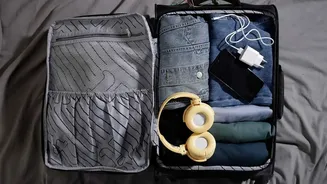
To get the most out of your cubes, a little technique goes a long way. Start by rolling your clothes tightly. Rolling not only saves space but also helps minimise wrinkles, a common concern with compression. Pack the cube snugly but evenly, ensuring there are no major lumps. This helps the compression zipper close smoothly without snagging. Use compression cubes for their intended purpose: shrinking soft, bulky items. They work wonders on puffer jackets, sweaters, fleece, and jeans. For more delicate or structured items like blazers or formal shirts, a regular packing cube is often a better choice to avoid excessive creasing. Many savvy travellers use a mix, with one or two compression cubes for the bulky stuff and regular cubes for everything else.
Beyond Space: The Other Perks
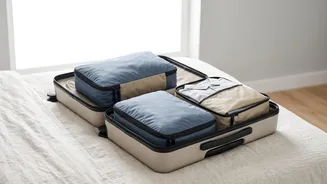
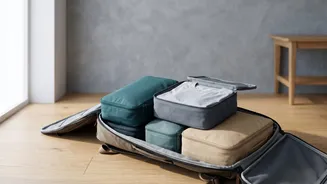
The primary benefit is saving space, but compression cubes offer other advantages that streamline travel. By turning your loose clothes into stackable blocks, they bring order to your suitcase, preventing everything from becoming a jumbled mess during transit. Unpacking becomes effortless; you can lift the cubes directly from your luggage into hotel drawers. This organisation also helps separate clean clothes from dirty laundry on your return journey. The structure they provide can be especially useful in soft-sided bags like duffels or backpacks, giving them an internal frame that makes packing and access much easier.
Staying Within Indian Airline Limits
Even with the most efficiently packed bag, you must respect airline rules. For travellers in India, carry-on weight limits are strictly enforced. Airlines like Air India and IndiGo typically permit one piece of cabin baggage weighing a maximum of 7 kg for economy class passengers. While dimensions vary slightly, the weight limit is the key number to watch. Since compression cubes make it easy to pack a 10 kg load into a carry-on size bag, you must be vigilant. Always weigh your packed carry-on at home before heading to the airport to avoid surprise fees or being forced to check your bag at the gate.