



1. Fresher Air, Right at Home
Our cities are choked with pollutants, but you can create a small pocket of cleaner air in and around your home. Plants are natural air purifiers. They absorb carbon dioxide and other harmful pollutants like benzene and formaldehyde, releasing clean oxygen
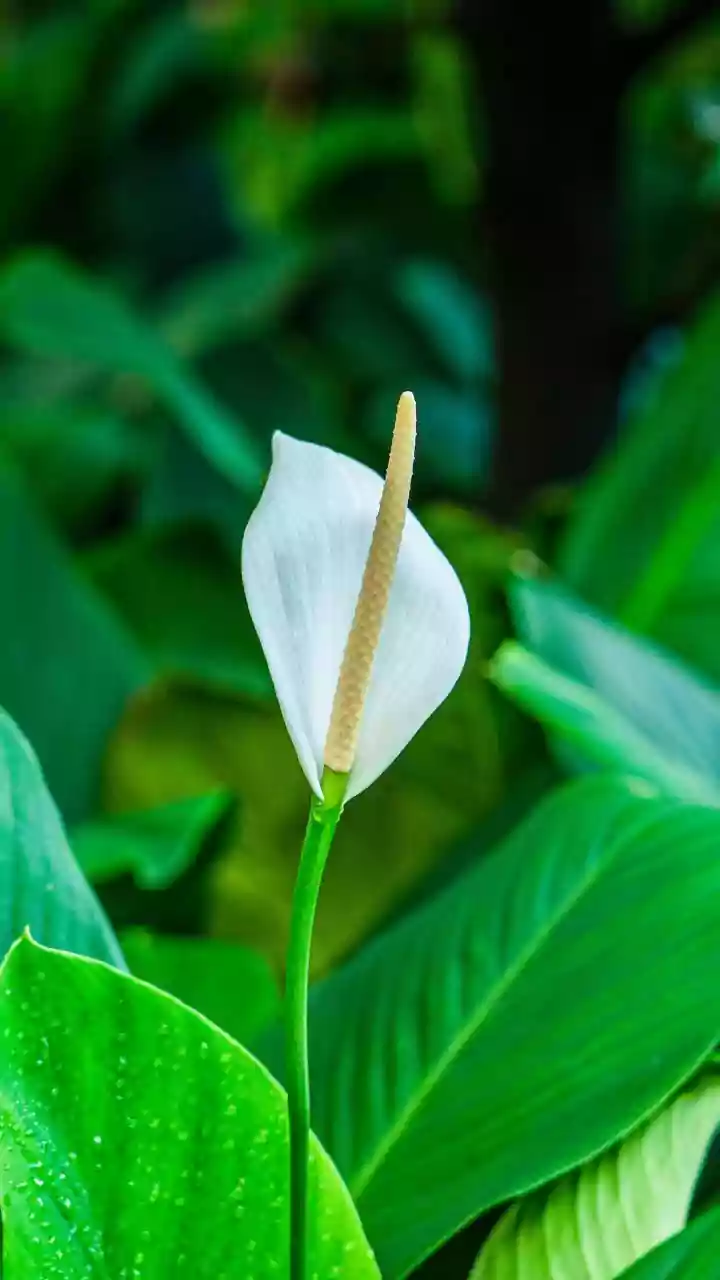
in return. Even a few pots on a balcony can make a noticeable difference. Plants like the snake plant, money plant (pothos), and areca palm are excellent choices for Indian homes as they are low-maintenance and highly effective at cleaning the air. By placing them in your living room or on your windowsill, you’re not just decorating; you’re installing a tiny, living air filter.
2. Your Own Organic Kitchen
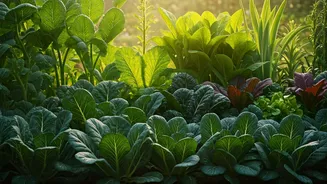
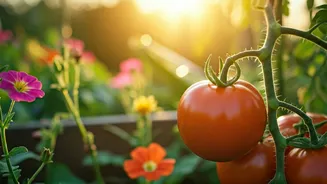
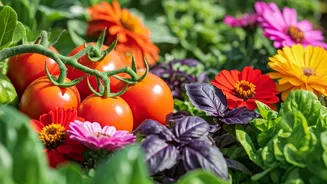
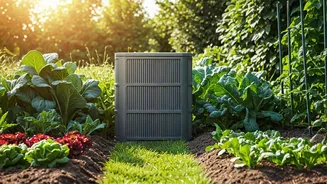
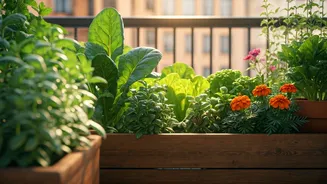
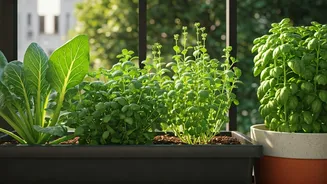
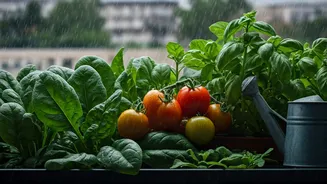
Imagine snipping fresh coriander for your dal or plucking ripe tomatoes for a salad, straight from your own garden. Urban gardening puts you in control of your food. You can grow herbs, vegetables, and fruits without pesticides and chemicals, ensuring your family eats the freshest, most nutritious produce. It also reduces your reliance on produce that has travelled hundreds of kilometres, losing nutrients and flavour along the way. Start small with easy-to-grow items perfect for the Indian climate: mint (pudina), basil (tulsi), cherry tomatoes, chillies, and spinach (palak) thrive in pots and require minimal space.
3. A Natural Mood Booster
The simple act of tending to plants has proven mental health benefits. It's a form of active meditation that reduces stress, anxiety, and depression. The physical act of gardening—digging in the soil, watering, and watching something grow—connects us to the natural world and provides a sense of purpose and accomplishment. In the hustle and bustle of city life, having a small green sanctuary to escape to can be incredibly therapeutic. It’s a quiet, mindful activity that grounds you and offers a welcome break from screens and deadlines. Studies have shown that even a few minutes with plants can lower cortisol levels, the body's primary stress hormone.
4. Reducing Your Environmental Footprint
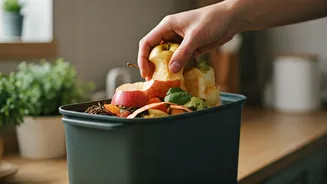
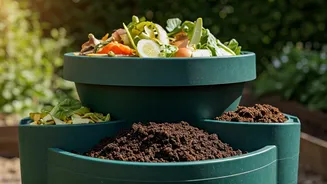
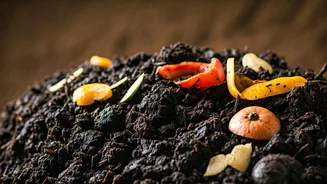
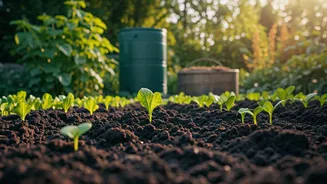
Every small garden contributes to a larger environmental good. Growing your own food reduces “food miles”—the distance food is transported from farm to table—which in turn lowers carbon emissions from transportation. It also helps manage kitchen waste. You can easily start composting your vegetable peels and other organic scraps to create nutrient-rich soil for your plants, reducing the amount of waste that ends up in landfills. Furthermore, green spaces on rooftops and balconies help cool down urban heat islands, where concrete and asphalt absorb and radiate heat, making cities uncomfortably hot. Your small garden is a tiny warrior in the fight against climate change.
5. Simple Steps to Get Started
Feeling inspired? Starting is easier than you think. You don’t need a large terrace; a sunny windowsill or a small balcony will do.
* **Start Small:** Begin with 2-3 pots. Choose plants that are easy to care for, like mint or a money plant. Success with a few will build your confidence.
* **Find the Sun:** Most vegetables and flowering plants need at least 4-6 hours of direct sunlight. Observe your balcony or windowsill to see where the sun hits.
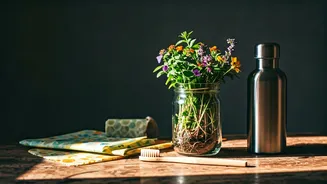
* **Choose the Right Containers:** You can use anything from traditional terracotta pots to recycled plastic bottles or paint cans. Just make sure they have drainage holes at the bottom.
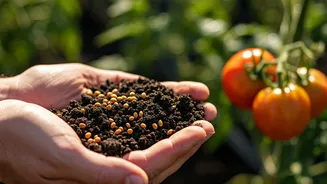
* **Get Good Soil:** A good potting mix is crucial. You can buy pre-mixed soil from a local nursery or make your own by mixing soil, compost, and cocopeat (which helps retain moisture).