






The Old Playbook's Limits
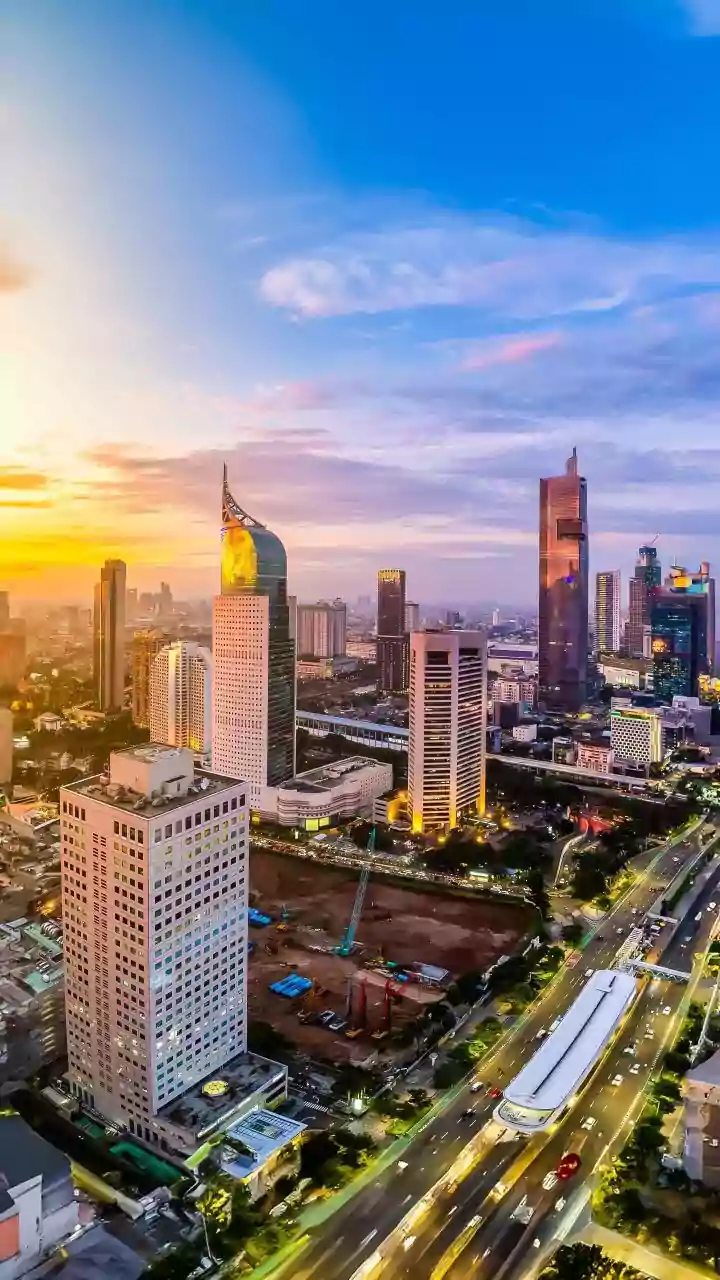
The traditional strategy for Indian companies was simple: set up shop in a Tier-1 city like Bengaluru, Mumbai, or Delhi-NCR. That’s where the largest talent pools, premium infrastructure, and biggest clients were concentrated. This created a powerful
but self-limiting loop. As more companies flocked to these hubs, the competition for talent intensified, driving up salaries and operational costs. Employees, in turn, faced soaring living expenses, punishing commutes, and deteriorating work-life balance, leading to high attrition rates. Metro markets became saturated, expensive, and hyper-competitive, forcing employers to question if this was the only way to grow.
What Sparked the Great Rebalancing?
Several powerful forces have converged to make Tier-2 cities newly attractive. The widespread adoption of remote and hybrid work models proved that high-value work could be done from anywhere, breaking down geographical barriers. Simultaneously, a massive government push on infrastructure has been a game-changer. The expansion of highways, new airports, reliable high-speed internet, and initiatives like the Smart Cities Mission have dramatically improved connectivity and livability in smaller urban centers. This has created an environment where companies can operate efficiently without being in a major metro.
The Rising Stars: Which Cities Are Winning?
This isn't just a theoretical shift; it’s happening on the ground in specific clusters. Cities like Jaipur, Indore, Lucknow, Coimbatore, and Bhubaneswar are becoming major hubs for IT, manufacturing, and Global Capability Centres (GCCs). A recent report from Genius HRTech found that 69% of organisations increased their hiring from Tier-2 and Tier-3 cities by over 30% in the last two years. Cities such as Coimbatore and Nagpur have seen IT hiring grow by 20-25%, while Jaipur and Indore are expanding at an even faster 30-40%. These locations are successfully attracting investment in sectors ranging from IT and engineering to retail and e-commerce.
More Than Just Cost Savings
While lower operating costs are a significant driver—companies can save 20-35% on expenses compared to Tier-1 cities—the move is about more than just money. Employers are discovering that talent in Tier-2 cities often demonstrates higher loyalty and lower attrition rates. For employees, the benefits are clear: a lower cost of living, shorter commutes, less pollution, and the ability to be closer to family. This improved quality of life is a powerful retention tool. As a result, companies are finding a more stable and satisfied workforce, and 64% of employers now believe these cities have an industry-ready talent pool.
The Road Ahead: Challenges and Opportunities
The transition is not without its hurdles. Despite major progress, 60% of employers still see infrastructure and connectivity as a key challenge when expanding beyond metros. However, the momentum is undeniable. With the manufacturing and engineering sectors expected to lead the next wave of hiring, the role of smaller cities in India's industrial expansion is set to grow. State governments are also sweetening the deal with incentives, tax benefits, and dedicated Special Economic Zones (SEZs) to attract investment. This strategic decentralisation is creating a more balanced and resilient national economy.