



Why Venus Is the Evening Star
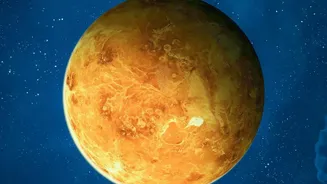
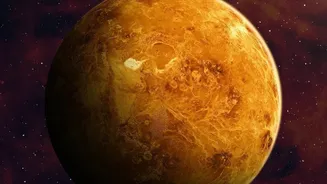
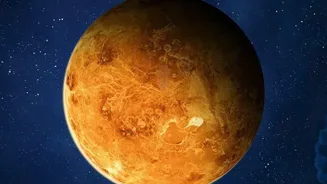
Venus often carries the title of “Morning Star” or “Evening Star” because its orbit keeps it close to the Sun from our perspective. This August, it commands the evening sky. Its brilliance isn't just due to its proximity to Earth; its thick, highly reflective
clouds bounce a tremendous amount of sunlight back into space, making it outshine every other star or planet. Throughout the month, it will be an exceptionally bright, steady light that doesn’t twinkle like a distant star. On August 15, Venus reaches what astronomers call its greatest elongation, meaning it will be at its farthest angular distance from the Sun, making it particularly easy to spot in the twilight.
When and Where to Look
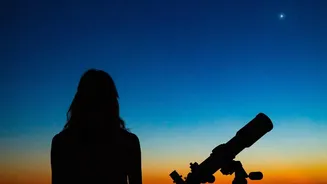
The best time to view Venus all through August 2026 is shortly after sunset. Find a location with a clear, unobstructed view of the western horizon. As the sun dips below the horizon and the sky begins to darken, Venus will emerge as the first and brightest point of light. You won't need to wait for complete darkness; its powerful glow cuts right through the evening twilight. For those looking from India, the best viewing window will be in the 45 to 90 minutes following sunset, looking toward the west-southwest.
A Dance with the Moon and a Star
August offers some beautiful celestial groupings involving Venus. Around August 15 and 16, a lovely crescent Moon will appear very close to the planet, creating a stunning pair in the western sky. This conjunction will be a fantastic photo opportunity and easily visible to the naked eye. Also nearby throughout the month is Spica, the brightest star in the constellation Virgo. Venus will appear to draw closer to this blue-white star as the month progresses, with the two celestial bodies forming a beautiful alignment in the sky.
Do You Need a Telescope?
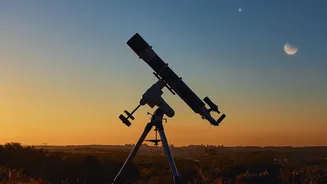
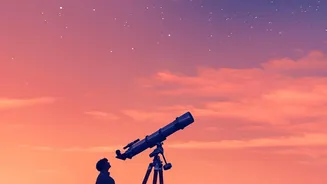
You don’t need any special equipment to enjoy Venus; its brightness makes it a spectacular sight for the naked eye. However, if you have a pair of binoculars or a small telescope, you can get an even better view. A telescope will reveal that Venus goes through phases, much like our Moon. In mid-August 2026, Venus will appear about half-illuminated, resembling a tiny quarter moon. Seeing its phase is a rewarding experience that highlights its status as a planet orbiting the Sun.
Bonus: The Perseid Meteor Shower
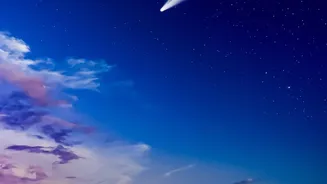
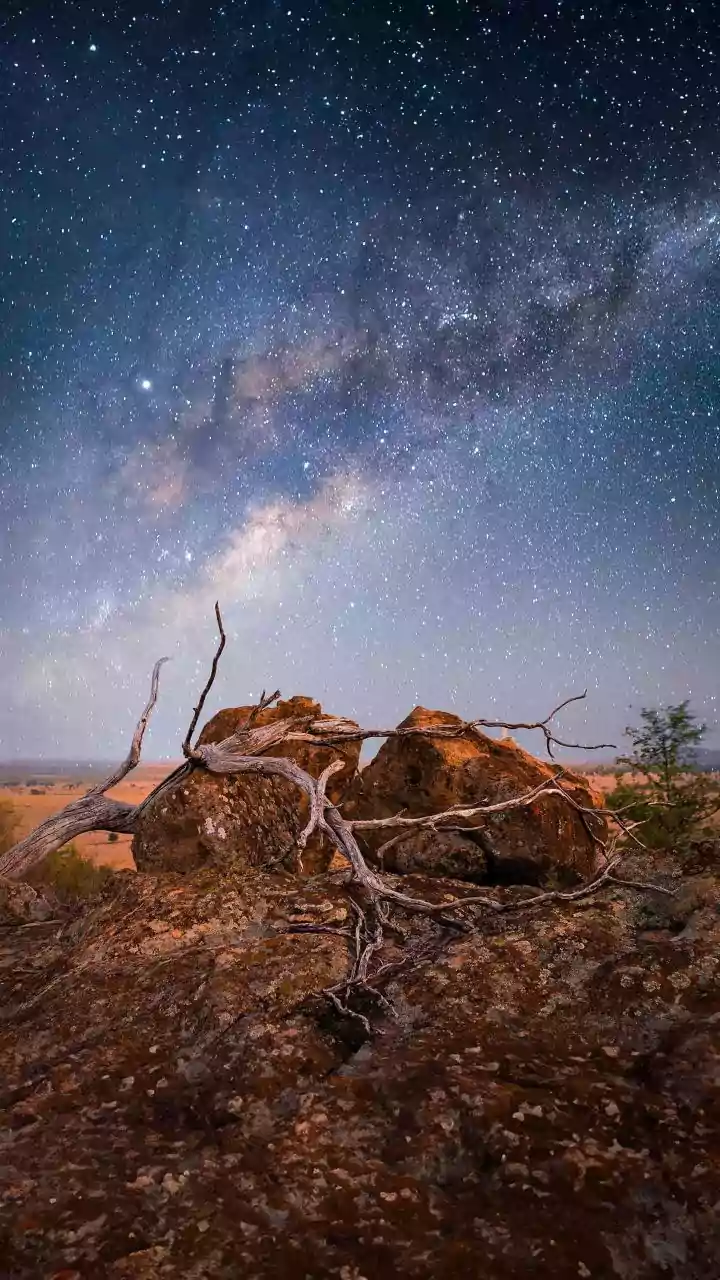
While Venus is the star of the evening, another major celestial event peaks in August: the Perseid meteor shower. The shower is active from mid-July to late August, but its peak occurs on the night of August 12-13. This year’s peak is expected to be one of the best in years because it coincides with a New Moon, meaning the sky will be exceptionally dark, free from moonlight interference. In the hours after midnight, especially before dawn, you could see up to 90 meteors per hour streaking across the sky from a dark location. While you’re out watching for Venus in the evening, be sure to stay up late or wake up early for this incredible bonus show.