
In our fast-paced lives, the quest for a meal that is both quick and comforting is constant. The answer, however, might not be in a new gadget but in our own culinary heritage, which has perfected the art of the one-pot rice meal.
The Timeless Allure of a Single Pot
The one-pot meal is the
undisputed hero of the modern kitchen. It promises maximum flavour with minimal cleanup, a winning combination for anyone juggling work, family, and the desire for a wholesome, home-cooked meal. Across India, this concept is anything but new. For centuries, regional cuisines have championed dishes where rice, lentils, vegetables, and spices are cooked together, allowing flavours to meld into a delicious and satisfying whole. These traditional recipes are a testament to a culinary wisdom that understood efficiency and nutrition long before it became a trend. From the simplest preparations to more elaborate festive dishes, the principle remains the same: create a complete, balanced meal in a single vessel.
Khichdi: The Ultimate Comfort Meal
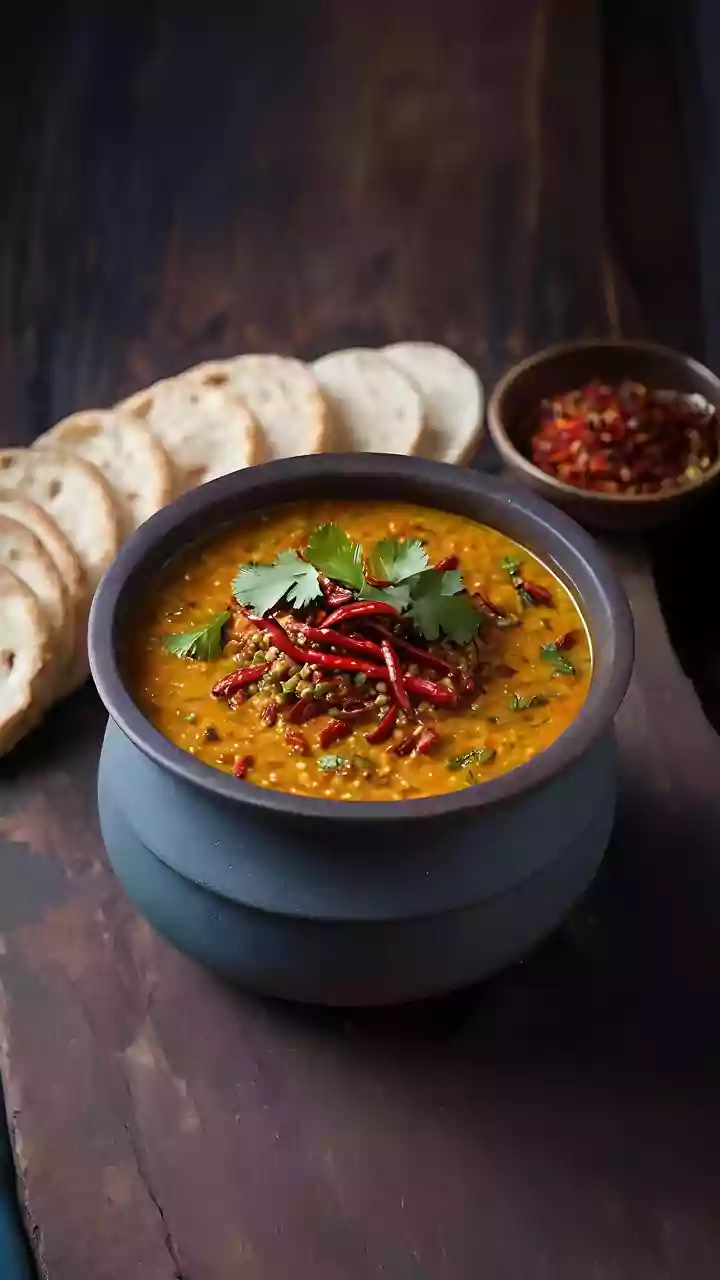
Khichdi is perhaps the most famous and beloved one-pot dish in India. With origins tracing back to ancient Vedic literature, where it was known as 'khiccā', this humble combination of rice and lentils is a powerhouse of nutrition and comfort. Its history is rich, having been documented by travellers like Ibn Battuta and even enjoyed in the royal kitchens of the Mughals. The beauty of khichdi lies in its versatility. In its simplest form, it's a soothing meal for when one is unwell. But it has countless regional variations, from the savoury 'khichuri' of Bengal and the spicy 'Bisi Bele Bath' of Karnataka to the festive 'Bihari Khichdi' enjoyed during Makar Sankranti. Each version adapts to local tastes, proving that simplicity never has to be boring.
Pulao: Aromatic, Versatile, and Effortless
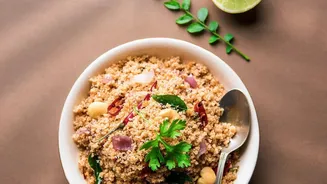
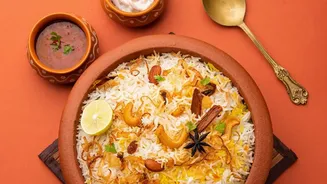
Often seen on festive tables, Pulao is another cornerstone of one-pot cooking. While frequently compared to Biryani, its preparation is fundamentally simpler and quicker, making it ideal for weeknight convenience. In a Pulao, rice and other ingredients like vegetables or meat are cooked together in a seasoned broth from the start. This allows the rice grains to absorb all the aromatic flavours of the spices, resulting in a light, fluffy dish where every spoonful is uniformly delicious. Unlike the more complex layering and separate cooking required for Biryani, Pulao embraces the 'all-in-one' method, which significantly cuts down on cooking time and effort without sacrificing flavour.
Tehri : The Pride of Uttar Pradesh
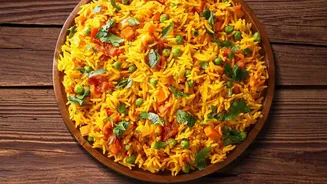
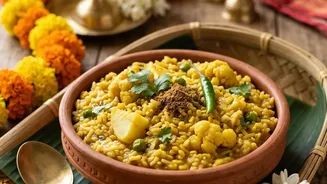
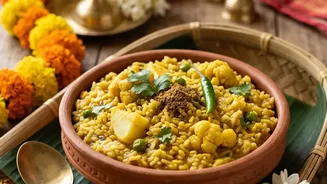
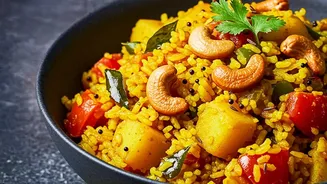
Hailing from Uttar Pradesh, Tehri (also called Tahari or Tehari) is a fragrant yellow rice dish that celebrates the one pot technique. It is often considered a vegetarian counterpart to Pulao and is traditionally made with potatoes and other seasonal vegetables like peas and carrots. What sets Tehri apart is its use of a robust blend of both whole and ground spices, giving it a more complex flavour profile than a simple Pulao. Though some traditional methods involve a final 'dum' or steam cooking, the entire dish is built in a single pot, making it a hearty, comforting, and convenient meal that brings the rich flavours of Awadhi cuisine to the everyday dining table.
Southern Wonders : From Bisi Bele Bath to Tomato Rice
The one -pot rice tradition thrives vibrantly in South India , with numerous dishes that are both flavourful and easy to prepare . Karnataka 's Bisi Bele Bath is a prime example . The name itself translates to 'hot lentil rice dish' , and it is a complete meal made by cooking rice , toor dal , vegetables , tamarind , and a special spice blend together . Other popular options include Tomato Rice , where rice is cooked in a tangy tomato base , and Coconut Rice , which offers a milder , fragrant alternative . Dishes like Rasam Rice and various vegetable rice preparations further showcase how a single pot can be used to create an incredible diversity of flavours , from tangy and spicy to rich and comforting , all with minimal fuss .