



Your Fortress: The Right Backpack
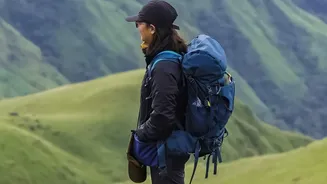
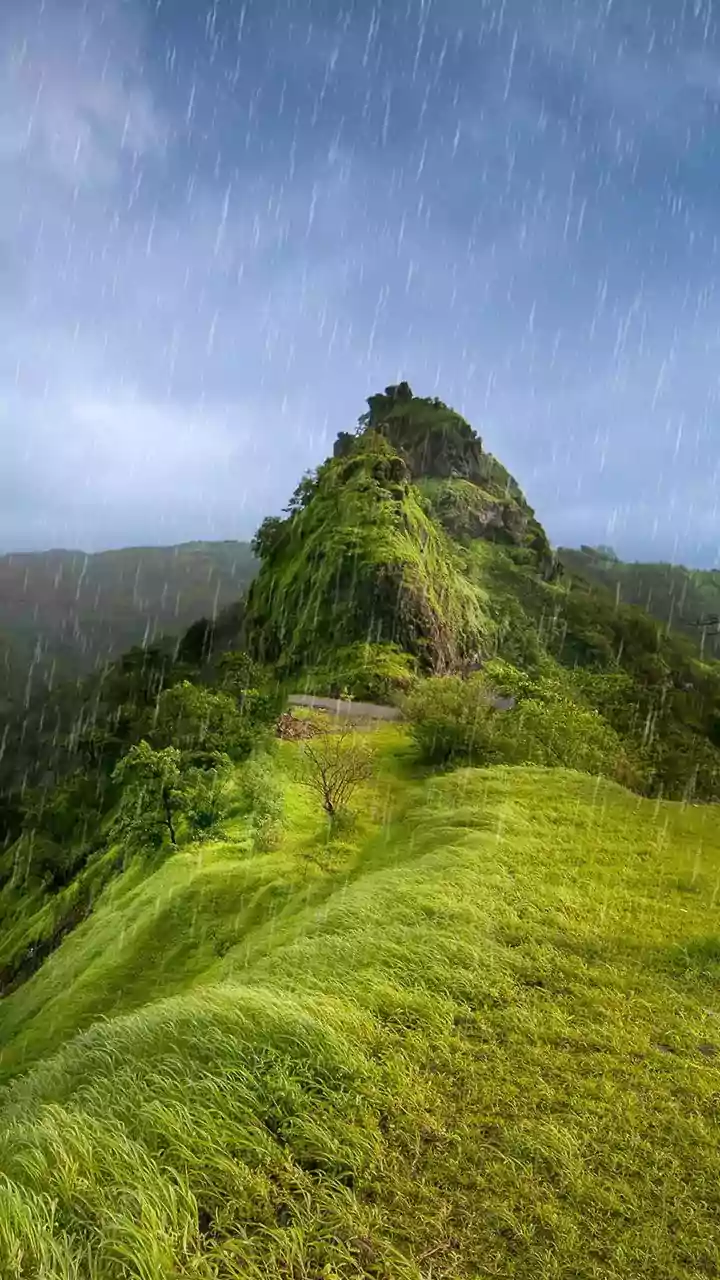
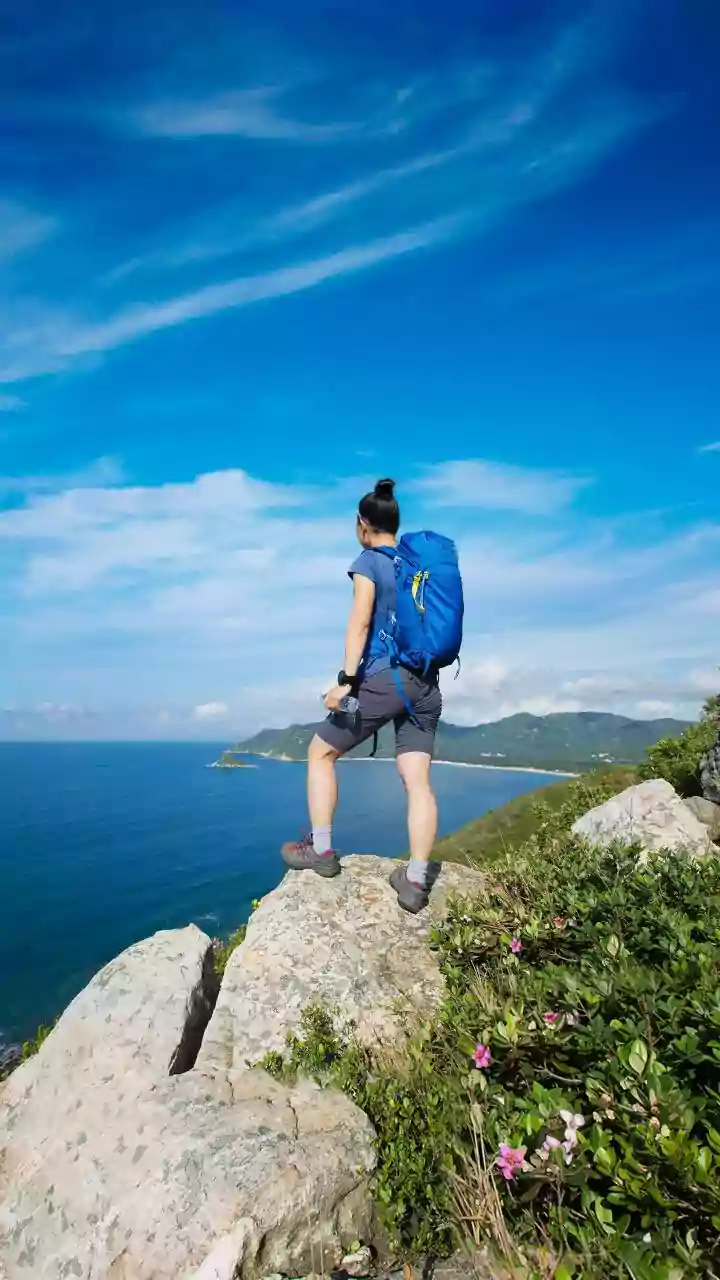
Your journey begins with the backpack itself. For monsoon treks in regions like Maharashtra, Karnataka, or Kerala, choose a pack between 30 to 45 litres. This provides enough space for essentials without becoming cumbersome. The most critical feature
is water resistance. Look for a bag made from polyester or nylon with a polyurethane (PU) coating or a durable water-repellent (DWR) finish. Even with a water-resistant pack, an external rain cover is non-negotiable for the sustained downpours common in the Ghats. For an extra layer of security, line the inside of your pack with a large plastic bag before you start packing. This simple trick can be a lifesaver for keeping your clothes and electronics dry.
The Art of Staying Dry
Getting wet is part of the experience, but staying wet is a recipe for discomfort. A lightweight, breathable rain jacket or poncho is your first line of defence. Beyond that, think in layers. Pack synthetic, quick-dry clothing. Fabrics like polyester, nylon, and certain poly-cotton blends are ideal because they don't hold moisture and dry quickly even in high humidity. Leave heavy denim jeans, thick cotton hoodies, and light-coloured linens at home; they become heavy when wet and can take days to dry. Pack two to three sets of quick-dry t-shirts and trousers. A microfiber towel is another essential, as it’s super absorbent and dries much faster than a conventional cotton towel.
Footwear for Tricky Terrain
Monsoon trails are notoriously muddy, slippery, and often involve stream crossings. Your footwear choice is crucial for both comfort and safety. Shoes with a deep tread and excellent grip are a must. While fully waterproof boots might seem like a good idea, they can often trap water that gets in from the top, leading to waterlogged feet. Many experienced trekkers in the Western Ghats prefer trekking sandals or non-waterproof shoes with good drainage that dry out quickly. Whichever you choose, pair them with synthetic or waterproof socks. Always carry an extra pair of socks to change into at the end of the day. Also, pack a pair of lightweight flip-flops or crocs for relaxing at your accommodation.
Protecting Your Electronics
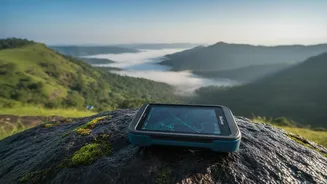
Water and electronics are not friends. To protect your smartphone, camera, and power bank, use multiple layers of protection. Start with waterproof cases specifically designed for your devices. For added security, place these cased devices inside zip-seal plastic bags or dedicated dry bags before putting them in your backpack. Dry bags are lightweight, fully waterproof sacks that provide an excellent final barrier against moisture. It’s also wise to carry a reliable power bank, as power cuts can be more frequent during the monsoon season in remote areas.
Health, Hygiene, and Critter Control
The damp monsoon environment can bring its own set of health considerations. Pack a personal first-aid kit with essentials like antiseptic wipes, waterproof bandages, pain relievers, and any personal medications. Fungal infections can be common, so an anti-fungal powder or cream is a good addition. The monsoon is also prime time for insects and leeches, especially on forest trails. A strong insect repellent containing DEET is non-negotiable. For leech-prone areas, consider packing anti-leech socks, or carry a small container of salt or a sanitiser to help remove them if needed.