






The Allure and The Alert
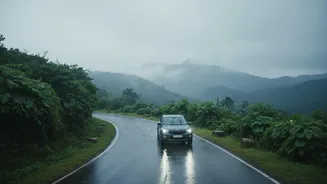
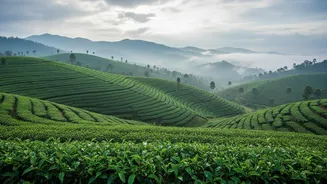
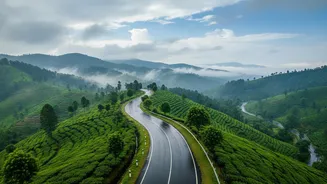
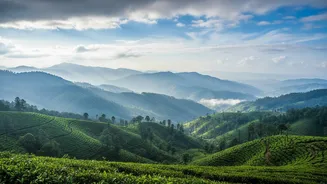
There's nothing quite like sipping hot tea while watching clouds drift across emerald valleys. Hill stations across India, from the Himalayas to the Western Ghats, transform into verdant paradises during the monsoon, offering a cool respite from the city
heat. This beauty, however, is often paired with nature's fury. The same rains that bring landscapes to life can also trigger landslides, flash floods, and prolonged road closures, turning a dream vacation into a logistical nightmare. In early August 2026, for example, heavy rainfall in Himachal Pradesh led to over 100 road closures, primarily in popular districts like Mandi, Kullu, and Shimla, severely disrupting travel. The key isn't to avoid the hills altogether, but to approach your travel plans with a healthy dose of caution and a wealth of information.
Why Pre-Booking Diligence Is Crucial
In the age of instant online bookings, it's tempting to confirm your plans with a few clicks. However, during the monsoon, this can be a costly mistake. The primary risks—landslides and road blockages—are dynamic. A route that is clear one day can be impassable the next. Recent advisories from the India Meteorological Department (IMD) for August 2026 highlight the unpredictable nature of this year's monsoon, with warnings for heavy rain and thunderstorms issued for states like Uttarakhand and Himachal Pradesh. These alerts often precede travel disruptions. For instance, the crucial Kalka-Shimla train route has faced service curtailments due to landslide risks. Finalising your booking without checking the latest weather forecasts and local conditions means you risk being stranded, facing last-minute cancellations without refunds, or worse, travelling into a high-risk zone.
Your Pre-Travel Intelligence Checklist
Before you pay a single rupee, become your own travel intelligence agent. Your mission is to gather real-time information from credible sources. Start with the official India Meteorological Department (IMD) website (mausam.imd.gov.in) and its social media handles. The IMD issues district-specific warnings, colour-coded for severity (red, orange, yellow), which are invaluable for assessing risk. Next, check the social media pages of the state and district police, especially the traffic police, for live updates on road conditions. Many police departments are now proactive in posting about closures and alternative routes. Finally, don't just book your hotel online—call them. Speak to the manager or owner and ask specific questions: What are the current road conditions to reach the hotel? Have there been any recent landslides in the area? Is there a backup power supply? Their local, on-the-ground knowledge is often more current than any news report.
Choosing Your Destination Wisely
Not all hill stations are created equal during the monsoon. Some, particularly in the Himalayan rain-shadow regions like Ladakh and Spiti Valley, receive minimal rainfall and remain accessible. In contrast, areas in Himachal and Uttarakhand, especially along single-lifeline highways like the routes to Kinnaur, Chamba, and parts of the Char Dham Yatra, are known to be landslide-prone. The Western Ghats offer a mixed bag; destinations like Mahabaleshwar and Coorg are often well-managed and remain popular, though caution is still advised. The key is to weigh the accessibility and infrastructure of a destination. A remote village with a single approach road is a far riskier bet in August than a well-established town with multiple access points. Consider destinations that are easier to get to, and save the more adventurous, remote trips for the post-monsoon season.
Smart Booking and Packing Strategies
To protect yourself financially and logistically, opt for flexible booking options. Look for hotels and transport that allow for last-minute cancellations or rescheduling with minimal penalties. Travel insurance that specifically covers trip disruption due to weather is also a non-negotiable investment during this season. When it comes to packing, think practical. Prioritise waterproof gear: a sturdy raincoat, an umbrella, and waterproof covers for your bags are essential. Pack quick-drying synthetic clothes instead of heavy cottons or jeans. Footwear should be rain-proof with excellent grip to handle slippery paths. Also, include a first-aid kit, essential medicines, and a power bank, as power cuts can be common. Having a 'Plan B' is also a great strategy; if your primary destination becomes inaccessible, having an alternative in a safer zone can salvage your holiday.