

What Exactly Is Sattu?
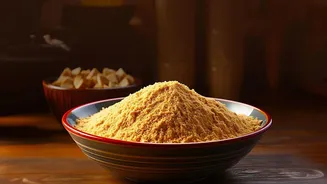
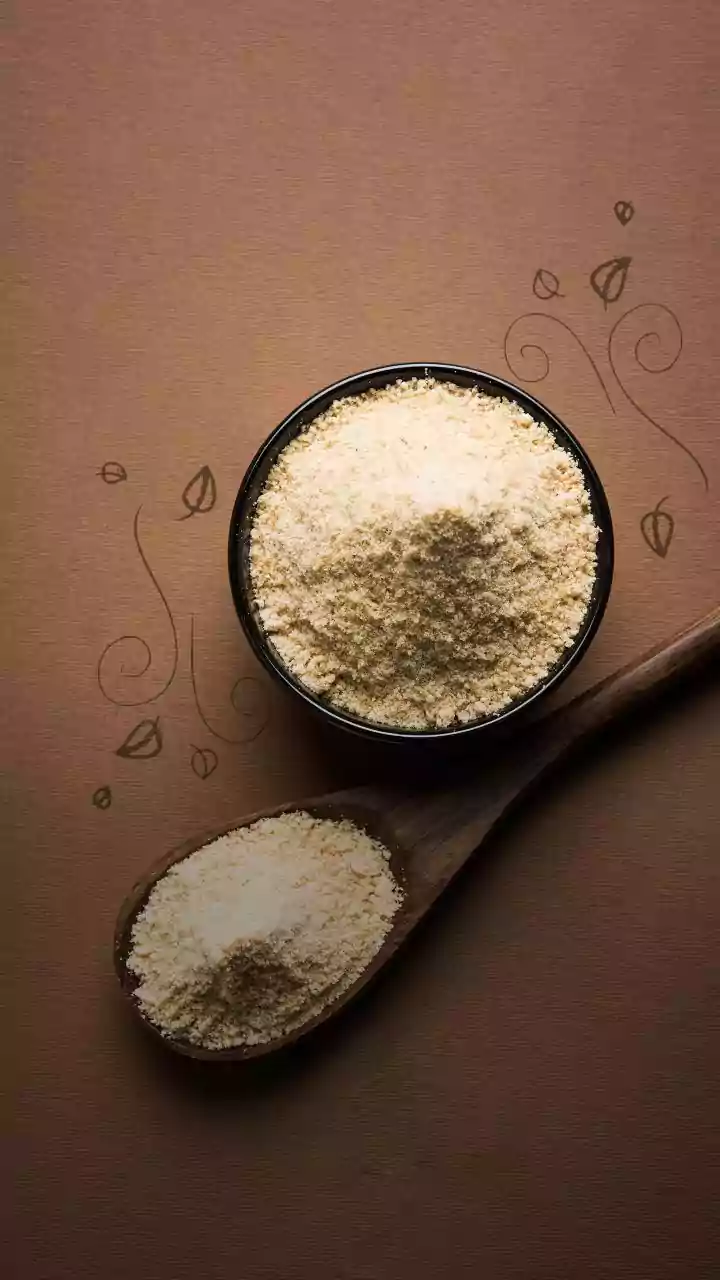
Sattu is a powerhouse flour traditional to Indian states like Bihar, Jharkhand, and Uttar Pradesh. It's made by roasting Bengal gram (kala chana) and grinding it into a fine, nutty powder. This roasting process is what makes it unique. Unlike besan (gram
flour), which is made from raw, uncooked chickpeas, sattu is pre-cooked, easier to digest, and has a deep, earthy flavour. Because it requires no cooking, it has been a go-to for convenient, nutrient-dense meals for centuries. Packed with plant-based protein, high in fiber, and rich in minerals like iron and magnesium, it's a true superfood.
The Golden Rule: Sattu vs. Besan
It’s important to understand the headline's mention of "roasted gram flour." While technically correct, sattu is specifically made from roasted whole gram, not by simply roasting besan. Besan is flour from raw gram, while sattu is flour from roasted gram. This distinction is key to getting the right nutty flavour and nutritional benefits. For the best smoothie bowls, you want authentic sattu. You can buy pre-packaged sattu flour, often labelled "roasted gram flour," or you can make your own at home by grinding roasted, skinless chana for the most authentic taste. This ensures you get that signature toasted flavour and no raw, starchy aftertaste.
The Ultimate Sattu Smoothie Bowl Recipe
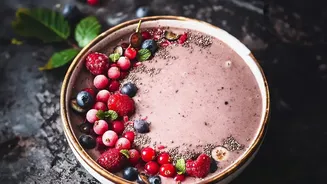
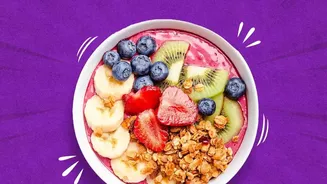
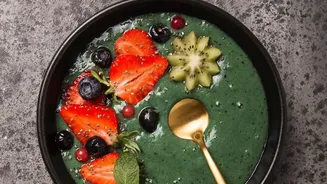
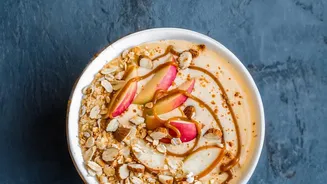
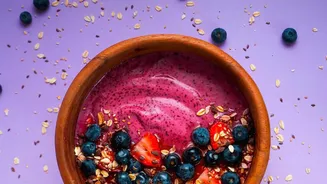
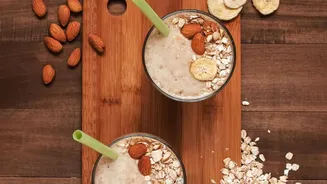
Ready to blend? This base recipe is your starting point for a thick, creamy, and satisfying smoothie bowl. It's packed with protein and fibre to keep you full and energised for hours.Ingredients: 4 tablespoons Sattu flour 1 ripe banana, frozen 1/2 cup thick curd (dahi) or Greek yoghurt 1/4 cup milk (dairy or plant-based, as needed for consistency) 1-2 dates, pitted, or 1 tablespoon jaggery/honey for sweetness A pinch of cardamom powderInstructions:1. Combine the sattu, frozen banana, curd, dates or other sweetener, and cardamom powder in a blender.2. Blend on high until the mixture is completely smooth and thick. If it's too thick to blend, add milk one tablespoon at a time until you reach a creamy, scoopable consistency, similar to soft-serve ice cream.3. Pour the thick smoothie into a bowl. The consistency should be sturdy enough to hold toppings without them sinking immediately.
Customise Your Creation: Toppings and Flavours
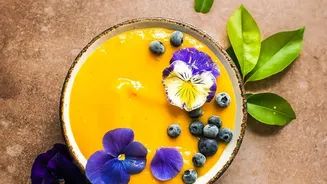
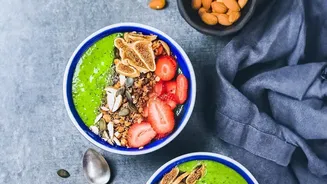
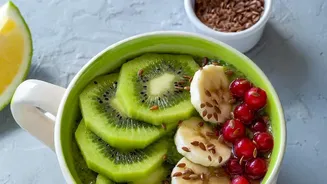
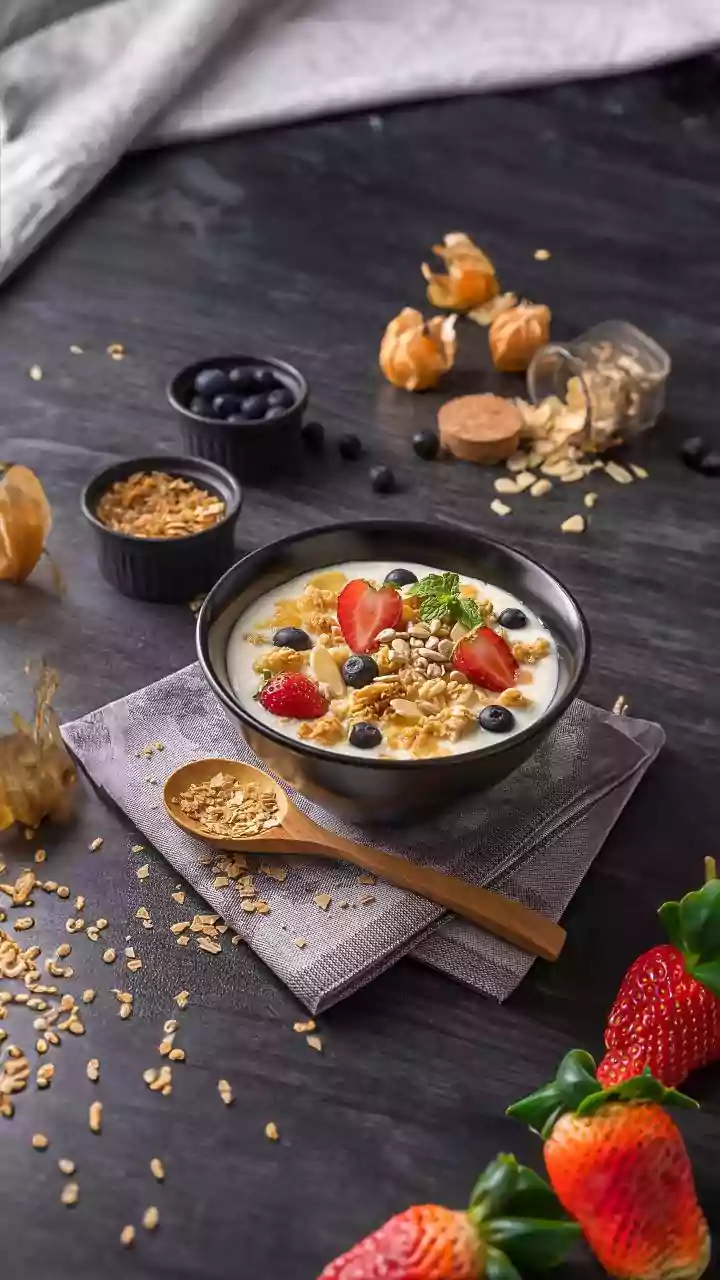
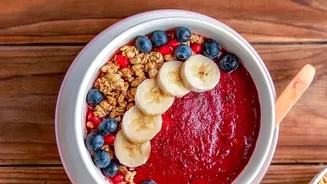
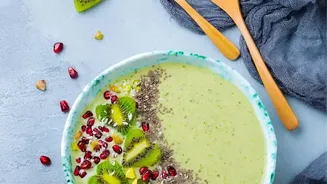
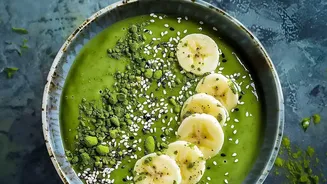
This is where you can get creative. The joy of a smoothie bowl is in the textures and flavour combinations. The nutty base of sattu pairs well with almost anything. Here are some ideas to get you started: Fresh Fruit: Sliced bananas, fresh berries, pomegranate seeds, or chopped mango. Nuts and Seeds: Toasted almonds, walnuts, pumpkin seeds, or chia seeds for an extra crunch and healthy fats. A Touch of Richness: A spoonful of peanut butter or a drizzle of melted dark chocolate can turn this into a decadent treat. Flavour Boosts: Try adding a teaspoon of raw cacao powder to the blend for a chocolatey version or a pinch of cinnamon for warmth.
Why It's the Perfect Breakfast
A sattu smoothie bowl isn't just delicious; it's a smart nutritional choice. The high protein content, around 20-25 grams per 100g of flour, aids in muscle repair and growth, making it an excellent post-workout meal. The impressive fibre keeps you feeling full for longer, helping to manage weight and prevent unhealthy snacking between meals. Furthermore, sattu provides sustained energy release thanks to its complex carbohydrates, unlike sugary breakfast cereals that lead to a crash. It also has natural cooling properties, making it an ideal meal for warm Indian mornings.