





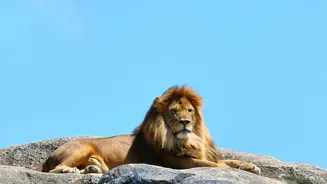
Gir’s Triumph and Trouble
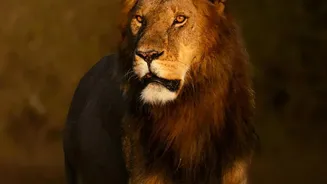
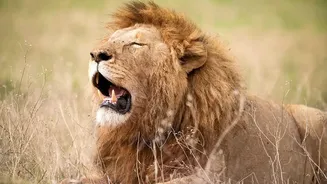
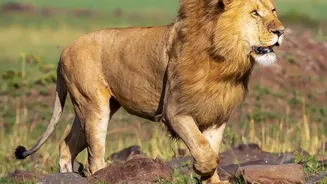
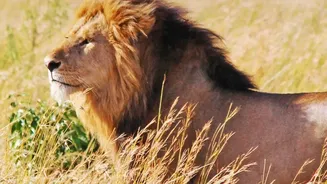
For decades, the Gir National Park in Gujarat has been the sole sanctuary for the world's last remaining Asiatic lions. Thanks to dedicated conservation, their numbers have rebounded spectacularly from a mere handful to a thriving population estimated
at over 890. This success, however, has a perilous downside. The high population density within a single landscape makes the lions dangerously susceptible to catastrophic events. A single outbreak of disease could have devastating consequences, a threat that became terrifyingly real in recent years when dozens of lions succumbed to the canine distemper virus (CDV) and Babesiosis. Conservationists have long warned that putting all of a species' eggs in one basket is a risky strategy. The growing population has also led to increased human-lion conflict as animals disperse into human-dominated areas in search of territory, leading to a rise in accidental deaths and encounters.
A Second Home Beckons
Enter the Barda Wildlife Sanctuary. Located about 100 kilometres from Gir, this 192-square-kilometre protected area has been officially identified as the second home for Asiatic lions under the central government's 'Project Lion'. Launched in 2020, Project Lion is a comprehensive initiative aimed at securing the future of the species through habitat development, community participation, and scientific management. The selection of Barda marks a pivotal moment, addressing decades of calls from experts for a geographically separate, secondary population to act as a crucial insurance policy for the species. While the idea of translocation has been discussed for years, with a Supreme Court order in 2013 even directing a move to Kuno National Park in Madhya Pradesh, the focus has now firmly shifted to developing this second home within Gujarat.
What Makes Barda the Right Choice?
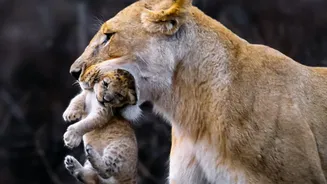
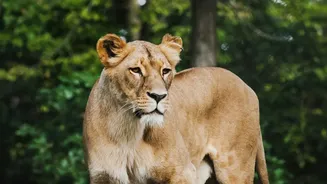
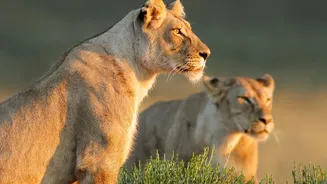
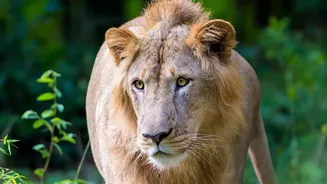
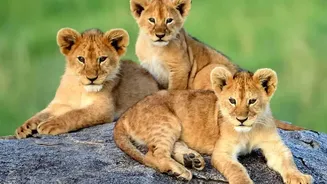
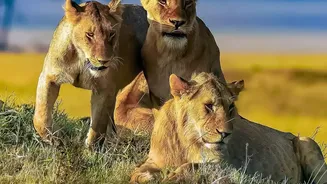
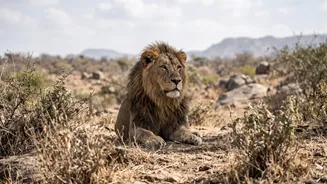
The choice of Barda is both strategic and natural. Lions had been absent from the area for nearly 144 years, but in January 2023, a male lion naturally dispersed from Gir and entered the sanctuary on its own. This natural recolonisation was a powerful indicator of Barda's suitability. Following this, the Gujarat Forest Department introduced five females to help establish a new population. As of October 2026, Barda is now home to a small but growing population of 17 lions, including several cubs. To support them, significant efforts are underway to augment the prey base, with hundreds of spotted deer and sambar being translocated from Gir and bred in captivity. A recent scientific study confirmed that Barda's habitat, with its mixed forests and grasslands, offers a suitable environment to sustain a long-term lion population.
More Than Just a Backup Plan
Establishing a population in Barda is about more than just creating a backup. It is a fundamental step toward ensuring the genetic health and long-term resilience of the species. A separate population reduces the risk of inbreeding and allows for the development of new genetic adaptations. Because the entire Asiatic lion population descended from a very small number of individuals, its genetic diversity is inherently low, making it more vulnerable to disease. By creating a second, isolated population, conservationists are building a buffer that can prevent a single disease outbreak from wiping out the species entirely. Monitored through radio collars, the first Barda lions are providing crucial data on how they adapt to their new home, from their diet—currently dominated by wild pig and some domestic cattle—to their territorial behaviour.
The Road Ahead for the Barda Lions
The journey to establish a self-sustaining lion population in Barda is a marathon, not a sprint. The 'Project Lion' framework includes plans to translocate up to 40 lions to the sanctuary in a phased manner. This process requires meticulous planning, ongoing habitat management, and proactive measures to mitigate potential conflict with the ethnic communities living around the sanctuary. The early signs are promising. The presence of cubs indicates that the lions are successfully breeding in their new environment. This project represents a critical shift in conservation strategy—from pure recovery to proactive, long-term management aimed at securing a future where the roar of the Asiatic lion echoes not just in Gir, but across multiple landscapes in its historic homeland.