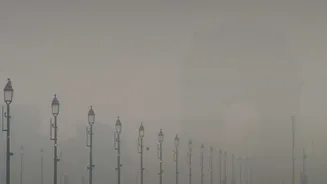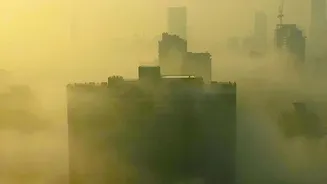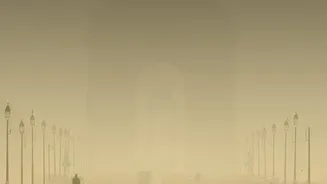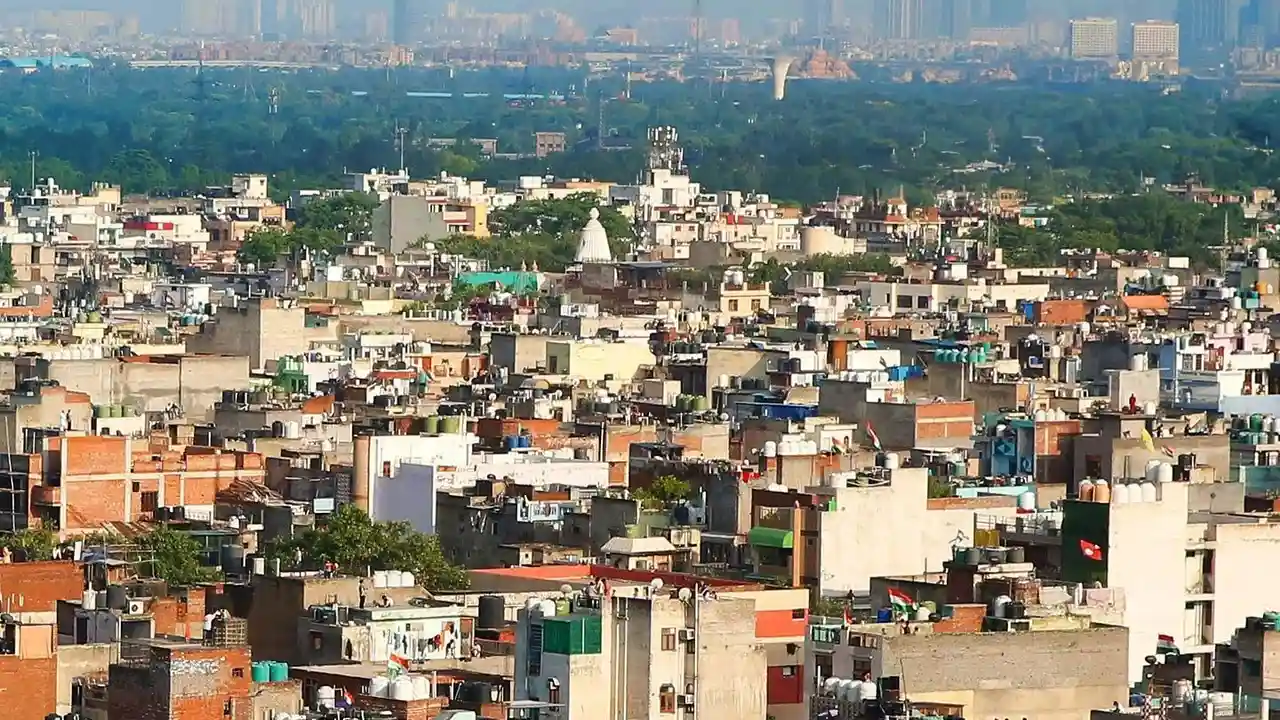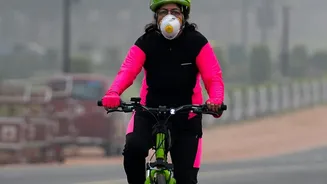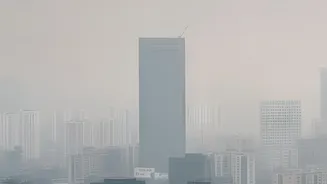



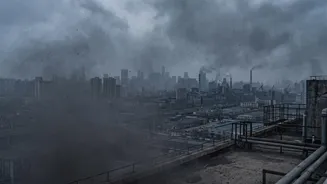
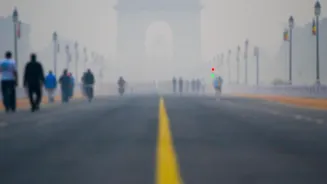

As winter descends, a familiar grey shroud once again envelops Delhi. But the annual pollution crisis is more than just a visible haze; it's a deeply intrusive force that systematically disrupts every facet of daily life for millions of people.
The Air We Breathe Now
The period
following Diwali has seen Delhi's air quality plummet to hazardous levels. On November 12, the city's overall Air Quality Index (AQI) was recorded at 321, firmly in the 'very poor' category, with some areas experiencing 'severe' conditions with readings over 400. This is not an abstract number. It represents a toxic cocktail of pollutants, primarily fine particulate matter (PM2.5), which is so small it can penetrate deep into the lungs and enter the bloodstream. This annual phenomenon is fueled by a combination of factors, including vehicular and industrial emissions, construction dust, and smoke from stubble burning in neighbouring states, all trapped by colder, heavier winter air.
A Public Health Emergency
The most immediate and visible impact is on health. Hospitals are reporting a surge in patients, with even young and otherwise healthy individuals complaining of persistent throat irritation, coughing, and respiratory discomfort. Doctors warn that these are not minor inconveniences. Prolonged exposure is linked to severe long-term conditions, including chronic bronchitis, hypertension, heart disease, and lung cancer. The city's children are especially vulnerable; studies have indicated that millions may suffer from irreversible lung damage due to the toxic air. The constant stress on the body from breathing polluted air also leads to fatigue, headaches, poor sleep quality, and difficulty concentrating, affecting performance at work and school.
Disrupting the Rhythm of Life
Life in Delhi is forced to adapt to the air quality. As pollution levels spiked, authorities have implemented Stage III of the Graded Response Action Plan (GRAP), which includes advisories and restrictions that alter the city's rhythm. Schools have been directed to offer hybrid classes for younger students, giving parents the difficult choice between education and health. The government has also urged offices to consider allowing 50% of staff to work from home to reduce exposure and traffic. Outdoor activities, from morning jogs to children's playtime in the park, become health hazards. This creates a sense of being confined, as residents are advised to limit time outside, keep windows shut, and rely on air purifiers.
The Staggering Economic Cost
The economic consequences of Delhi's pollution are immense. A World Bank report has highlighted that air pollution costs India a significant percentage of its GDP annually through reduced labour productivity and increased healthcare expenditure. In Delhi, this translates to tangible business losses. Consumer footfall in major markets like Chandni Chowk and Karol Bagh has been reported to decline as people avoid going out. Restrictions on vehicle entry and construction activities disrupt supply chains and slow down economic activity. Furthermore, businesses face added costs for protective measures like air purifiers for their employees, while productivity dips due to pollution-related illnesses and absenteeism.
The Invisible Mental Strain
Beyond the physical and financial toll, living under a constant blanket of smog has a profound psychological impact. The inability to breathe clean air, the worry for the health of one's family, especially children, and the disruption of normal life contribute to significant stress and anxiety. The grey, sunless skies and the feeling of being trapped indoors can affect mood and overall mental well being. This environmental anxiety is a hidden but pervasive part of the crisis, as millions are forced to confront the reality that the simple act of breathing in their own city is a danger to their health. The pollution is not just in the air; it seeps into the collective consciousness of the city.