




The air in Delhi has taken a familiar, unwelcome turn. As the first 'poor' AQI readings of the season appear, your eyes might be the first to notice. Here’s why that scratchy, watery feeling is more than just a minor annoyance.
The Air We Breathe Now
After a relatively clear
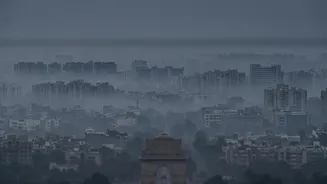
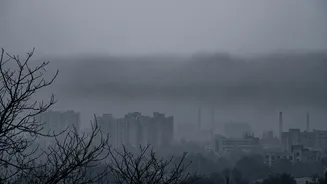
period following the monsoon, Delhi's Air Quality Index (AQI) has officially crossed the 200 mark, landing in the 'poor' category for the first time this season. This reading is a critical signal that the annual pollution season has begun. The air is now a cocktail of harmful pollutants, including fine particulate matter (PM2.5 and PM10), nitrogen dioxide (NO2), and sulfur dioxide (SO2). These microscopic particles, stemming from vehicle emissions, industrial output, and the onset of stubble burning, are small enough to bypass the body's natural defences and directly affect our most exposed organs: our eyes.
How Pollution Directly Harms Your Eyes
Your eyes are protected by a delicate, three-layered tear film that keeps them lubricated and clear. Airborne pollutants wage a direct assault on this protective barrier. Particulate matter and gases like ozone disrupt the outermost lipid layer of the tear film, causing tears to evaporate more quickly. This leads to dryness, inflammation, and oxidative stress on the ocular surface. The constant irritation weakens the eye's natural defences, making it more susceptible to allergic reactions and infections. Conditions like dry eye syndrome, blepharitis, and allergic conjunctivitis are often triggered or severely worsened during periods of high pollution.
Symptoms You Shouldn't Ignore
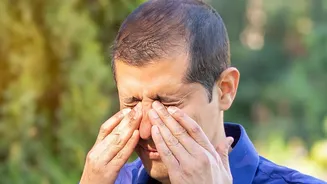
The body's response to these irritants is often immediate and uncomfortable. It's important to recognise the signs that your eyes are struggling with the air quality. Common symptoms include a persistent burning or stinging sensation, redness, and a gritty feeling, as if sand is stuck in your eye. You might also experience excessive watering, as the eyes try to flush out the pollutants. Itching is a frequent complaint, often leading to rubbing, which can further damage the eye's surface. In some cases, people report sensitivity to light and intermittent blurry vision. These symptoms are not just minor discomforts; they are signs of inflammation and distress.
Your Daily Eye Protection Toolkit
While you can't change the air outside, you can take simple, effective steps to shield your eyes. The first rule is to create a physical barrier. Wear well-fitting, wrap-around sunglasses whenever you are outdoors to block pollutants from directly entering your eyes. Indoors, consider using an air purifier with a HEPA filter to reduce particulate matter. Stay well-hydrated to support healthy tear production from within. Most importantly, avoid rubbing your eyes. Instead, use preservative-free lubricating eye drops, also known as artificial tears, to help flush out irritants and restore moisture. If you wear contact lenses, consider switching to glasses on days with particularly poor AQI, as lenses can trap particles against the eye's surface.
When to Consult an Eye Specialist
Home care can manage mild irritation, but certain symptoms warrant a visit to an ophthalmologist. If you experience significant eye pain rather than just irritation, a thick or coloured discharge, or persistent blurred vision that doesn't clear with blinking, it's time to seek professional medical advice. Similarly, if over-the-counter lubricating drops don't provide relief after a few days, or if redness and discomfort worsen, a doctor can diagnose the specific issue, which could range from a severe allergic reaction to an infection. Self-medicating with other types of eye drops, especially those containing steroids, can be dangerous and lead to serious complications. A proper diagnosis is key to safe and effective treatment.