



The Science of Pet Personalities
It’s a question many prospective pet owners ask: which animal is the right fit? While personal preference plays a huge role, scientific studies increasingly show that the personalities of pets and their owners often align. Research has consistently found
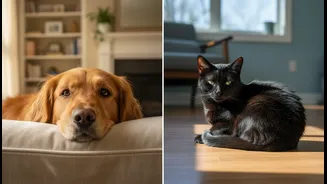
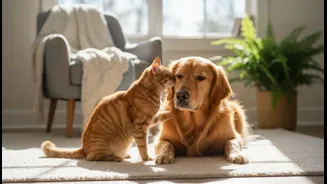
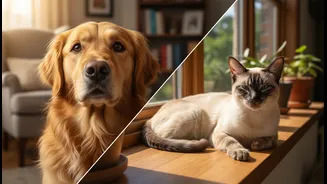
distinct personality differences between people who identify as dog lovers and those who prefer cats. One study, for example, noted that dog owners tend to be more extroverted, agreeable, and conscientious. In contrast, cat people often score higher on openness to experience—a trait linked with creativity, curiosity, and unconventional thinking. This suggests we may subconsciously choose animals that either mirror our own nature or complement our lifestyle. Another study from Michigan State University found that pets, especially dogs, can even mirror their owners' emotional states and habits over time. This happens through a mix of nature and nurture, as animals are highly intuitive and adapt to our energy levels, routines, and emotional cues.
The Canine Connection: Predictability and Presence
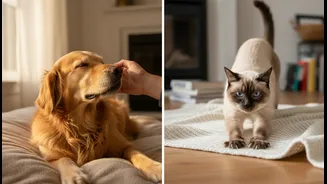
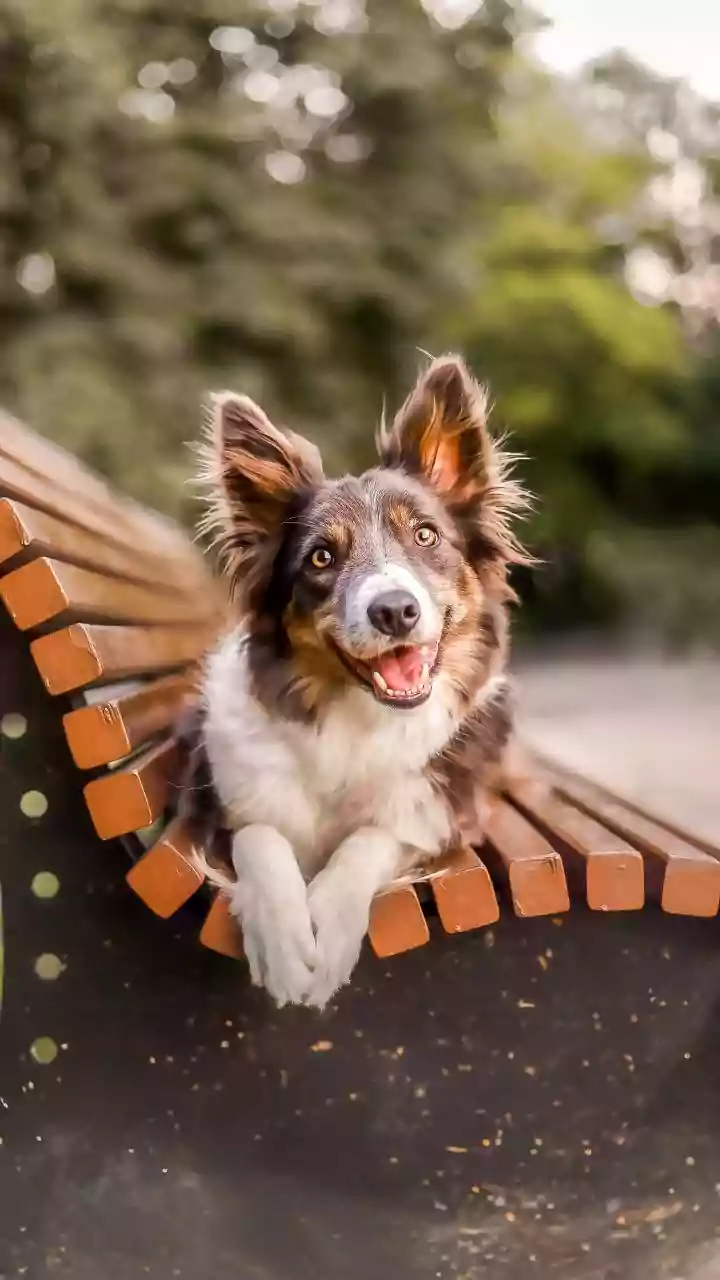
A dog’s emotional routine often revolves around social interaction, structure, and enthusiastic engagement. Studies indicate that dog ownership is associated with higher levels of self-esteem and agreeableness. This might be because the very nature of dog ownership encourages certain behaviours. Daily walks, trips to the park, and training sessions create a predictable schedule and foster social bonds, not just with the pet but with other people, too. This routine can be incredibly beneficial for individuals who thrive on structure and external motivation. Research has found that dog owners tend to be more active and rule-following, mirroring the dutiful and energetic nature of their canine companions. The constant, overt affection and enthusiasm from a dog can provide a steady stream of positive feedback and emotional support, which many owners find deeply rewarding. The emotional closeness in the human-dog relationship is often reported to be particularly strong.
The Feline Factor: Independence and Affection
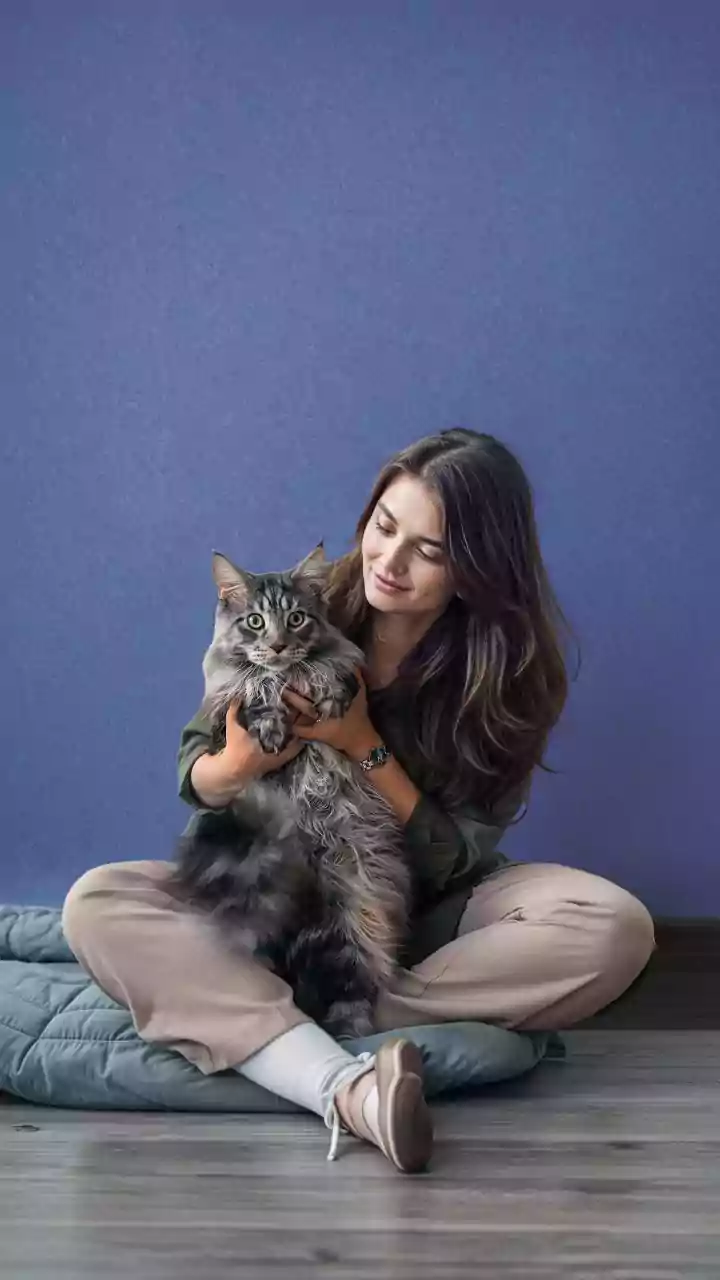
Cats, on the other hand, offer a different kind of emotional routine. Known for their independence, they provide a more subtle, low-pressure form of companionship. This often appeals to individuals who are more introverted, sensitive, and value their autonomy. Studies suggest that cat owners tend to be more open-minded and non-conformist, traits that align with the independent and often enigmatic nature of felines. While the emotional bond may feel different, it is no less significant. A recent Dutch study found that interacting with both cats and dogs provides a momentary mood boost for owners. However, the study also noted a curious difference when it came to stress. While dogs had a neutral effect during their owners' stressful moments, some interactions with cats were linked to an increase in negative feelings. Researchers speculate this may be because the passive nature of a cat's affection might not meet an owner's needs during a moment of high stress.
What Is Your Emotional Fingerprint?
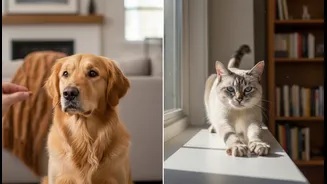
Understanding these differences can help you determine which pet might better suit your emotional landscape. Consider what you truly need from a companion animal. Do you seek a partner who will get you out of the house, encourage a structured routine, and offer boundless, energetic affection? If you thrive on social interaction and external motivation, the evidence suggests a dog might be an excellent match. Or, do you prefer a companion who provides quiet comfort without demanding constant attention? If you are more self-contained, introverted, and appreciate a pet who respects your space while offering affection on its own terms, a cat could be the more harmonious choice. The choice isn't about which animal is 'better,' but about which animal's natural behaviour patterns and emotional expressions best align with your own personality and lifestyle needs.
Beyond the Stereotypes
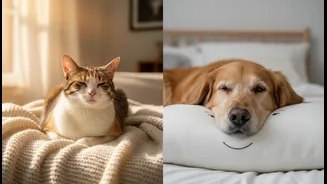
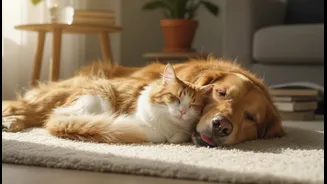
Of course, these findings are based on generalisations, and it's crucial to remember that every animal is an individual. A cat can be as boisterously playful as any dog, and a dog can be as calm and independent as any cat. Breed, upbringing, and individual history play a massive role in shaping an animal's personality. The most important factor is the 'match' between a specific owner and a specific pet. Experts suggest that instead of focusing solely on the species, prospective owners should spend time with individual animals at a shelter or breeder. This allows you to observe their unique personality and see if it truly connects with yours. Ultimately, the strongest human-animal bonds are formed when there is a mutual understanding and a complementary fit between two distinct personalities, regardless of species.